RRT Logo
  • HOME
  • ABOUT US
  • PROPERTIES FOR SALE
  • SELL YOUR HOME
  • SEARCH BY LOCATION
    • Cape Coral
    • Fort Myers
    • Fort Myers Beach
    • North Fort Myers
    • Lehigh Acres
    • Sanibel
    • Alva
    • Labelle
    • Estero
    • Matlacha
  • (239) 242-2000
CONTACT US
RRT Logo
RRT Logo
  • HOME
  • ABOUT US
  • PROPERTIES FOR SALE
  • SELL YOUR HOME
  • SEARCH BY LOCATION
    • Cape Coral
    • Fort Myers
    • Fort Myers Beach
    • North Fort Myers
    • Lehigh Acres
    • Sanibel
    • Alva
    • Labelle
    • Estero
    • Matlacha
  • (239) 242-2000
CONTACT US
RRT Logo
  • HOME
  • ABOUT US
  • PROPERTIES FOR SALE
  • SELL YOUR HOME
  • SEARCH BY LOCATION
    • Cape Coral
    • Fort Myers
    • Fort Myers Beach
    • North Fort Myers
    • Lehigh Acres
    • Sanibel
    • Alva
    • Labelle
    • Estero
    • Matlacha
  • (239) 242-2000
CONTACT US
Author: Penny
HomePennyPage 2
69wB1J96-md
Uncategorized
October 7, 2026by Penny

Hyper-Local Cape Coral & Fort Myers Real Estate Insights: Inventory Just Rose for the First Time in Six Months, and the Atlantic May Finish Hurricane-Free

Wednesday, October 7, 2026

Southwest Florida’s real estate market is entering its pre-season window, and the first sign of the seasonal shift has arrived: inventory increased for the first time in nearly six months.

Regional active listings rose from 14,168 in September to approximately 15,300 in early October: an increase of 1,132 homes, or 8.0%, in one month. Snowbirds are beginning to return, sellers are preparing for seasonal buyer traffic, and the market is moving into a new phase.

At the same time, forecasters are increasingly discussing the possibility that the 2026 Atlantic hurricane season could finish with zero hurricanes, something that has not happened since 1914. That would be welcome news, but it does not eliminate the need for careful insurance, flood-zone, and property-condition due diligence.

Here is what today’s numbers mean for Cape Coral, Fort Myers, and nearby Southwest Florida communities.

Regional inventory finally turns upward

The 2026 inventory pattern tells an important story:

Month Active listings
January 18,873
February 20,908
March 20,266
April 20,299
May 19,177
June 17,559
July 16,324
August 15,346
September 14,168
October 15,300

The October increase is significant because listings had declined steadily from the February peak through September. Even after this rebound, however, inventory remains:

  • 18.9% below January 2026
  • 26.8% below the February 2026 peak
  • Well below the level seen earlier in the year

In other words, this looks more like a seasonal reset than a sudden oversupply event.

Sellers are still adjusting to buyer expectations. There were 1,184 price reductions across the region during the most recent seven-day period, a reminder that buyers continue to compare price, condition, location, insurance costs, and monthly payment obligations, not simply the size of a discount.

Year-to-date sales also remain below recent annual totals. Southwest Florida recorded 26,809 homes sold so far in 2026, compared with 30,655 in all of 2025 and 30,171 in all of 2024.

Lee County currently has approximately 5.3 months of supply, with homes averaging 89 days on market. Collier County has approximately 5.5 months of supply, with an average of 102 days on market.

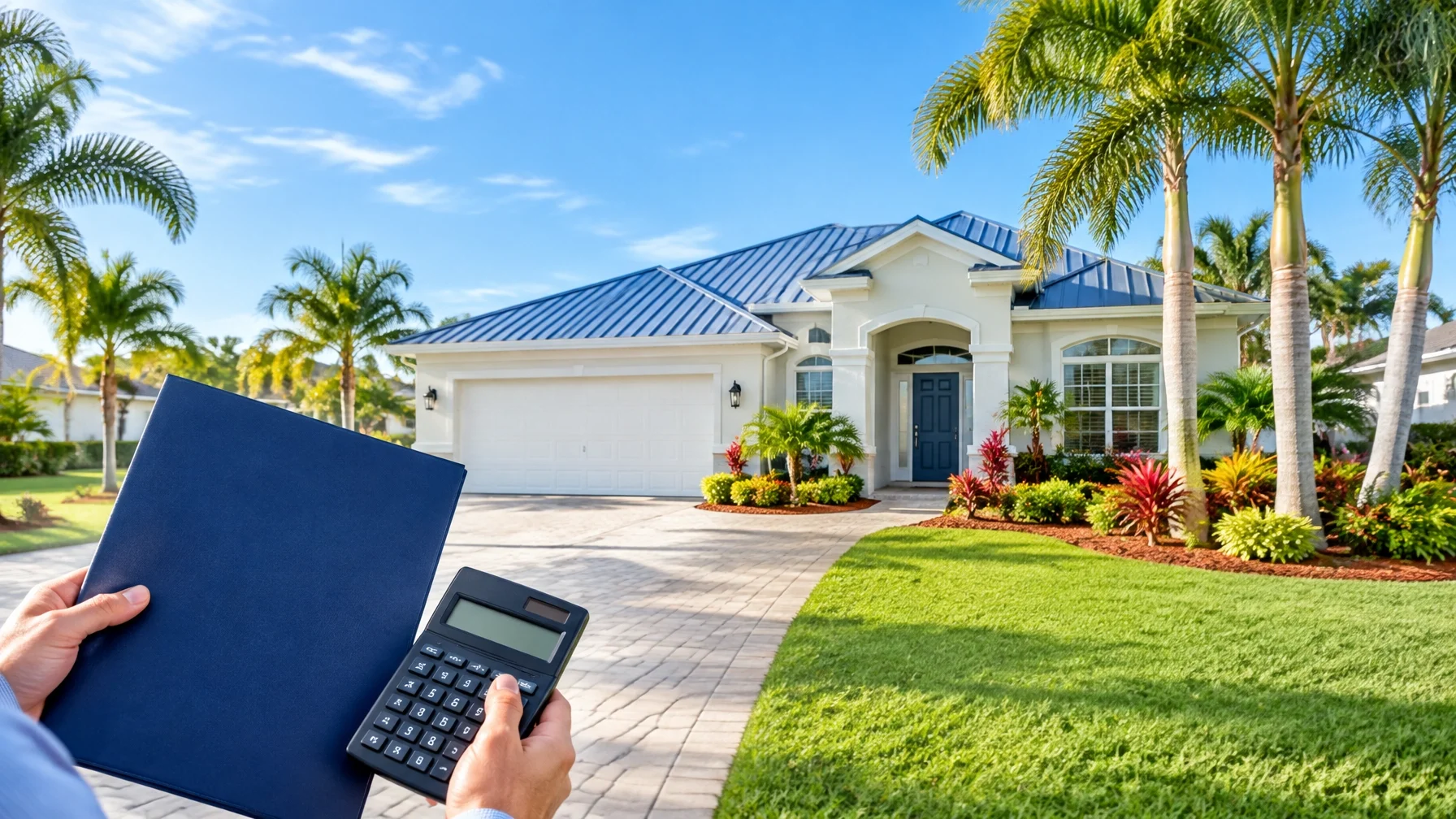
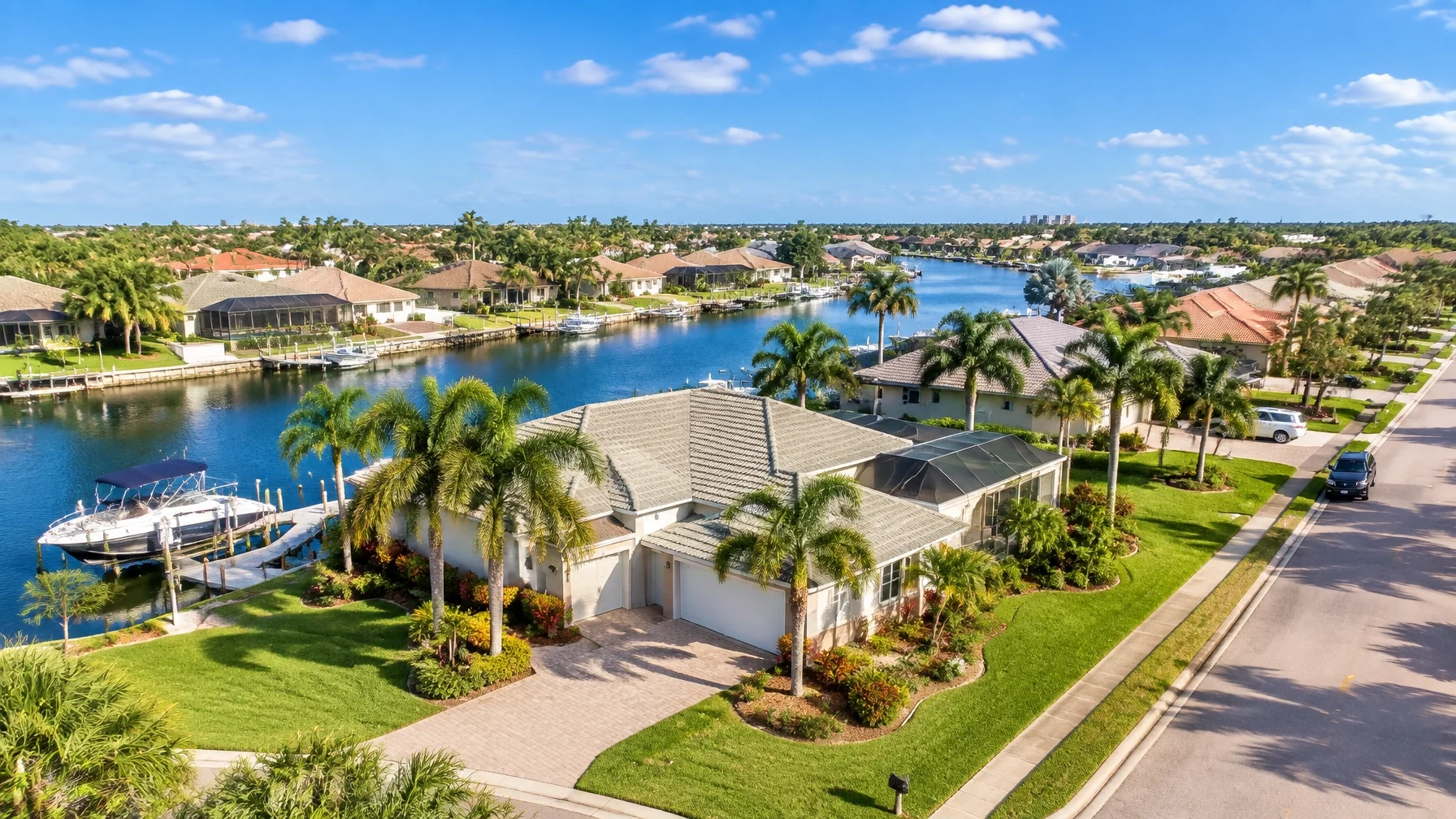
Cape Coral home with a for-sale sign and tropical landscaping, illustrating renewed buyer choice

What the inventory increase means for buyers

For buyers, the October increase creates more choice and potentially more negotiating room: particularly among homes that have been sitting on the market, properties requiring updates, and listings where the seller’s price does not reflect current buyer expectations.

But buyers should not assume that inventory will continue rising indefinitely. The increase came from a relatively low base, and seasonal demand could absorb some of those new listings as visitors and snowbirds return.

The best value is rarely the property with the largest price reduction. A better comparison considers:

  • Purchase price and likely resale value
  • Roof age and remaining useful life
  • Flood-zone designation and elevation
  • Wind mitigation features
  • Homeowners, flood, and wind insurance availability and cost
  • Condo or HOA fees
  • Property taxes and maintenance
  • Location within the local market
  • Condition and potential renovation expense

Buyers researching Cape Coral real estate agents or realtors in Cape Coral can begin with the RE/MAX Realty Team property search, then narrow the options by neighborhood, property type, price, bedrooms, and other criteria.

What sellers should do before seasonal traffic increases

The returning seasonal buyer pool can create fresh opportunities for sellers, but competition is also returning. With more than 15,000 regional listings and average marketing times measured in months, not days, pricing correctly from the beginning matters.

Presentation and marketing also carry more weight in a comparison-driven market. Sellers should focus on:

  1. Accurate pricing based on recent comparable sales
  2. Professional photography and strong online presentation
  3. Addressing visible maintenance issues before listing
  4. Clearly documenting roof, windows, storm protection, and upgrades
  5. Explaining insurance history and property-specific costs
  6. Making the home easy to show

The current market rewards preparation. A property that is clean, well-presented, realistically priced, and easy to understand can stand apart from listings that require buyers to make too many assumptions.

The RE/MAX Realty Team home-selling resource provides a starting point for owners considering a sale in Cape Coral, Fort Myers, or the surrounding area.

Cape Coral and Fort Myers remain highly segmented

Headline medians are useful for understanding direction, but they do not tell the whole story.

In Fort Myers, September’s median sale price was approximately $340,000, down 1.3% year over year. The median price was about $197 per square foot, with 2,460 active listings, or 18.6% fewer than a year earlier. Fort Myers had approximately 5.3 months of supply, while the median time to contract was 55 days, compared with 79 days a year earlier. Sellers received a median 96.0% of the most recent asking price. Pending sales were up 1.6% year over year, remaining above the prior year for seven consecutive months.

Cape Coral’s latest reported median sale price was approximately $367,000, up 3.4% year over year. August reference data showed a median of $389,950, 442 closed sales, 2,162 active listings, 4.9 months of supply, and a median 42 days to contract. Sellers received approximately 92.8% of the original list price in that dataset.

Different data providers place Cape Coral medians between roughly $349,000 and $367,000, depending on property type, geography, timing, and methodology. That variation is normal. A property-specific analysis is more useful than relying on one headline number.

The Cape Coral-Fort Myers metro recorded approximately 91 median days on market in September, down from 95 in August and 94 in July, according to Realtor.com core metrics.

Cape Coral itself should also be viewed through its four broad quadrants:

  • Northwest Cape: Newer construction, larger lots in some areas, and ongoing infrastructure differences.
  • Northeast Cape: A mix of older and newer homes, with access and development patterns varying by neighborhood.
  • Southwest Cape: Popular for established neighborhoods, canal access, amenities, and proximity to the Gulf.
  • Southeast Cape: Known for mature neighborhoods, boating access in many areas, and proximity to central Cape Coral and Fort Myers.

Canal access, seawall condition, boating route, utilities, flood exposure, age of construction, and insurance can make two homes with similar square footage perform very differently.

Fort Myers, Fort Myers Beach, Sanibel, and Cape Coral are separate micro-markets, not interchangeable neighborhoods. Fort Myers Beach had a median sale price around $459,500 and approximately 22 months of overall inventory, while Sanibel had roughly 12.9 months of supply. Island markets require especially careful review of condo and HOA fees, building condition, flood exposure, insurance, and high-end property variability.

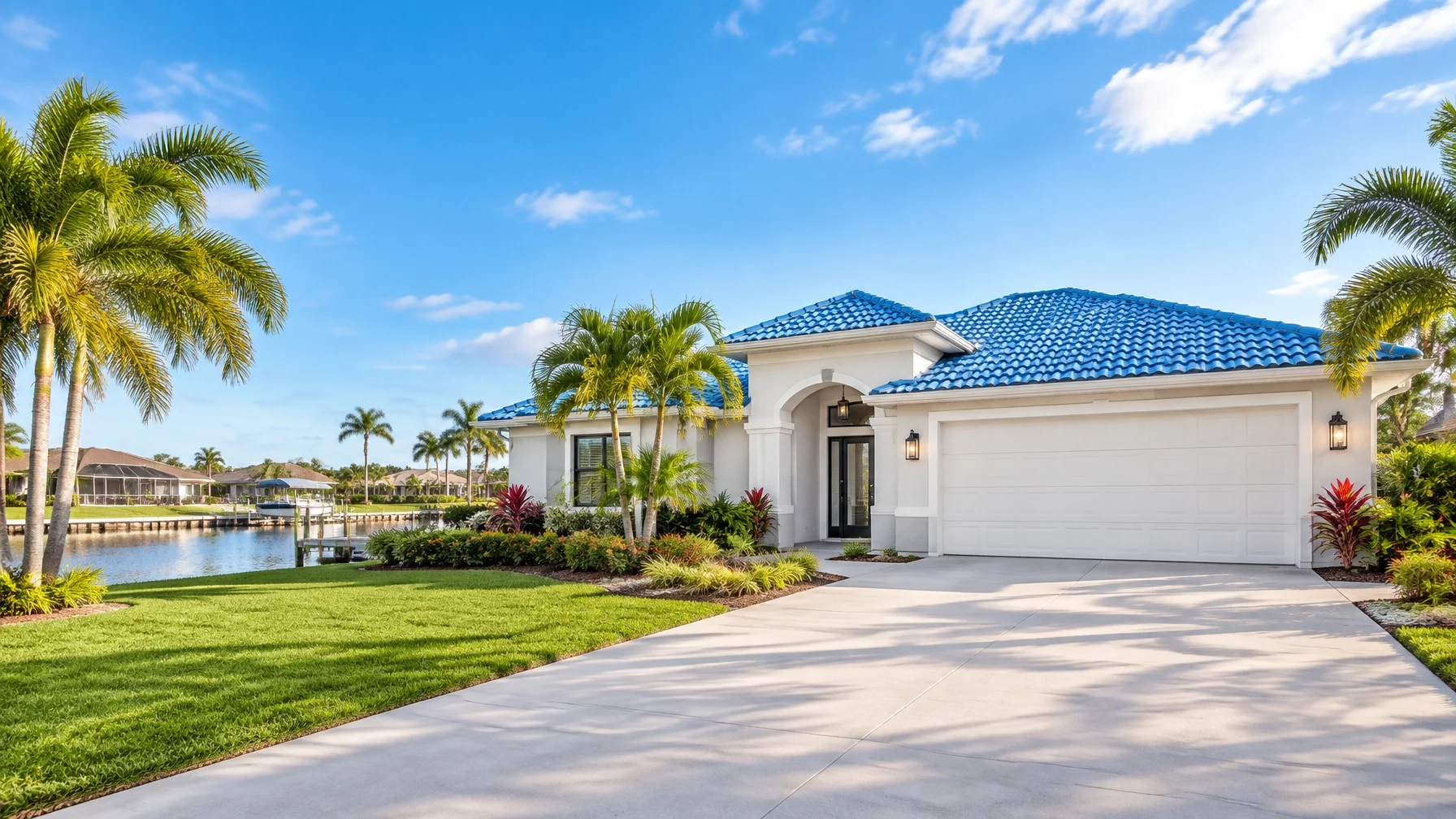
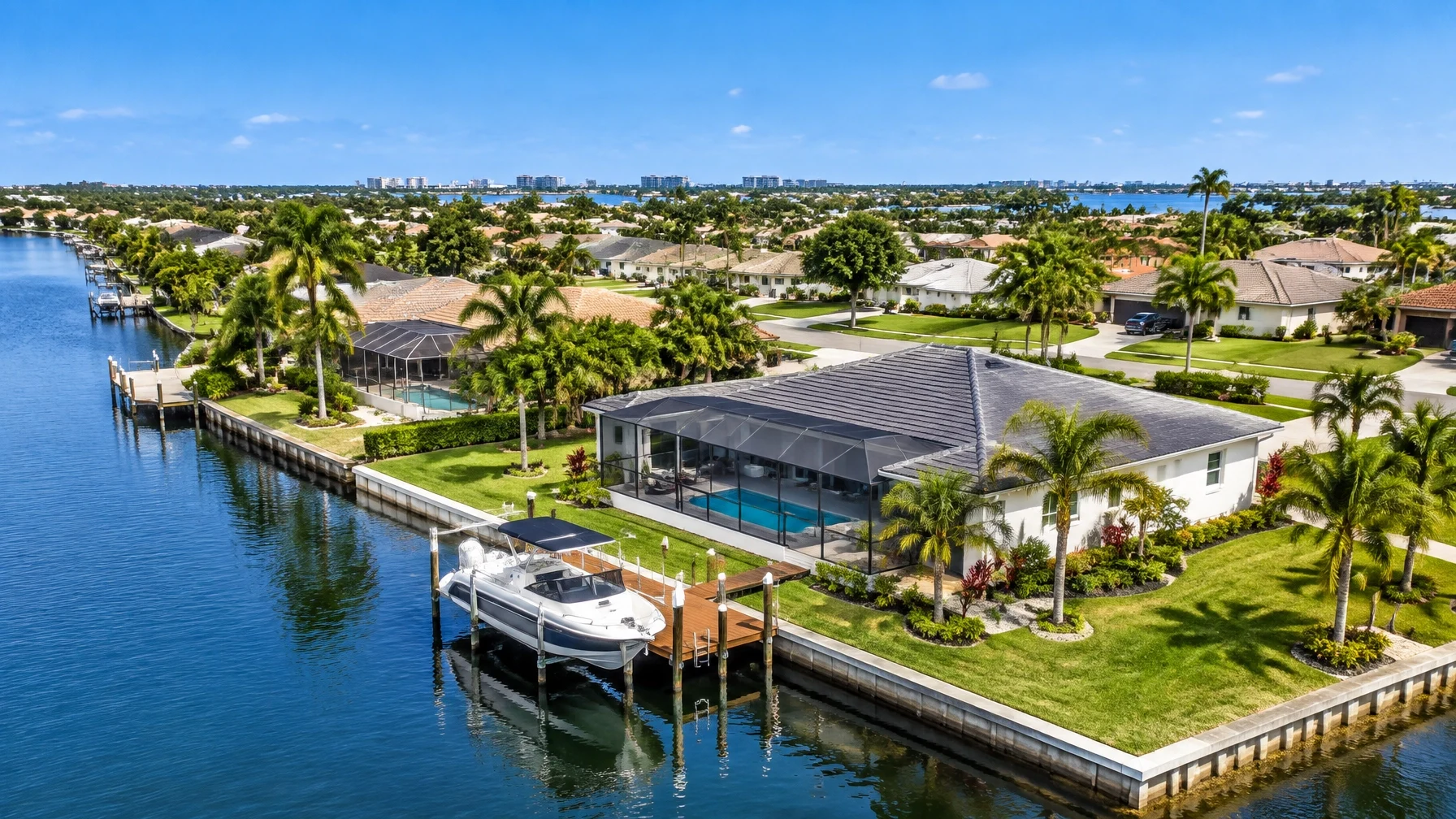
Canal-front Southwest Florida home representing the importance of flood, wind, and waterfront due diligence

A potentially quiet hurricane season, but do not let your guard down

AccuWeather and other forecasters report that the 2026 Atlantic hurricane season is increasingly likely to finish with zero hurricanes. September, historically the peak month, passed without a hurricane, and strengthening “Super El Niño” conditions are suppressing tropical development despite very warm Atlantic sea-surface temperatures.

The Atlantic hurricane season continues through November 30. A quiet season would be encouraging for insurance markets and homeowner peace of mind, but it does not change a property’s:

  • FEMA flood-zone designation
  • Wind exposure
  • Elevation requirements
  • Roof or structure condition
  • Insurance availability
  • Insurance premium

For any waterfront property or home in a flood-prone area, buyers should review FEMA flood maps, elevation information, wind mitigation reports, roof age, prior claims, flood insurance requirements, and current insurance quotes. The National Hurricane Center remains an important source for official tropical-weather information.

Southwest Florida economy: mixed signals

The local economy is producing a mixed but important backdrop for real estate. According to the FGCU Regional Economic Research Institute:

  • Airport passenger activity was down 2% in July 2026 compared with July 2025.
  • Tourist tax revenue increased 14%.
  • Taxable sales declined 19%.
  • Unemployment improved to 4.8% in August, down 0.1 percentage point from July.
  • Single-family building permits declined 8% year over year in August.
  • Single-family home sales increased 2%.
  • Residential active listings declined 17% year over year.
  • August median single-family prices rose 3% in Lee County, rose 1% in Charlotte County, and declined 1% in Collier County.
  • Florida consumer sentiment increased 0.3 points in September.

These figures support a market that is active but selective, with buyers and sellers responding differently depending on price range, property type, and location.

What to watch next

Several upcoming developments could add clarity:

  • Final Cape Coral September statistics are expected around October 10.
  • The North 3 Utilities Extension Project public hearing and final vote are scheduled for November 2.
  • Amendment 3 is on the November 3 ballot.
  • The market will show whether seasonal demand absorbs the October increase in listings.
  • The Atlantic will remain under observation through November 30.

Local guidance for your next move

Whether you are buying a first home, selling a waterfront property, relocating, or evaluating an investment, local context matters. RE/MAX Realty Team has more than 100 agents, two Southwest Florida offices, and more than 14 years as the region’s #1 producing brokerage.

Our team serves Cape Coral, Fort Myers, Fort Myers Beach, Sanibel, and neighboring communities with local knowledge and personalized guidance. Contact RE/MAX Realty Team to discuss your goals.

Summary takeaway

Southwest Florida inventory rose for the first time in nearly six months, giving buyers more selection while reminding sellers that pricing and presentation remain essential. Cape Coral and Fort Myers are not moving as one market, and property-specific factors (including insurance, flood exposure, condition, and total monthly cost) matter more than a single regional statistic. The potentially hurricane-free season is welcome news, but standard storm and insurance due diligence remains essential.

Frequently asked questions

Is Southwest Florida becoming a buyer’s market?

The region is more balanced and negotiable than during a tight seller’s market, with approximately 5.3 to 5.5 months of supply in Lee and Collier counties. However, conditions vary significantly by neighborhood, price range, and property type.

Is Cape Coral inventory increasing?

Regional inventory increased in October, but Cape Coral-specific results vary by data provider and property segment. Buyers should evaluate current listings, recent comparable sales, days on market, and local supply for the exact area they are considering.

Does a quiet hurricane season lower homeowners insurance costs?

Not automatically. Insurance pricing depends on many factors, including location, flood zone, roof age, wind mitigation, prior claims, insurer availability, and broader market conditions.

What should buyers check before purchasing a SWFL waterfront home?

Review the flood zone, elevation, seawall and dock condition, canal access, roof age, wind mitigation, prior storm damage, flood and wind insurance costs, and any HOA or condominium requirements.

This article is for general informational purposes only and is not tax, legal, insurance, or financial advice. Market conditions and insurance requirements can change. Consult the appropriate licensed professionals before making a real estate or financial decision.
Read More
VqK3hGAvWcl
Uncategorized
October 6, 2026by Penny

Hyper-Local Cape Coral & Fort Myers Real Estate Insights: The North Cape Utility Assessment and a 7.28% Mortgage Rate, What Buyers, Sellers, and Lot Owners Need to Know This October

October is typically when Southwest Florida’s real estate market begins to change pace. The heat breaks, seasonal residents start returning, and buyer activity builds ahead of the January-through-April peak.

This year, however, one local issue is taking center stage in north Cape Coral: the North 3 Utilities Extension Project (UEP) and its proposed assessments for owners of properties currently relying on wells and septic systems.

At the same time, mortgage rates have moved higher. Freddie Mac’s national average 30-year fixed rate reached 7.28% on October 1, 2026, adding another layer to the affordability conversation.

Here is what buyers, sellers, and vacant-lot owners need to know now.

North 3 UEP: The numbers behind Cape Coral’s biggest local money story

In late September, Cape Coral City Council voted 5-3 to move forward with the North 3 utility extension assessments, with the assessment area divided by Burnt Store Road.

The North 3 project covers roughly three square miles in northwest Cape Coral, bounded generally by:

  • Burnt Store Road to the east
  • Bonefish Canal to the south
  • The Spreader Waterway to the west
  • Kismet Parkway to the north

The City’s North 3 UEP project page indicates that construction is expected to begin by the end of 2026 and continue for approximately two years.

Proposed assessment amounts

The assessment is based on an equivalent parcel, or EP. One EP represents approximately 10,000 square feet of land. The City reports that 93.5% of affected parcels equal one or two EPs, although larger parcels may carry a higher total assessment.

The current figures are:

  • East of Burnt Store Road: approximately $35,264 per EP
  • West of Burnt Store Road: approximately $41,029 per EP

The west-side figure includes an optional road improvement estimated at $5,765. The total North 3 program is expected to cost roughly $384 million.

These are not the only costs owners should plan for. Connecting an existing home to the new system may also involve:

  • Approximately $3,000 to $5,000 in plumbing work
  • A septic abandonment permit of about $100
  • A water meter of approximately $325
  • A deposit of approximately $225

In other words, a North 3 property may carry a future obligation well above the headline assessment once connection work is included.

Homeowner reviewing a Cape Coral utility assessment and property documents

Important North 3 dates for property owners

The next several weeks matter:

  • October 19, 2026: Homeowner information meeting
  • October 20 and October 29: Bids open for two additional North 3 utility contracts
  • November 2, 2026: Final vote and public hearing
  • December 2026: Construction is expected to begin

Owners should use the City’s future utilities extension lookup tool to check whether a property is included and to review available parcel information.

The City also tentatively set the operating millage rate at 5.1471 mills for the new fiscal year that began October 1. This is separate from the UEP assessment, but it is part of the broader property-tax and ownership-cost discussion.

This article is for general information only. Buyers and sellers should consult the City, their lender, insurance professional, tax adviser, and attorney about questions specific to a property or transaction.

What the assessment means for buyers

For buyers searching north Cape Coral, the most important takeaway is simple: utility costs need to be part of the price conversation before an offer is written, not discovered at closing.

A home that appears attractively priced may have a significant future assessment, connection expense, or payoff balance. That does not automatically make it a bad purchase. It does mean the buyer needs a complete picture of the property’s total cost.

Before making an offer, buyers should:

  • Confirm the parcel’s utility-extension area and equivalent-parcel count.
  • Check the City’s assessment information for existing liens, balances, or payoff figures.
  • Ask whether the seller has prepaid, financed, or otherwise addressed the assessment.
  • Discuss how the future utility work may affect insurance, financing, permitting, and resale.
  • Review flood information through the FEMA Map Service Center.
  • Compare the property with homes in other Cape Coral quadrants that already have different utility statuses.

Cape Coral is not one uniform market. The northeast, northwest, southeast, and southwest quadrants can differ significantly in utilities, canal access, flood exposure, lot characteristics, age of construction, and buyer demand. A local comparison must account for those differences.

What the assessment means for sellers and lot owners

Sellers should not wait for a buyer’s agent to raise the UEP issue. Clear disclosure and accurate documentation can prevent surprises and make negotiations more productive.

For a vacant lot, the assessment may materially change the lot’s carrying cost and its appeal to builders. For an improved property, buyers may want to understand both the assessment and the cost of connecting the home.

A seller’s preparation checklist:

  • Pull the parcel record from the Lee County Property Appraiser.
  • Check the City’s North 3 lookup tool and save a copy of the available information.
  • Confirm the equivalent-parcel count.
  • Ask the City or closing professional about current assessment status and payoff information.
  • Gather septic, well, plumbing, permit, and prior improvement records.
  • Price the property using comparable homes with similar utility obligations.
  • Be prepared to explain the assessment plainly in the listing and during negotiations.

The goal is not to create fear. It is to avoid treating two homes as identical when one has a large future infrastructure obligation and the other does not.

Couple walking a sunny north Cape Coral homesite

Mortgage rates add another affordability hurdle

The utility assessment is a local issue, but buyers are also dealing with a national financing environment.

According to Freddie Mac’s Primary Mortgage Market Survey, the 30-year fixed mortgage averaged 7.28% on October 1, 2026. That compares with 6.71% one month earlier and 6.34% one year earlier.

On a $380,000 home with 20% down, principal and interest would be approximately:

  • $2,080 per month at 7.28%
  • $1,964 per month at 6.71%

That difference is about $116 per month, before taxes, insurance, HOA fees, utilities, and any UEP-related costs.

For buyers, this makes monthly-payment planning more useful than focusing only on the purchase price. For sellers, it reinforces the importance of accurate pricing and understanding how buyers are evaluating affordability.

October market context: more balanced, but not standing still

The latest data show a Southwest Florida market that is becoming more active without returning to the frenzy of earlier years.

In Fort Myers, September 2026 figures included:

  • Median sale price of $340,000, down 1.3% year over year
  • Price per square foot of $197
  • 2,460 active listings, the lowest level of 2026 and down 18.6% year over year
  • 5.3 months of supply
  • Median days on market of 55, compared with 79 a year earlier
  • Sellers receiving a median 96.0% of the most recent asking price
  • Pending sales up 1.6% year over year, above the prior year for seven consecutive months

For Cape Coral, the latest published RPCRA market statistics for August reported:

  • Median sale price of $389,950, up 6.1% year over year
  • 442 closed sales
  • 2,162 active listings, down 20.6% year over year
  • 4.9 months of supply
  • Median of 42 days to contract
  • Sellers receiving 92.8% of original list price

September Cape Coral figures are expected around October 10. Other data providers place Cape Coral medians between approximately $349,000 and $367,000, depending on the property type, geography, and methodology. That variation is normal; it is why a property-specific analysis matters more than one broad median.

Competitive inventory is estimated at approximately 3.6 months, with a pending-to-active ratio near 26.1%. Correctly priced homes are attracting attention, but buyers still have room to compare options and negotiate.

Hurricane season continues through November 30. September passed without a named storm affecting Southwest Florida, but buyers should continue reviewing insurance availability, flood zones, wind mitigation, construction standards, and property condition, especially when evaluating SWFL waterfront homes.

Sunny Cape Coral canal neighborhood as seasonal activity begins to build

Why October may be the strategic month to act

October is often the turning point of the second half of the year. Buyer traffic starts to build as seasonal residents return, but activity remains well below the peak winter and spring months.

That creates opportunities on both sides:

  • Buyers may find motivated sellers, more manageable competition, and time to investigate assessments and insurance.
  • Sellers can reach returning seasonal buyers before the busiest part of the market arrives.
  • Lot owners can address UEP information now instead of letting uncertainty follow the property into negotiations.

Whether you are searching for a Cape Coral canal home, a Fort Myers residence, a rental property, or a north Cape homesite, the details behind the listing matter.

Work with local Cape Coral and Fort Myers professionals

Local knowledge is especially important when utility status, assessments, flood exposure, insurance, and financing all affect a property’s value.

RE/MAX Realty Team has more than 100 agents, two Southwest Florida offices, and a track record as the #1 producing brokerage in the region for more than 14 years. Our team serves Cape Coral, Fort Myers, Sanibel, Fort Myers Beach, and surrounding communities.

Explore the latest homes for sale, learn more about selling your home, or contact RE/MAX Realty Team for a property-specific conversation.

Summary takeaway

The North 3 UEP assessment is now a central part of the north Cape Coral real estate conversation. The proposed cost is approximately $35,264 per equivalent parcel east of Burnt Store Road and $41,029 west of it, before connection-related expenses. With the October 19 information meeting and November 2 public hearing approaching, buyers, sellers, and lot owners should verify each parcel’s status now.

At the same time, a 7.28% mortgage rate means monthly affordability deserves careful attention. October offers a useful window to investigate the numbers, price realistically, and make decisions before Southwest Florida’s seasonal market reaches its winter peak.

Frequently asked questions

Does every Cape Coral property have the same utility assessment?

No. Utility status varies by location and project area. The four Cape Coral quadrants also have different infrastructure histories and service conditions. Use the City’s property lookup tool for a parcel-specific answer.

Can a buyer negotiate the assessment with the seller?

Possibly. The assessment and any related payoff or connection obligations can become part of the purchase-price and contract negotiations. Buyers should review the details with their real estate agent, lender, closing professional, and advisers.

Are the North 3 assessment amounts final?

The amounts are moving toward final approval. The public hearing and final vote are scheduled for November 2, 2026. Owners should monitor official City updates.

Are the Cape Coral and Fort Myers market statistics directly comparable?

Not always. Data can vary by geography, property type, source, and methodology. Cape Coral single-family figures, all-property figures, and broader Lee County statistics may tell different stories.

Is October a good time to buy or sell in Southwest Florida?

October can be strategically favorable because seasonal activity is beginning to return while the market is generally less crowded than it is from January through April. The right timing still depends on the property, pricing, financing, insurance, and the owner’s goals.

Read More
PiNbRpUnAlT
Uncategorized
October 5, 2026by Penny

Hyper-Local Cape Coral & Fort Myers Real Estate Insights: Amendment 3 on the November 3 Ballot. What Higher Homestead Exemptions Could Mean for Lee County Buyers, Sellers, and Movers

Daily Southwest Florida real estate insight for Monday, October 5, 2026

Florida homeowners and prospective buyers have an important date on the calendar: November 3, 2026. Voters will decide whether to approve Amendment 3, a proposed constitutional amendment that would increase the homestead exemption applied to non-school property taxes.

The proposal could affect monthly ownership costs, relocation timing, and decisions for existing Florida homeowners considering a move from Cape Coral to Fort Myers, or anywhere else in Lee County. It is also relevant to out-of-state buyers planning a retirement move, second home, or permanent relocation to Southwest Florida.

This is a neutral overview of the proposal and its potential real estate implications. It is not a recommendation for or against Amendment 3, nor is it tax or legal advice.

What Amendment 3 would do

If approved by at least 60% of voters, Amendment 3 would increase the homestead exemption for qualifying primary residences as follows:

  • 2027: Up to $150,000 for non-school taxes
  • 2028 and afterward: Up to $250,000 for non-school taxes, with future inflation adjustments

The proposal would take effect on January 1, 2027.

The most important limitation is that the higher exemption applies only to non-school taxes. It would not change the portion of the homestead exemption used for school district taxes. County, municipal, and certain special-district taxes could be affected, while school millage would continue under its existing rules.

The proposal also expands Save Our Homes portability, allowing homeowners to transfer accumulated savings from Florida’s homestead assessment cap to a new homestead, subject to the amendment’s higher maximum and applicable filing requirements. For current Florida homeowners, that portability may become an important factor when comparing a move within Lee County.

Homeowners should still confirm their individual circumstances with the Lee County Property Appraiser and a qualified tax professional.

The December 31, 2026 timing issue for relocating buyers

For people who already live in Florida, the increased exemption could be available when they qualify for a homestead after the amendment takes effect.

For people establishing Florida residency after December 31, 2026, the proposal generally creates a waiting period. New Florida residents would receive the existing homestead exemption when they first qualify, while the increased exemption would generally begin in the fifth year of homestead eligibility, subject to the constitutional language and any applicable local rules.

That makes the end of 2026 a meaningful planning date for out-of-state buyers.

A buyer who is already prepared to move, close on a primary residence, and establish Florida residency before year-end may have a different eligibility timeline than someone who waits until 2027. However, closing by itself may not be enough. Homestead eligibility typically involves residency, ownership, application deadlines, and supporting documentation.

Anyone considering a year-end move should verify:

  1. Whether the property will be their permanent Florida residence.
  2. When Florida residency will officially be established.
  3. Whether the homestead application is filed by the required deadline.
  4. How the five-year provision applies to their specific situation.
  5. Whether their existing state, tax, or residency documents create additional considerations.

For retirees and relocating households, this is one of the most actionable details in Amendment 3. The decision to move in late 2026 versus early 2027 could affect the timing of future tax savings.

What the potential savings could look like

Consider a hypothetical Lee County homesteaded property with an assessed value of $400,000. For illustration only, assume the applicable non-school millage rate is 8.0 mills.

Under the current approximate $50,000 non-school exemption:

  • Non-school taxable value: $350,000
  • Illustrative non-school tax: $2,800

If the exemption increases to $150,000 in 2027:

  • Non-school taxable value: $250,000
  • Illustrative non-school tax: $2,000
  • Estimated annual difference: $800
  • Estimated monthly difference: About $67

If the exemption reaches $250,000 in 2028:

  • Non-school taxable value: $150,000
  • Illustrative non-school tax: $1,200
  • Estimated annual difference compared with the current exemption: $1,600
  • Estimated monthly difference: About $133

These figures are examples, not tax quotes. Actual savings will depend on the property’s assessed value, local millage rates, municipal and special-district taxes, the homeowner’s other exemptions, and the final implementation of the amendment. School taxes are excluded from this illustration.

A buyer should also remember that property taxes are only one part of the ownership budget. Insurance, flood coverage, utilities, maintenance, HOA or condominium fees, and financing costs can have an equally important effect on affordability.

Why portability matters for Cape Coral and Fort Myers homeowners

Florida’s Save Our Homes program limits annual increases in the assessed value of a qualifying homestead. When a homeowner moves, portability can allow some of that accumulated assessment benefit to transfer to the new Florida homestead.

That matters in Lee County because homeowners may want to change location without giving up years of accumulated tax savings.

For example, an existing homeowner might be considering:

  • Moving from a larger Cape Coral property to a smaller Fort Myers home.
  • Trading a mainland home for a condominium near the river or Gulf.
  • Moving from Fort Myers to Cape Coral for more space, a pool, or canal access.
  • Selling a longtime residence and purchasing a lower-maintenance home in Estero or Bonita Springs.
  • Moving closer to family, healthcare, beaches, or employment while remaining in Southwest Florida.

The proposed portability expansion could make the tax comparison between the current home and the next home more important. A property with a higher purchase price is not necessarily the more expensive option after considering the transferred assessment benefit, exemptions, insurance, and other recurring costs.

Portability is not automatic. Homeowners generally need to meet eligibility rules and file the appropriate application within the required time frame. Before making a move, ask the property appraiser for a written explanation of how the existing Save Our Homes benefit and the proposed portability rules could apply.

Couple reviewing moving paperwork in a bright Southwest Florida living room

Early October 2026 Lee County market context

The tax amendment arrives while buyers and sellers are navigating a market with more selection and longer decision windows than the rapid-growth years.

Early October market indicators for Lee County include:

  • Median sale price of approximately $379,025, down about 1.8% year over year in one countywide measure.
  • Approximately 9,197 active listings.
  • Typical time to contract of about 60 days.
  • Sellers receiving approximately 93.2% of the original asking price.
  • Countywide supply reported near 1.3 months, while Cape Coral-specific reports show roughly 4.3 to 4.8 months of supply.

Data varies depending on the source, property type, geographic boundaries, and whether the report measures closed sales, active inventory, or available supply.

Cape Coral median sale prices are being reported in the $349,000 to $380,000 range, depending on the data provider and the mix of homes included. Fort Myers is closer to approximately $345,000, with typical time to contract around 64 days in one market report.

For buyers, that can mean more time to compare homes, inspect properties, evaluate insurance, and understand tax implications. For sellers, pricing and presentation remain important because buyers are comparing multiple options. This is especially true for SWFL waterfront homes, where seawalls, docks, flood zones, insurance, and maintenance can materially affect value.

The current market also reinforces why a personalized cape coral market update 2026 should include more than median price. A home’s flood zone, age, roof, insurance history, assessment, tax status, and waterfront improvements may all affect the right offer or listing strategy.

Insurance and flood-map considerations

Last week’s insurance update remains relevant, but it does not need to overshadow today’s tax discussion. Citizens’ 2026 homeowners multiperil rates decreased by an average of 8.8%, while wind-only rates decreased by 5.5%, effective July 1, 2026. Even so, the average Lee County homeowners premium remains roughly $3,576 per year, and flood insurance is separate, with the Lee County NFIP median near $1,757 per year.

There is also a FEMA map change to watch. Revisions affecting six panels in unincorporated Lee County near the Mullock Creek floodway are scheduled to take effect on March 2, 2027. The affected panels are:

  • 12071C0576
  • 12071C0577
  • 12071C0578
  • 12071C0579
  • 12071C0581
  • 12071C0583

Properties newly mapped into a Special Flood Hazard Area may face mandatory flood insurance requirements when financed with a federally backed mortgage. Flood-zone changes can also affect permitting, repairs, renovations, elevation requirements, and future resale considerations.

Property owners and buyers should check the Lee County flood information page and the FEMA Map Service Center. Ask the insurance agent, lender, surveyor, and local floodplain administrator to review the property’s current and future status. A general online map view should not replace property-specific verification.

Homeowner reviewing flood maps and elevation documents near a sunny Southwest Florida window

Final-quarter checklist for buyers and relocating homeowners

Before making an offer or planning a late-2026 move:

  • Confirm whether the home will qualify as your Florida homestead.
  • Review the Amendment 3 residency timing rules with the Lee County Property Appraiser.
  • Ask how Save Our Homes portability may apply to your current Florida homestead.
  • Obtain an insurance quote for homeowners, wind, and flood coverage before the inspection period ends.
  • Check the property’s FEMA flood zone and whether it is near an affected map panel.
  • Review the roof age, seawall, dock, elevation certificate, permits, and prior storm repairs.
  • Budget for taxes, insurance, utilities, maintenance, HOA fees, and financing, not just the purchase price.
  • If moving from out of state, document the date you establish Florida residency.
  • Have your real estate agent and closing professional coordinate the timing of the purchase and homestead filing.

Final-quarter checklist for sellers and snowbirds

For homeowners preparing to sell before or during snowbird season:

  • Price against current comparable sales, not only last year’s high-water marks.
  • Gather recent tax bills, insurance declarations, flood information, permits, and improvement records.
  • Explain any homestead or portability considerations to your listing agent.
  • Prepare for buyer questions about insurance premiums and flood zones.
  • Highlight practical features such as newer roofs, storm protection, generators, seawalls, docks, and elevation improvements.
  • Plan showing access carefully if you are a seasonal resident.
  • If you are selling and buying another Florida home, discuss the timing of portability applications.
  • Consider whether a pre-listing inspection would reduce surprises during negotiations.

RE/MAX Realty Team helps buyers, sellers, investors, retirees, and second-home owners evaluate the full picture. With more than 100 agents and two offices, the brokerage serves Cape Coral, Fort Myers, Sanibel, Fort Myers Beach, Estero, Bonita Springs, and surrounding Lee County communities. The company has been the #1 producing brokerage in the region for more than 14 years, with local resources for everything from primary residences to waterfront and investment properties.

Explore homes for sale in Southwest Florida, learn more about selling your home, or contact RE/MAX Realty Team to discuss your goals.

Frequently asked questions

Does Amendment 3 eliminate all Florida property taxes on a homesteaded home?

No. It would increase the homestead exemption for non-school taxes only. School taxes and any taxable value remaining after the exemption would still apply.

Would a new Florida resident in 2027 receive the full increased exemption immediately?

Generally, no. Under the proposed rules, someone who was not a Florida resident by December 31, 2026, would generally receive the existing homestead exemption first. The increased exemption would generally begin in the fifth year of homestead eligibility, subject to the amendment’s language and applicable rules.

Can I transfer my Save Our Homes benefit when moving from Cape Coral to Fort Myers?

Florida portability rules may allow an eligible homeowner to transfer accumulated Save Our Homes savings to a new Florida homestead. Amendment 3 would expand portability under its proposed framework. Because deadlines and eligibility matter, confirm the details with the property appraiser before listing or purchasing.

Will the Amendment 3 savings cover homeowners insurance or flood insurance?

No. The exemption concerns property taxes. Homeowners insurance, wind coverage, flood insurance, deductibles, and other ownership costs remain separate.

Do the March 2027 FEMA map changes affect every Lee County property?

No. The revision applies to six flood-map panels in unincorporated Lee County near the Mullock Creek floodway. Owners should check the specific parcel through Lee County and the FEMA Map Service Center.

The takeaway for Lee County homeowners and movers

Amendment 3 could create meaningful non-school property tax savings for qualifying homesteads, especially once the proposed exemption reaches $250,000 in 2028. It may also make portability more relevant for existing Florida homeowners deciding whether to move within Cape Coral, Fort Myers, or another Lee County community.

For out-of-state buyers, the most important planning detail is the December 31, 2026 residency cutoff. Buyers considering a year-end relocation should verify the relationship between closing, Florida residency, homestead eligibility, and the five-year rule before making assumptions.

At the same time, buyers and sellers should keep the larger ownership picture in view: current market conditions, insurance, flood exposure, property condition, and resale potential. In Southwest Florida real estate, the best decision is usually the one that accounts for both today’s purchase and the ongoing cost of owning the home.

Read More
xETnteEQtMr
Uncategorized
October 3, 2026by Penny

Hyper-Local Cape Coral & Fort Myers Real Estate Insights: Insurance Relief Meets a Balanced Fall Market. What It Means for Your Bottom Line

October 3, 2026

For buyers and sellers in Cape Coral, Fort Myers, and throughout Lee County, the fall market is creating an important conversation: Florida’s insurance environment is improving, but insurance remains a major part of the cost of owning a home.

That distinction matters.

Lower premiums can improve a buyer’s monthly budget and help a property qualify for financing or personal affordability targets. At the same time, flood insurance, roof condition, elevation, and wind-mitigation features can still create significant differences between two homes with similar sale prices.

Meanwhile, the Lee County market is neither overheated nor stagnant. Prices are slightly lower than a year ago, buyers have more room to evaluate properties, and sellers still need to price realistically. October may be one of the most strategic windows of the year before winter and snowbird demand return.

Florida insurance relief is real, but not the whole story

Citizens Property Insurance approved meaningful 2026 rate reductions:

  • Homeowners multiperil policies: 8.8% average decrease
  • Wind-only policies: 5.5% average decrease
  • Citizens personal-lines policyholders: at least a 2% reduction
  • Effective July 1, 2026, for new policies and at renewal for existing policies

You can review the details in the Citizens 2026 rate announcement.

The broader Florida market has also shown signs of improvement. Regulators reported that average insurance premiums fell in 51 of Florida’s 67 counties during 2026, and the Florida Office of Insurance Regulation approved additional homeowners rate cuts through September.

For Lee County homeowners, however, the bill is still substantial. The average annual homeowners premium remains roughly $3,576, compared with a statewide average of approximately $3,675. That works out to nearly $298 per month before adding flood insurance.

In other words, rate relief helps, but it does not make insurance a minor expense.

What an 8.8% reduction can mean for a buyer’s monthly budget

Consider a simplified example:

  • Current homeowners premium: $3,576 per year
  • Monthly equivalent: $298
  • Approximate 8.8% reduction: $315 per year
  • Monthly savings: approximately $26

Twenty-six dollars per month may not sound dramatic by itself. But it can affect a buyer’s overall housing budget, especially when combined with other ownership costs. It could help cover part of a utility bill, maintenance reserve, or the difference between feeling comfortable with a property and stretching too far.

Now add flood insurance:

  • Homeowners insurance: approximately $3,576 per year
  • Flood insurance: approximately $1,757 per year, using a Lee County NFIP median as a planning reference
  • Combined annual insurance: approximately $5,333
  • Combined monthly insurance cost: approximately $444

After an 8.8% reduction to the homeowners portion, the combined monthly cost would fall by about $26-to roughly $418 per month, assuming the flood premium remains unchanged.

That last point is essential: Citizens or homeowners insurance relief does not reduce flood insurance premiums. Flood coverage is separate and must be evaluated independently.

Actual costs vary by carrier, property, deductible, coverage limits, claims history, construction, roof age, elevation, and flood risk. Buyers should obtain property-specific quotes before making decisions.

Flood insurance is where property differences become especially visible

Cape Coral residential street with a nearby canal illustrating how water, elevation, and flood exposure can influence insurance costs

Flood insurance can vary dramatically across Southwest Florida.

Planning figures for Lee County show a median NFIP premium of about $1,757 per year. Cape Coral ZIP-code medians may range from approximately $1,975 to $2,591, while Fort Myers Beach averages can approach $4,950 per year.

Why such a wide spread?

Elevation

A home’s elevation relative to the expected flood level can strongly influence risk and pricing. Two properties on nearby streets may have different insurance costs if one sits higher, has a raised foundation, or includes flood-resistant construction features.

Flood zone

Flood zones also matter. Properties in an AE zone are generally subject to a higher flood-risk classification and may have a Base Flood Elevation requirement. Properties in an X zone may have lower mapped risk, although “lower risk” does not mean “no risk.”

Flood maps, lender requirements, coverage limits, deductibles, and private flood policies can all affect the final quote.

Distance to water

Canals, rivers, bays, the Gulf, and barrier-island locations can all influence exposure. This is one reason a Fort Myers Beach property may have a dramatically different flood premium from an inland home in Fort Myers or Cape Coral.

The practical lesson is simple: do not estimate insurance based on the listing price or a nearby property. Get a quote for the specific address.

Wind mitigation can improve protection and reduce cost

Florida’s My Safe Florida Home program continues to offer free wind-mitigation inspections and grants of up to $10,000 for eligible improvements.

The program’s three-step approach is straightforward:

  1. Inspect the home for wind-resistant features.
  2. Strengthen the roof, openings, connections, or other vulnerable areas.
  3. Save by submitting updated documentation to the insurance carrier.

A wind-mitigation inspection can identify features such as:

  • Roof-to-wall connections
  • Roof-deck attachment
  • Secondary water resistance
  • Impact-resistant windows and doors
  • Reinforced garage doors
  • Storm shutters and other opening protection

The completed inspection form can help an insurer apply available wind discounts. Improvements may provide additional protection and potentially unlock further savings, although the amount depends on the carrier and policy.

Southwest Florida homeowner reviewing a wind-mitigation inspection with a licensed inspector

For buyers, a current wind-mitigation report is valuable documentation. For sellers, obtaining one before listing can remove uncertainty and make the property easier for a buyer and insurance agent to evaluate.

Lee County’s fall market: balanced, but not passive

As of early October, Lee County’s market presents a mixed but useful picture:

  • Median sale price: approximately $379,025
  • Year-over-year change: down about 1.8%
  • Active listings: approximately 9,197
  • Typical time to contract: about 60 days
  • Sellers capturing approximately 93.2% of original asking price

One countywide measure shows approximately 1.3 months of supply, while Cape Coral-specific reports show closer to 4.3 to 4.8 months. Those numbers are not necessarily contradictory; they reflect different geographies and calculation methods.

The practical interpretation is that buyers have more opportunity to compare homes and negotiate than they did in the peak market. But well-priced properties with favorable insurance characteristics can still attract attention quickly.

Early autumn also brought the first expansion in listing volume in several months. That creates a strategic window:

  • Buyers can shop before winter competition peaks.
  • Sellers can reach early seasonal demand without waiting for the busiest part of the snowbird season.
  • Both sides have time to verify insurance, inspections, and property documents carefully.

October is often a quieter month than the winter season, but quiet does not mean inactive. It can be an especially productive time for prepared buyers.

Buyer checklist: verify these items before you waive protections

Before committing to a Cape Coral, Fort Myers, or surrounding Lee County property, request:

  • A property-specific homeowners insurance quote
  • A separate flood insurance quote
  • The flood zone designation, including whether the property is in AE, X, or another zone
  • Elevation information or an elevation certificate, when available
  • A four-point inspection, particularly for older homes
  • Roof age, permit history, and remaining useful life
  • A current wind-mitigation inspection report
  • Prior claims history, when available
  • Current policy declarations pages, if the seller is willing to provide them
  • Information about deductibles, especially hurricane and wind deductibles

Do not assume a lower sale price compensates for a higher insurance bill. A home that is $10,000 less expensive but costs several hundred dollars more per month to insure may not be the better financial choice.

Seller checklist: make the home easier to insure

Sellers can improve buyer confidence by preparing insurance information before the property goes on the market.

Consider:

  • Ordering a current wind-mitigation report
  • Providing roof age, permits, warranties, and repair records
  • Sharing available claims history
  • Asking for preliminary homeowners and flood quotes
  • Documenting impact windows, shutters, roof upgrades, and storm-resistant features
  • Pricing with the market’s 93% sale-to-original-list reality in mind
  • Addressing obvious roof, water-intrusion, or electrical concerns before listing

A seller does not need to promise a specific insurance premium. The goal is transparency. Buyers are more comfortable when they can evaluate the true monthly cost early rather than discovering an insurance problem late in the transaction.

Local guidance for a changing Southwest Florida market

Insurance is now part of the real estate conversation from the first showing, not just a final step before closing. The right home is not simply the one with the best appearance or lowest list price. It is the property whose purchase price, insurance, flood exposure, condition, and long-term ownership costs fit the buyer’s plan.

RE/MAX Realty Team serves Cape Coral, Fort Myers, Sanibel, Fort Myers Beach, and communities throughout Lee County and surrounding Southwest Florida. With more than 100 agents, two offices, personalized service, and a record as the region’s #1 producing brokerage for more than 14 years, our team helps buyers and sellers connect market data with practical decisions.

You can search Southwest Florida properties, learn about selling, or contact RE/MAX Realty Team for guidance specific to your property and goals.

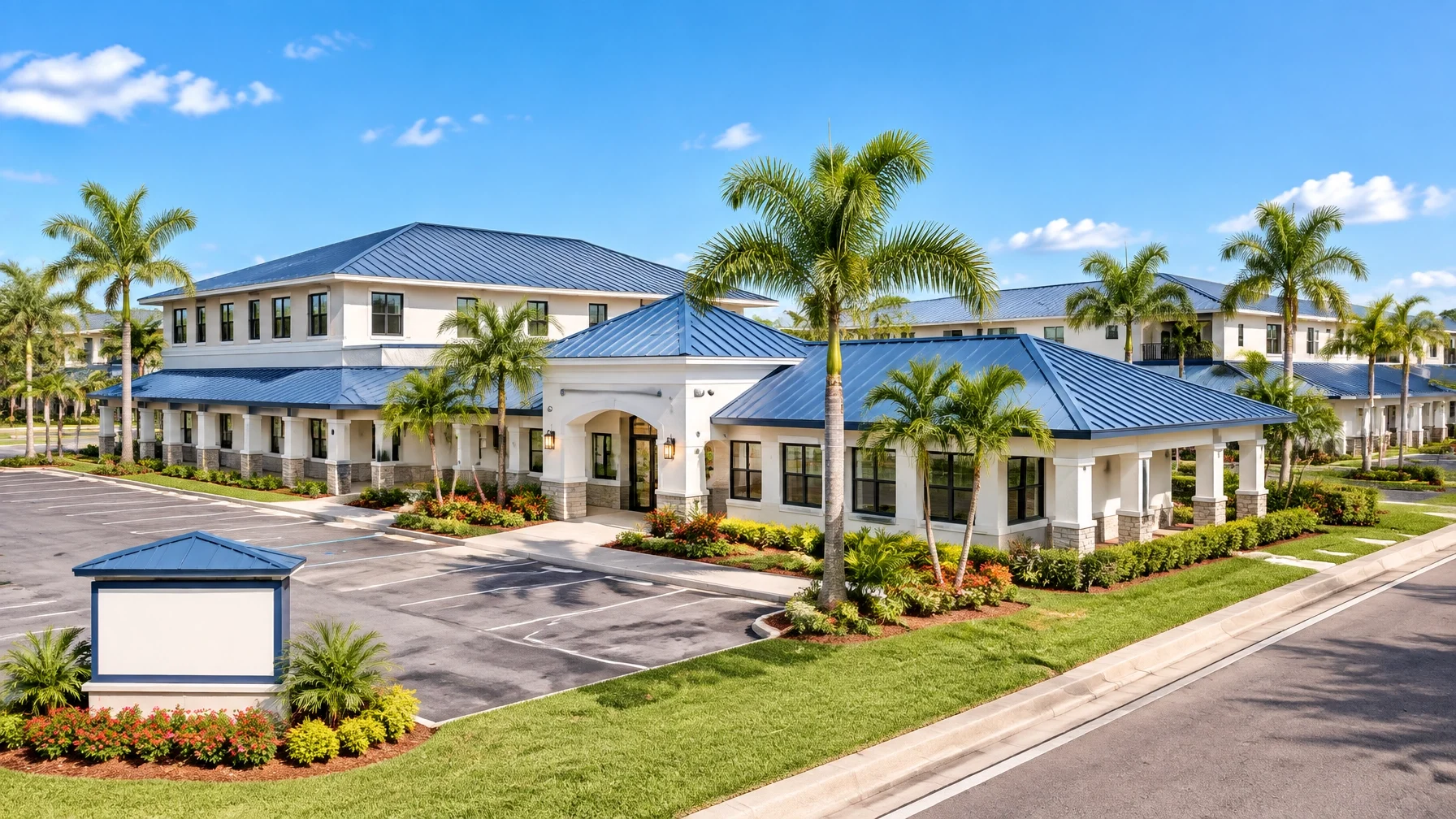
RE/MAX Realty Team office serving clients throughout Southwest Florida

The takeaway

Florida’s 2026 insurance rate reductions improve the ownership equation, but they do not eliminate the need for careful planning. A lower homeowners premium may save a buyer approximately $26 per month in a typical Lee County example, while flood insurance can add hundreds more depending on location, elevation, and flood zone.

For buyers, October offers a quiet-but-strategic opportunity to shop before winter demand intensifies. Provided insurance quotes and inspections are part of the decision from the beginning.

For sellers, the winning strategy is preparation: document wind mitigation, disclose relevant property information, and price for the market buyers are actually navigating. In today’s Lee County market, transparency and realistic pricing can be just as valuable as a fresh coat of paint.

Read More
Pga7hIHubel
Uncategorized
October 2, 2026by Penny

Hyper-Local Cape Coral & Fort Myers Real Estate Insights: October 2026. Why Fall Is the Most Underrated Season to Buy or Sell in SWFL

October 2, 2026

If you have been waiting for the “right” season to make a move in Southwest Florida, fall deserves a closer look.

October brings a meaningful shift to the Cape Coral and Fort Myers real estate market. Seasonal residents begin returning, buyer activity starts building, and the number of available homes remains elevated compared with the tighter conditions many buyers experienced a few years ago. At the same time, sellers who prepare correctly can benefit from listing before the full winter and spring rush creates even more competition.

That combination makes fall one of the most underrated windows of the year for buying, selling, or investing in Southwest Florida.

This Cape Coral market update 2026 is not about predicting one exact price point for every neighborhood. Real estate conditions can vary considerably between inland homes, Gulf-access properties, condos, gated communities, and beach-area housing. Instead, it is about understanding the seasonal pattern and how it affects your strategy today.

The October shift: seasonal buyers are coming back

Summer is typically quieter across Cape Coral, Fort Myers, Sanibel, and Fort Myers Beach. Many seasonal residents are away, families are focused on school schedules, and some sellers prefer to wait until buyer traffic improves.

October begins to change that rhythm.

Seasonal residents start returning to Southwest Florida, including buyers who have spent months researching neighborhoods, comparing prices, and deciding whether to rent or purchase. Some are looking for a second home or winter residence. Others have rented in the area for several seasons and are now ready to buy.

The result is not necessarily a sudden rush of buyers. It is more useful to think of October as the beginning of the serious pre-season:

  • Buyer traffic increases compared with late summer.
  • More listings begin entering the market.
  • Buyers are often more focused and financially prepared.
  • Competition is growing, but it is generally not at its winter peak.
  • Sellers have an opportunity to reach early seasonal buyers before the market becomes more crowded.

For buyers, this can be a particularly useful balance: more choices than summer, but potentially less competition than the heart of winter.

Inventory is high, but that does not mean every home is negotiable

One of the defining Fort Myers real estate trends in 2026 is the amount of choice available to buyers. Broader Cape Coral–Fort Myers market reports point to elevated supply, longer decision timelines, and a more deliberate negotiation environment than the rapid-growth years.

Current market reports differ depending on whether they measure active listings, closed sales, specific property types, or the broader metropolitan area. However, the overall direction is clear: buyers have more options, and sellers need to compete on price, condition, location, and presentation.

Fall is often when Southwest Florida inventory reaches one of its highest points of the year. New listings begin increasing in October and November, while homes that did not sell during the summer may still be available. For buyers, that creates a wider selection of:

  • Single-family homes in Cape Coral and Fort Myers
  • Condos and townhomes
  • Gulf-access and canal-front properties
  • Homes near beaches, golf courses, and downtown districts
  • Investment properties and rental opportunities

Still, “high inventory” is a broad-market statement. The best-located homes can feel much scarcer.

A dated inland home may have several comparable properties competing for attention. A renovated Gulf-access home with a desirable boating route, newer roof, appropriate insurance documentation, and a well-maintained seawall may attract attention quickly.

That is why buyers should not assume every seller will accept a large discount, and sellers should not assume every property will receive multiple offers.

Why autumn may be better for sellers than spring

Spring is often considered the traditional selling season. More people are shopping, families are making relocation decisions, and the market can feel active. But higher activity also brings more competition.

By spring, many homeowners have already decided to list. Buyers may be comparing a large number of similar properties at the same time. If your home is not priced and presented well, it can be easy for it to blend into the crowd.

An October listing offers a different advantage. You may be entering the market as seasonal buyers return, but before the full volume of winter and spring listings arrives.

For sellers in Cape Coral and Fort Myers, that can mean:

  1. Early access to motivated seasonal buyers
    Some buyers want to purchase before the winter season is fully underway.

  2. A chance to stand out before spring competition peaks
    Autumn buyers may have fewer directly comparable new listings to evaluate than they will later in the season.

  3. More useful feedback before the holidays
    If pricing, staging, or marketing needs adjustment, you still have time to respond before the busiest part of the season.

  4. Better positioning for waterfront demand
    Buyers looking for boating access, outdoor living, and second-home properties often begin their search as they return to the area.

That does not mean every home should be listed immediately. Pricing still needs to reflect recent comparable sales, insurance costs, property condition, and the specific submarket. The right cape coral real estate agents will look beyond a countywide average and help you understand how your home compares with nearby alternatives.

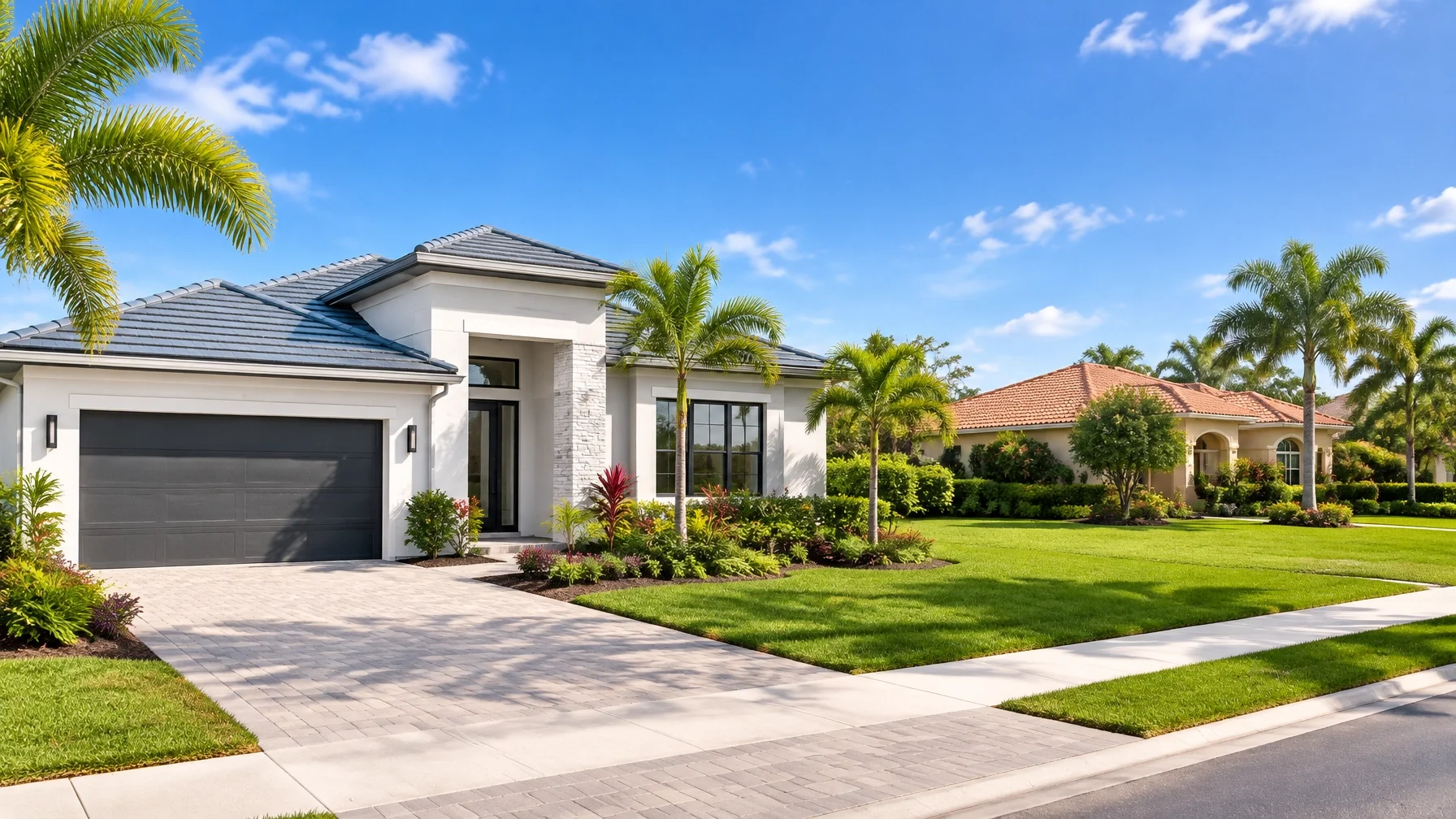
An inviting Fort Myers home prepared for an October real estate listing

What fall means for buyers in Cape Coral and Fort Myers

October can be a strong month to begin or restart a search, especially if you are prepared to act.

The key is to separate negotiation opportunities from properties that deserve a faster response. Homes that have been sitting for months may provide room to negotiate on price, closing costs, repairs, or furnishings. A well-priced, move-in-ready waterfront home may not offer the same flexibility.

Before touring properties, buyers should:

  • Obtain updated loan preapproval or confirm available cash.
  • Review estimated insurance, flood insurance, and wind coverage.
  • Decide which features are essential and which are negotiable.
  • Compare total monthly costs, not just the listing price.
  • Research flood zones, seawalls, docks, and canal access when relevant.
  • Be ready to move when the right property appears.

This is especially important for SWFL waterfront homes. A canal-front address can vary significantly in value depending on water depth, bridge clearance, boating route, seawall condition, dock configuration, and distance to open water.

A buyer who understands these details can make a stronger offer, and avoid overpaying for a property that does not fit their intended use.

You can begin exploring available homes through the SWFL property search, then work with a local professional to evaluate the properties that truly match your goals.

Waterfront and coastal submarkets remain their own conversation

Cape Coral waterfront homes, Fort Myers riverfront properties, Sanibel residences, and Fort Myers Beach condos do not always move in the same way as inland homes.

Waterfront properties continue to attract buyers who value lifestyle, boating, outdoor entertaining, and long-term ownership. Some buyers are purchasing with cash, while others are relocating from higher-cost markets and see Southwest Florida as an opportunity to improve their quality of life.

At the same time, buyers are more careful than they were several years ago. They are asking detailed questions about:

  • Property insurance and deductibles
  • Storm protection and construction history
  • Elevation and flood exposure
  • Seawalls, docks, lifts, and roofs
  • Condo reserves and association finances
  • Rental restrictions
  • Maintenance and ownership costs

This more careful approach is healthy. It does not eliminate opportunity, but it makes professional guidance more valuable.

Sanibel and Fort Myers Beach buyers may also be weighing rebuilding, renovation, rental, and storm-resilience considerations. In Cape Coral, canal access and boating characteristics can make one neighborhood notably different from another. In Fort Myers, proximity to the river, beaches, hospitals, downtown, and major employment corridors can influence both resale demand and rental appeal.

What investors should watch this fall

Investors may find attractive purchase opportunities in 2026, but the numbers need to be conservative.

Rental supply has increased in parts of the Fort Myers and Cape Coral area, and rent growth has softened in several segments. That means investors should not rely on optimistic rent projections or assume that a property will lease immediately at the highest asking price.

A sound fall investment review should include:

  • Realistic market rent based on current competing listings
  • Vacancy and turnover assumptions
  • Property insurance and flood coverage
  • HOA or condo fees
  • Property taxes and utilities
  • Repairs, maintenance, and management
  • Long-term resale appeal
  • Restrictions on annual, seasonal, or short-term rentals

Waterfront properties may offer stronger lifestyle and resale appeal, but they can also come with higher maintenance and insurance costs. The best investment is not always the property with the lowest purchase price. It is the one whose income, expenses, location, and future demand make sense together.

A Cape Coral waterfront property representing the fall investment opportunity

The local guidance difference

Searching online can show you what is available. It does not always explain why one property is priced differently from another, whether a listing has already had an adjustment, or how a specific neighborhood compares with nearby alternatives.

That is where experienced realtors Cape Coral buyers and sellers can benefit from hyper-local advice. A knowledgeable agent should be able to discuss the practical details behind the listing:

  • How long comparable homes are taking to sell
  • Which features are attracting showings
  • Whether a price is supported by recent sales
  • How waterfront access affects value
  • Where buyers currently have negotiating leverage
  • Which repairs or improvements are worth completing before listing

RE/MAX Realty Team serves Cape Coral, Fort Myers, Sanibel, Fort Myers Beach, and surrounding Southwest Florida communities. The company’s team of more than 100 real estate professionals combines local market knowledge with the resources needed for residential sales, purchases, rentals, and investments. You can learn more about the team or contact the office for guidance specific to your situation.

Practical takeaway: what to do next

If you are buying

  • Start your search now rather than waiting for the winter peak.
  • Get financing and insurance estimates updated.
  • Compare total ownership costs, especially for waterfront homes.
  • Use fall inventory to negotiate where the property supports it.
  • Move quickly when a well-priced, well-located home appears.

If you are selling

  • Review your property against current competing listings.
  • Consider an October launch before spring competition increases.
  • Complete high-impact repairs and improve curb appeal.
  • Price from current comparable sales, not yesterday’s peak.
  • Make waterfront features, upgrades, insurance information, and maintenance records easy for buyers to understand.

If you are investing

  • Underwrite conservative rents and realistic vacancy.
  • Account for insurance, maintenance, taxes, and management.
  • Focus on location and long-term demand, not just a low purchase price.
  • Have a local professional review the numbers and rental restrictions.

Fall is not a pause between summer and winter. In Cape Coral and Fort Myers, it is a strategic window: seasonal buyers are returning, inventory is offering meaningful choice, and sellers may be able to reach serious buyers before the market becomes more crowded. Whether you are searching for a primary residence, second home, rental property, or one of the area’s sought-after SWFL waterfront homes, October is a smart time to study the market and make a well-informed move.

Read More
hM5F4bSQWTP
Uncategorized
October 1, 2026by Penny

Hyper-Local Cape Coral & Fort Myers Real Estate Insights: Rents Are Falling and Vacancy Is Near 20%. What It Means for Buyers, Sellers, and Investors

October is bringing a notable shift to Southwest Florida’s housing market. The first wave of seasonal residents is returning, buyer traffic is beginning to build, and the weather is becoming more comfortable for home tours.

But the biggest change is happening in the rental market.

Fort Myers apartment vacancy is approaching 20%, currently estimated at 19.3%. Average asking rents are down approximately 3.6% year over year, with asking rents around $1,700 per month in one commonly cited market measure. FGCU’s rental index also shows Fort Myers and Cape Coral rents running roughly 10% below what historic growth would have predicted.

The trend extends across Southwest Florida:

  • Punta Gorda apartment vacancy: approximately 17.3%
  • Naples apartment vacancy: approximately 16.4%
  • Lee County median rent: around $2,000, down roughly 11% year over year

For renters, this creates more choice and negotiating power. For landlords and investors, it means underwriting assumptions need to be more conservative. For buyers and sellers, falling rents change the buy-versus-rent calculation and may affect whether a homeowner rents or sells.

Here is what the latest Cape Coral market update 2026 means locally.

Why Southwest Florida has so many available rentals

The current oversupply has roots in the period after Hurricane Ian.

Following the storm, Southwest Florida rents surged, with some properties reaching approximately $2,300 per month. That rapid increase signaled strong demand to developers. Thousands of new apartment units were planned and built across Fort Myers, Cape Coral, and surrounding communities.

Now those units are competing for tenants at the same time.

As new apartment communities lease up, older apartment buildings and private single-family landlords are competing for the same renters. Apartment complexes often have larger marketing budgets and can offer concessions such as waived application fees, reduced deposits, or a free month of rent.

Private landlords are responding in different ways. Some are reducing asking rents, while others are holding the advertised price steady but offering flexible lease terms, upgraded appliances, utilities, or move-in incentives.

This distinction matters. Asking rent may not tell the entire story. A $1,900 apartment with two months free on a 12-month lease has an effective monthly rent of approximately $1,583 before additional fees. In other words, landlords may be protecting the headline rent while discounting the actual cost of occupancy.

Cape Coral apartment community and private single-family rental home representing local rental competition

What falling rents mean for renters and investors

Renters have more leverage

Today’s rental market gives tenants more room to compare properties and negotiate. Renters may be able to ask about:

  • One or two months of free rent
  • Reduced security deposits
  • Waived application or administrative fees
  • Flexible lease start dates
  • Included parking, utilities, or storage
  • Pet-fee discounts
  • Shorter lease options

However, not every property offers the same deal. A newer building with amenities may have a higher advertised rent but a larger concession, while an older property may have a lower base rent and fewer incentives.

Renters should compare the total effective cost, not just the monthly asking price. Also review utility charges, amenity fees, parking, insurance requirements, renewal terms, and penalties for early termination.

Investors need to stress-test their numbers

For investors, a near-20% apartment vacancy rate is a warning against relying on peak post-Ian rents. A property that looked attractive at $2,300 per month may produce a very different return if market rent is closer to $1,900-or if the owner must offer a free month to secure a qualified tenant.

Investors should model:

  1. Lower rent than the original pro forma
  2. Longer lease-up periods
  3. Concessions and effective rent
  4. Repairs and turnover costs
  5. Property insurance, taxes, and HOA expenses
  6. A higher vacancy allowance than in recent years

Single-family rentals may benefit from privacy, garages, yards, and access to specific school zones or neighborhoods. But they are not insulated from competition. When apartment communities offer significant concessions, private landlords may need to price carefully and present their properties well.

These are important Fort Myers real estate trends for anyone considering a rental purchase, including investors looking at duplexes, townhomes, condos, and single-family homes.

Should sellers rent instead of sell?

Falling rents make the “I’ll just rent it” strategy less automatic.

Some homeowners consider renting because their property has not appreciated as quickly as expected, because they want to move before selling, or because they hope to hold the home for future appreciation. That can still be a reasonable strategy, but the property must work at today’s effective rent, not yesterday’s peak.

A homeowner should ask:

  • What is the realistic monthly rent today?
  • How much time could the property sit vacant?
  • Will I need to offer a concession?
  • What are the insurance, taxes, maintenance, and management costs?
  • How will a tenant affect the property’s condition?
  • Do local HOA rules permit leasing?
  • Am I prepared for an emergency repair from another city or state?

A home that rents for $2,000 per month does not produce $24,000 of usable annual income. Subtract vacancy, repairs, landscaping, management, insurance, taxes, utilities, and potential turnover costs.

At the same time, selling into a market with approximately 4.8 months of supply in Cape Coral and 5.2 months in Fort Myers requires a well-supported pricing strategy. Local MLS-based snapshots place the Cape Coral median sold price near $382,375, while Fort Myers is reported in a range of approximately $334,800 to $345,000, depending on the source, property type, and reporting period.

The right choice depends on equity, cash flow, timeline, and long-term goals, not simply on whether rents are rising or falling.

How the buy-versus-rent math has changed at 7.28%

The 30-year fixed mortgage rate reached 7.28% for the week ending October 1, its highest level in nearly three years. That rate changes the monthly payment calculation for buyers.

Consider a home priced around Cape Coral’s approximate $382,375 median. A buyer putting 20% down would finance roughly $305,900 before taxes, insurance, HOA dues, and other costs. At 7.28%, principal and interest alone would be approximately $2,080 per month.

The actual monthly housing cost would be higher after adding:

  • Homeowners insurance
  • Property taxes
  • Flood insurance, if applicable
  • HOA or condo fees
  • Maintenance and repairs
  • Utilities

That does not mean buying is a bad decision. It means buyers need to compare the complete cost of ownership with the complete cost of renting.

Renting may be attractive for someone who expects to move within a few years, is still learning the area, or wants flexibility while prices and mortgage rates remain elevated. Buying may make more sense for a long-term resident who values control, wants to build equity, or finds a property with a strong combination of price, condition, and location.

The calculation is especially different for SWFL waterfront homes, where insurance, seawall condition, dock improvements, flood exposure, and maintenance can materially affect the total cost.

A qualified lender can compare different down payments, rate options, and seller credits. A local real estate professional can also help compare available rentals with homes for sale in the same neighborhood.

Welcoming Cape Coral home near a canal illustrating the buy-versus-rent decision

October timing: a practical playbook for buyers and sellers

October is often a transition month in Southwest Florida.

The first seasonal residents are returning, the summer heat begins to ease, and more buyers start planning ahead of the traditional December-through-March activity period.

For buyers

October can be a useful month to:

  • Revisit neighborhoods before peak winter competition
  • Compare new construction with resale homes
  • Review rental concessions before committing to a purchase
  • Get fully underwritten or preapproved
  • Study flood zones, insurance costs, and utility assessments
  • Watch listings that have had price reductions
  • Tour properties before seasonal inventory becomes more competitive

Local development may also influence future housing choices. Cape Coral Grove, a reported $700 million mixed-use project along Pine Island Road, is scheduled to begin vertical construction in the second half of 2026. The project is expected to add future retail, dining, office, hotel, and multifamily components.

In Fort Myers, Midtown fieldhouse town halls are scheduled this month, giving residents and prospective buyers another opportunity to follow public investment and community planning in the area.

For sellers

Sellers should prepare for more buyer activity without assuming every home will receive multiple offers.

October is a good time to:

  • Review recent comparable sales
  • Correct deferred maintenance
  • Improve exterior presentation
  • Confirm insurance details and flood information
  • Price against current competition, not last year’s peak
  • Decide whether to sell now or pursue a rental strategy
  • Prepare for more showings as seasonal traffic increases

Cape Coral’s Affordable Housing Advisory Committee is also scheduled to address accessory dwelling units, expedited permitting, and impact fee deferrals on October 1. Final City Council action is required by December 31. These policy discussions could affect future housing supply and the feasibility of certain housing projects, but buyers and sellers should wait for final approvals before relying on them in a transaction.

October seasonal transition in a Cape Coral waterfront neighborhood

The takeaway for Cape Coral and Fort Myers

Southwest Florida’s rental market has flipped from scarcity to competition. Fort Myers apartment vacancy near 19.3%, falling rents, and substantial concessions show that renters have more leverage than they did after Hurricane Ian. Cape Coral and Fort Myers investors need realistic effective-rent assumptions, while homeowners considering renting instead of selling should calculate net cash flow carefully.

At the same time, mortgage rates near 7.28% have made the buy-versus-rent decision more sensitive to taxes, insurance, HOA fees, maintenance, and expected length of ownership.

October is the time to get prepared. Buyers can use the month to understand neighborhoods and financing before winter traffic builds. Sellers can position their properties before the seasonal market becomes more competitive.

Rental and vacancy figures are market-level estimates. Actual results can vary significantly by building, property type, condition, amenities, lease terms, and neighborhood. Median prices and months of supply also vary by data source and reporting period.

For help comparing a rental, sale, or investment opportunity, connect with the local cape coral real estate agents and realtors Cape Coral buyers and sellers trust.

Search Southwest Florida properties or contact RE/MAX Realty Team at 239-242-2000. Visit swflhomestoday.com to connect with local professionals serving Cape Coral, Fort Myers, Sanibel, Fort Myers Beach, and surrounding Southwest Florida communities.

Read More
oM5Yze6jROd
Uncategorized
October 1, 2026by Penny

Hyper-Local Cape Coral & Fort Myers Real Estate Insights: What Today’s Mortgage Rates and Closing Costs Really Mean for Your Cape Coral Budget

Daily market insight: September 30, 2026

The list price gets your attention, but the monthly payment and cash required at closing determine whether a home truly fits your budget.

That distinction matters in Lee County, where the market has become more balanced but financing and insurance costs still vary widely. Recent market data puts Cape Coral’s August median sale price near $382,375, with approximately 4.8 months of supply. Fort Myers was near $345,000, with about 5.2 months of supply and roughly 74 to 95 days on market, depending on the data set and property type. Across the broader Cape Coral–Fort Myers area, the median was approximately $380,000.

The region also had roughly 14,800 active listings, down about 20% year over year. In other words, buyers have more choices than they did in a highly competitive market, but the best question is still: What will this home cost me every month?

Mortgage rates: the starting point for your real budget

The latest published Freddie Mac Primary Mortgage Market Survey showed the national 30-year fixed-rate average at approximately 7.03% for the week ending September 24, 2026. Florida rate estimates have been closer to 6.9%, although actual quotes vary by credit score, loan type, down payment, debt-to-income ratio, and lender.

For planning purposes, the examples below use a rate range of approximately 6.9% to 7.1% on a 30-year fixed mortgage.

That range is only an illustration, not a loan quote.

Homebuyers reviewing mortgage numbers with a real estate professional

Typical Lee County buyer closing costs

A financed buyer in Cape Coral or Fort Myers should often plan for approximately 2% to 5% of the purchase price in closing costs, although the final amount depends heavily on the loan, property, negotiated credits, and prepaid items.

Here is what typically appears in a Lee County purchase:

  • Lender fees: Origination, underwriting, processing, credit report, appraisal, document preparation, and other lender charges.
  • Florida mortgage taxes: Florida generally charges documentary stamp tax on the mortgage note at $0.35 per $100 of the loan amount, plus a nonrecurring intangible tax of 0.2% of the loan amount. On a $300,000 loan, those two charges total approximately $1,650.
  • Title and settlement charges: The buyer usually pays for the lender’s title policy, while local custom often has the seller paying the owner’s title insurance, title search, and settlement charges. The contract controls.
  • Recording fees: Charges for recording the mortgage and other documents with the county.
  • Inspections and survey: General inspection, four-point or wind-mitigation inspection where appropriate, termite inspection, and survey if needed.
  • Prepaids and escrows: Initial deposits for property taxes, homeowners insurance, flood insurance if required, prepaid interest, and escrow reserves.
  • HOA or condominium fees: Estoppel certificates commonly range from approximately $250 to $500, while transfer, application, capital contribution, and setup fees vary by association.
  • CDD charges: If the property is in a community development district, current or future assessments may be prorated or disclosed at closing. Confirm whether a CDD obligation exists and how it will affect the annual tax bill.

Florida deed documentary stamp tax is generally $0.70 per $100 of consideration in Lee County. It is customarily paid by the seller, but the purchase contract can negotiate a different allocation. The Florida Department of Revenue provides the official tax rates.

Insurance and taxes can change the payment substantially

Your principal-and-interest payment is only one part of the monthly number.

Most financed buyers pay property taxes and insurance through an escrow account. The lender collects approximately one-twelfth of the expected annual bill each month and pays those bills when due. The lender may also collect an initial reserve at closing, which increases your cash-to-close.

For illustration, a $3,600 annual homeowners insurance premium adds $300 per month to the payment. However, that is only a planning figure. A coastal Lee County property may have a substantially higher premium depending on the home’s age, roof, construction, wind coverage, hurricane deductible, replacement-cost estimate, and distance from the Gulf. Flood insurance may be separate.

Property taxes also require care. A buyer should not simply rely on the seller’s current tax bill. Florida’s homestead exemption, reassessment rules, prior ownership, and the new purchase price can all affect the future bill. Ask your lender and a local tax professional to model the property-specific estimate.

Worked examples: what the numbers may look like

These examples assume no HOA fee and use an estimated property-tax range of approximately 1.1% to 1.4% of the purchase price, plus homeowners insurance ranging from $3,600 to $8,400 per year. They include principal, interest, estimated taxes, homeowners insurance, and, where noted, private mortgage insurance.

They do not include flood insurance, HOA or CDD charges, utilities, maintenance, or special assessments.

Example Down payment Approx. monthly payment
$375,000 Cape Coral home 20% down ($75,000) $2,620–$3,160
$375,000 Cape Coral home 10% down ($37,500) $2,970–$3,660, including estimated PMI
$335,000 Fort Myers home 20% down ($67,000) $2,370–$2,890
$335,000 Fort Myers home 10% down ($33,500) $2,680–$3,340, including estimated PMI

For the Cape Coral example, a 20% down payment produces a loan of approximately $300,000. Principal and interest alone would be roughly $1,975 to $2,015 per month at the assumed rates. With 10% down, the loan rises to approximately $337,500, making principal and interest roughly $2,220 to $2,270, before taxes, insurance, and PMI.

For the Fort Myers example, a 20% down payment produces a loan of approximately $268,000. Principal and interest would be roughly $1,765 to $1,800 per month. With 10% down, the loan would be approximately $301,500, producing principal and interest of approximately $1,985 to $2,025 before the other monthly costs.

Estimated cash to close

A rough planning range, including the down payment and approximately 2% to 5% in buyer closing costs, looks like this:

  • $375,000 Cape Coral home

    • 20% down: approximately $82,500–$93,750
    • 10% down: approximately $45,000–$56,250
  • $335,000 Fort Myers home

    • 20% down: approximately $73,700–$83,750
    • 10% down: approximately $40,200–$50,250

Your earnest-money deposit is generally credited toward the cash required at closing. Seller concessions, lender credits, rate buydowns, prepaid escrows, and the exact insurance quote can move these numbers considerably.

Sunlit Fort Myers home with palms and Florida landscaping

Points, rate buydowns, and builder incentives are not the same

These terms are often used interchangeably, but they describe different strategies:

  • Paying points: One discount point is generally equal to 1% of the loan amount. You pay the lender upfront in exchange for a permanent rate reduction. The value depends on how much the rate falls and how long you expect to keep the loan.
  • Buying down the rate: This can mean paying points, but it may also refer to a temporary 2-1 or 1-0 buydown, where the payment is reduced during the first one or two years and then rises to the full note rate.
  • Builder incentives: A builder may offer closing-cost credits, upgrades, a temporary buydown, or preferred-lender pricing. Compare the incentive against the lender’s fees, rate, APR, loan terms, and the home’s total price. A large credit is not automatically the best deal.

Ask for a side-by-side comparison showing total cash to close, monthly payment, APR, and five-year borrowing cost.

Why Florida-specific pre-approval matters for retirees and out-of-state buyers

A pre-approval from a lender in another state may not fully account for Southwest Florida realities.

A Florida-specific lender can help estimate:

  • Homeowners, wind, and flood insurance
  • Lee County property taxes after purchase
  • Homestead exemption eligibility
  • HOA, condominium, and CDD obligations
  • Remote or electronic closing requirements
  • Retirement income, pensions, Social Security, investment income, or asset-based qualifying
  • Condo review requirements and association financial documents

For a retiree or relocating buyer, the right pre-approval should be based on the complete monthly housing cost, not only principal and interest. Before making an offer, obtain a property-specific insurance quote and ask the lender to update the estimate using the actual tax, HOA, CDD, and flood information.

The takeaway

In today’s Cape Coral and Fort Myers market, the purchase price is only the beginning. A $375,000 Cape Coral home may produce a monthly payment anywhere from the mid-$2,000s to the mid-$3,000s depending on down payment, insurance, taxes, PMI, and community fees. A $335,000 Fort Myers home can carry a similarly wide range.

Use the list price to find the property. Use the all-in monthly payment and verified cash-to-close estimate to decide whether it fits your life.

Rates, insurance premiums, taxes, lender fees, closing costs, and payment estimates change and vary by borrower and property. Always confirm the numbers with a licensed Florida lender, insurance professional, title company, and tax adviser. For local guidance, connect with the RE/MAX Realty Team, serving buyers, sellers, investors, and relocating households throughout Lee County and Southwest Florida.

Read More
j7eveodvh5y
Uncategorized
September 29, 2026by Penny

Hyper-Local Cape Coral & Fort Myers Real Estate Insights: New Construction vs. Resale, Where the Deals Are Right Now

Daily market insight for September 29, 2026

If you are shopping for a home in Cape Coral or Fort Myers right now, the best deal may not be the home with the lowest list price. It may be the property with the strongest combination of price, financing incentives, insurance outlook, maintenance costs, and long-term resale value.

That makes the new construction-versus-resale decision especially important in late September 2026. Builders are using meaningful incentives to move completed and quick-move-in homes, while resale sellers are competing with newer properties that offer modern building standards and fewer immediate repair concerns.

The short answer: new construction is often the better monthly-payment deal, while resale can still offer the better land, location, and negotiating opportunity. The right choice depends heavily on the neighborhood and the total cost of ownership.

The Southwest Florida market backdrop

Lee County remains close to balanced rather than dramatically favoring buyers or sellers.

Recent August and early-September reporting shows:

  • Approximately 14,852 active listings across the region, down about 20.7% year over year
  • Roughly 5.4 months of supply
  • Cape Coral’s August median sale price: approximately $382,375, with about 4.8 months of supply
  • Fort Myers’ August median sale price: approximately $345,000, with about 5.2 months of supply
  • A September Fort Myers estimate near $334,800, with roughly 74 days on market
  • Fort Myers Beach’s median: approximately $470,000

You can review broader market reporting through Florida Realtors market data, along with current Cape Coral trends from Redfin.

This environment gives buyers room to compare. It also gives builders a reason to make their terms more attractive.

Why new construction deserves a closer look in 2026

Nationally, newly built home prices reached a five-year low earlier this year, and builders in Southwest Florida are actively competing for buyers.

Typical incentives being advertised or negotiated in Cape Coral and Fort Myers include:

  • Mortgage-rate buydowns often running 0.5% to 1.5% below prevailing market rates
  • Closing-cost or prepaid credits generally ranging from $5,000 to $20,000
  • Design-center allowances or upgrade credits
  • Lot-premium reductions
  • Negotiable pricing on inventory and quick-move-in homes
  • Builder-paid contributions toward closing costs when using a preferred lender and title company

The most aggressive opportunities are usually found on homes that are already complete or nearing completion. A finished home costs the builder money every month it remains unsold, so these properties may receive more flexible pricing than a home that has not yet been started.

Current new-home inventory and promotions can be explored through NewHomeSource listings for the Cape Coral area and Lee County new construction listings. Promotions change frequently, however, and the exact terms may depend on the community, phase, financing program, and closing date.

The important comparison: payment versus price

A resale home listed at $365,000 may appear less expensive than a new home listed at $385,000. But if the builder offers a rate buydown, $15,000 in closing-cost assistance, and a lower insurance profile, the new home may produce a lower monthly payment and require less cash at closing.

That does not automatically make it the better investment. Buyers still need to compare:

  1. The final contract price
  2. The value of included features and upgrades
  3. The lot premium
  4. HOA and CDD charges
  5. Estimated insurance and flood costs
  6. Property taxes
  7. The likely cost of repairs and replacements in the first five years

A builder incentive can be valuable, but it should not distract from an inflated base price or expensive recurring fees.

New construction home with Florida landscaping in Cape Coral

Cape Coral: where new construction and resale compete differently

Cape Coral is not one uniform market. The math changes considerably depending on the quadrant, canal access, lot type, and whether the property is inside a planned community.

Northwest and Northeast Cape Coral

These areas often offer more new construction on individual lots, including homes that are not part of a large master-planned development. Some may have no mandatory HOA and no CDD, which can make the total monthly cost attractive.

Buyers should still investigate:

  • Remaining utility or infrastructure assessments
  • Drainage and road improvements
  • Whether irrigation systems are included
  • Landscaping, fencing, appliances, and window treatments
  • Flood zone and elevation
  • Future development around the parcel

A lower-priced new home in the Northwest Cape may be a strong value for a buyer who wants modern construction and does not need an established neighborhood. A resale home nearby may offer mature landscaping, a larger finished yard, or a better-positioned lot, but may also require roof, HVAC, or seawall work.

Southwest and Southeast Cape Coral

In older, more established sections of Cape Coral, resale homes can offer advantages that are difficult to reproduce in a new development. Buyers may find mature trees, established streets, larger landscaping investments, and proximity to existing shopping, restaurants, canals, and waterfront access.

Waterfront resale homes require an especially careful inspection of:

  • Seawall age and condition
  • Dock and lift condition
  • Canal access and bridge clearance
  • Boat access to the river or Gulf
  • Flood zone and elevation
  • Roof age and wind-mitigation features

A dated resale property may offer negotiating room, but the renovation budget must be realistic. A $20,000 price reduction can disappear quickly if the roof, electrical panel, air conditioner, or seawall needs attention.

Fort Myers: new construction often means community fees

Fort Myers has a larger concentration of gated and master-planned communities than much of Cape Coral. Newer neighborhoods around Gateway, Treeline Avenue, Daniels Parkway, Colonial Boulevard, and south Fort Myers may offer pools, clubhouses, fitness centers, gates, and maintained common areas.

Those amenities can be appealing, but they may come with:

  • HOA dues
  • CDD assessments
  • Community-specific rules
  • Future assessment risk
  • Restrictions on rentals, vehicles, fencing, or exterior changes

CDD assessments commonly range from approximately $1,300 to $4,200 or more annually, depending on the community and amenity package. Some communities have no CDD, but that does not necessarily mean they have no additional costs; the infrastructure expense may be reflected in HOA dues, lot pricing, or other assessments.

In Fort Myers, buyers should compare the full annual carrying cost, not just the advertised home price. A resale home in an established neighborhood may have a higher list price but lower recurring community costs. Conversely, a new home may offer a lower insurance profile, a warranty, and builder incentives that offset some HOA or CDD expenses.

Established resale home with mature landscaping in Fort Myers

The ownership costs that can change the answer

The “better deal” can shift after insurance and maintenance are included.

Insurance

Florida homeowners insurance remains expensive, although rate increases have moderated in some segments during 2026. A statewide baseline of approximately $3,600 per year is sometimes used for planning, but Lee County buyers should obtain property-specific quotes. Coastal exposure, roof age, flood zone, elevation, construction type, and wind-mitigation features can move the number substantially.

A newer roof and modern wind-rated construction may improve insurance options. A resale home with a post-2002 or post-2005 roof may also be attractive, particularly if the seller can provide a wind-mitigation inspection and roof documentation.

HOA and CDD charges

A new home with a lower purchase price can become less affordable if it carries several hundred dollars per month in HOA costs plus a CDD assessment. Request the current budget, fee schedule, governing documents, and disclosure of any pending or anticipated assessments.

Maintenance and warranties

New construction generally offers a builder warranty and fewer immediate replacement projects. It may also involve punch-list items, delayed landscaping, settling cracks, irrigation adjustments, and warranty-service follow-up.

Resale homes provide a known history and can be inspected before purchase, but buyers should budget for roof, HVAC, plumbing, appliances, pool equipment, and exterior maintenance based on the property’s age.

Which option fits which buyer?

New construction may fit you best if you:

  • Want a modern floor plan and current building standards
  • Prefer lower immediate maintenance risk
  • Can use a builder incentive effectively
  • Want to choose finishes or purchase a quick-move-in home
  • Are comfortable with HOA or CDD expenses
  • Plan to stay long enough to benefit from the warranty

Resale may fit you best if you:

  • Value an established neighborhood and mature landscaping
  • Want immediate occupancy
  • Prefer a larger lot or a specific location
  • Are comfortable managing renovations
  • Want to negotiate based on inspection findings
  • Need a waterfront, golf, or central location where little new land is available

Investors should be particularly careful with incentives. A temporary rate buydown can improve early cash flow, but long-term returns depend on rent, taxes, insurance, HOA restrictions, maintenance, and future resale value.

Bring representation to the builder appointment

If you are considering new construction, bring your buyer’s agent to the first builder appointment. Builder sales representatives work for the builder. Your agent can help compare communities, review incentives, identify additional costs, negotiate where possible, and coordinate inspections.

In many transactions, buyer representation typically comes at no direct cost to the buyer because compensation is addressed through the transaction. Registration policies vary, so discuss representation before visiting a model center.

RE/MAX Realty Team has more than 100 agents across two offices serving Cape Coral, Fort Myers, Fort Myers Beach, Sanibel, and surrounding Southwest Florida communities. Our team can help you compare builder incentives with resale opportunities, not just compare list prices.

Sources and local resources

  • RE/MAX Realty Team property search
  • Contact RE/MAX Realty Team
  • Meet the RE/MAX Realty Team
  • New construction in Cape Coral
  • New construction in Lee County
  • Cape Coral housing market data
  • Florida Realtors market reports
  • CDD fee overview for Florida buyers

The takeaway

In Cape Coral and Fort Myers, new construction is not automatically more expensive than resale in September 2026. Builder rate buydowns, closing-cost credits, design allowances, and negotiable quick-move-in pricing can narrow, or eliminate, the traditional new-construction premium.

At the same time, resale homes remain compelling when they offer established locations, mature landscaping, larger lots, or waterfront features that new communities cannot match.

The smartest comparison is the complete one: purchase price, incentive value, insurance, HOA and CDD charges, flood exposure, maintenance, and future resale appeal. Before you sign with a builder or make an offer on a resale home, let a local RE/MAX Realty Team agent help you calculate the true cost of both options. Start your Southwest Florida home search or contact our team for guidance tailored to your goals.

Read More
jHhU9myvT8t
Uncategorized
September 29, 2026by Penny

Hyper-Local Cape Coral & Fort Myers Real Estate Insights: The Condo Story, Lower Prices, Higher Fees, and What to Check Before You Buy

Cape Coral and Fort Myers market update for Monday, September 28, 2026

The sharpest split in today’s Southwest Florida housing market is between condominiums and single-family homes.

Condo prices have corrected substantially from their pandemic-era highs. In Cape Coral, condo prices are down roughly 34% from the 2022 peak. In Fort Myers, condo prices are down approximately 27% from the 2023 peak. Single-family homes have softened, too, but not nearly as much.

That creates an opportunity for buyers, but it also creates a new question: How much of the lower purchase price is being offset by higher monthly ownership costs?

For today’s buyers, the condo story is not simply “prices are down.” It is a combination of lower entry prices, rising insurance costs, mandatory reserve funding, special-assessment risk, and major differences between individual buildings.

The latest Southwest Florida condo market data

The FGCU Regional Economic Research Institute’s Q3 2026 report, which analyzes Q2 2026 activity, shows that buyers are returning to the condo segment.

Condo sales increased approximately 17% year over year to about 1,320 sales across Southwest Florida. At the same time, real median condo prices declined roughly 8% compared with Q2 2025.

That combination, higher sales volume and lower prices, suggests that buyers are finding value and negotiating more successfully. It also indicates that the condo market is functioning, rather than disappearing.

However, the broader regional figures do not tell the entire Cape Coral or Fort Myers story. A regional median can hide significant differences between:

  • A 1980s coastal high-rise
  • A newer inland condo community
  • A low-rise villa-style property
  • A downtown Fort Myers riverfront building
  • A 55+ community
  • A Sanibel or Fort Myers Beach building
  • A Cape Coral condo with canal access or boat docks

The reported 27% and 34% peak-to-current declines are best understood as directional comparisons for specific local condo segments and peak periods. They should not be interpreted as the exact decline for every building or every unit.

Market segment Current trend What is driving it?
Cape Coral condos Roughly 34% below the 2022 peak in affected segments Post-boom correction, insurance costs, reserve funding, buyer caution
Fort Myers condos Roughly 27% below the 2023 peak in affected segments Higher ownership costs, building-specific assessments, more negotiating room
Southwest Florida condo sales Up about 17% year over year to approximately 1,320 sales Improved affordability and buyers returning to the market
Southwest Florida condo prices Real median prices down about 8% year over year More inventory, fee concerns and price negotiation
Single-family homes Down approximately 4% in FGCU’s Q2 2026 regional data Softer demand, but fewer association-related costs
Condo fee drivers Rising insurance, reserves, maintenance and repairs Coastal exposure, post-Surfside requirements and aging buildings

Why condo fees are rising

The lower purchase price is only one part of the financial picture. Monthly condominium fees are rising in many Southwest Florida communities for two primary reasons: insurance and reserves.

In coastal areas, building insurance can represent approximately 40% to 50% of the total monthly condo fee. Premiums have increased because of storm exposure, reinsurance costs, construction costs and the financial impact of recent hurricanes.

Florida’s post-Surfside structural-safety requirements are another major factor. Covered condominium buildings, generally residential buildings of three or more habitable stories, must address milestone inspections and Structural Integrity Reserve Studies, commonly called SIRS.

A SIRS evaluates the expected life and replacement cost of major components such as:

  • Roofs
  • Structural systems
  • Fireproofing and fire-protection systems
  • Plumbing and electrical systems
  • Waterproofing and exterior painting
  • Windows and exterior doors
  • Other qualifying components

The Florida Department of Business and Professional Regulation’s condo inspection guidance explains how milestone inspections and SIRS requirements affect associations. If a building has underfunded reserves, owners may face higher regular assessments, special assessments, association loans or some combination of these options.

This is why a $75,000 price reduction does not necessarily mean a buyer is getting a $75,000 savings over the life of ownership.

Home buyer and real estate agent reviewing condo association documents at a table

The real math: compare total monthly cost

A buyer should compare the full monthly cost, not just the list price.

For example, consider two properties:

Condo option

  • Purchase price: $300,000
  • Estimated mortgage payment: $1,900
  • Condo fee: $900
  • Property taxes: $350
  • Unit insurance and flood-related coverage: $150
  • Estimated total: $3,300 per month

Single-family option

  • Purchase price: $390,000
  • Estimated mortgage payment: $2,450
  • HOA fee: $100
  • Property taxes: $450
  • Homeowners and flood-related insurance: $350
  • Estimated total: $3,350 per month

This is a simplified example, and actual costs will vary based on the down payment, interest rate, taxes, insurance, building finances and property location. But it shows how a lower condo purchase price can be nearly offset by a higher monthly association fee.

Ask for a detailed breakdown of the fee. How much goes toward:

  • Master insurance?
  • Structural reserves?
  • Routine maintenance?
  • Water, sewer or utilities?
  • Management?
  • Amenities?
  • Upcoming repairs?

The answer can tell you more than the fee total alone.

Condo buyer due diligence checklist

Before making an offer, buyers should review the association documents with their real estate agent, lender, insurance professional and, when appropriate, an attorney or other qualified adviser.

1. Review the current association budget

Look for insurance, utilities, maintenance, management, reserves and recurring repair expenses. Compare the current budget with prior years to identify sharp increases.

2. Request the SIRS and milestone inspection documents

Determine whether the building is required to have a SIRS or milestone inspection, whether one has been completed, and whether repairs remain outstanding.

A study can exist without the association being fully funded. Read the funding recommendations, not just the first page.

3. Compare reserves with required funding

Ask how much money is currently in reserves compared with the amount recommended by the study. Confirm whether reserves have been waived, deferred or underfunded in previous budgets.

4. Review the master insurance policy

Understand what the association’s policy covers and what it does not cover. Pay attention to deductibles, wind coverage, flood coverage, exclusions and whether the policy covers common elements only.

5. Obtain an HO-6 insurance quote

An HO-6 policy generally covers the owner’s personal property, liability and portions of the unit’s interior, depending on the policy and governing documents. It may also include loss-assessment coverage. Do not assume the master policy protects everything inside the unit.

6. Ask about special assessments

Review the history of special assessments and ask whether any are proposed, pending or being discussed. A recent assessment may not be the only one under consideration.

7. Check rental rules

Confirm minimum lease periods, annual rental limits, approval requirements, pet restrictions and whether short-term rentals are permitted. These rules can significantly affect both lifestyle and investment value.

8. Investigate litigation

Ask whether the association, developer or unit owners are involved in litigation. Pending lawsuits can affect financing, insurance, resale and the association’s financial position.

9. Review occupancy and owner-occupancy ratios

A high percentage of tenants may affect financing guidelines, maintenance expectations and resale appeal. Conversely, some 55+ communities have age restrictions that limit the buyer pool.

10. Calculate the insurance-to-reserves ratio

Two buildings with the same $900 monthly fee may have very different financial profiles. One might spend most of the fee on insurance, while another may be collecting substantial reserves for upcoming structural work.

What condo buyers should know about flood risk

Water views and waterfront access are important parts of the appeal of many SWFL waterfront homes and condos. They also make flood and insurance research essential.

Before buying, review the official Lee County Floodplain Management resources. The county provides flood-zone information, flood insurance resources, elevation information and links to current and proposed map changes. If the property is inside Cape Coral, Fort Myers, Sanibel or another municipality, contact the applicable city or town for jurisdiction-specific information.

The Lee County Property Appraiser GeoView can help buyers locate a parcel, review aerial imagery, identify property information and examine available flood and zoning layers.

A flood zone is not the same as an evacuation zone, and a property outside a mandatory flood-insurance area can still experience flood risk. Get an insurance quote before the inspection period ends.

Fort Myers riverfront condo view with water, palms and modern buildings in daylight

What this means for condo sellers

Sellers have a better chance of avoiding surprises when they provide association information early.

Have the following documents ready:

  • Current budget and recent financial statements
  • SIRS and milestone inspection reports
  • Repair invoices and engineering reports
  • Special-assessment history
  • Master insurance declarations
  • Rules, regulations and rental restrictions
  • Meeting minutes
  • Litigation disclosures
  • Reserve information

Pricing should reflect the property’s total monthly cost compared with competing buildings. A unit with a lower list price but a much higher fee may not be the best value in the buyer’s eyes.

This is where experienced cape coral real estate agents and local realtors cape coral can help position a condo accurately. The right comparable sale may be in the same building, not across the city.

What this means for condo investors

Lower entry prices may be attractive, but investors should be conservative.

FGCU reported that real median rents in Lee County declined approximately 9% year over year, while Cape Coral’s median rent is around $1,900. That means investors should model rent growth carefully rather than assuming the rent increases of recent years will continue.

Before purchasing, calculate:

  • Mortgage payment
  • Condo fees
  • Property taxes
  • Insurance
  • Property management
  • Repairs and furnishings
  • Vacancy
  • Leasing fees
  • Potential special assessments
  • Rental restrictions and minimum lease periods

A condo may offer an attractive purchase price and still produce weak cash flow if fees rise or rents soften.

A note about the data

Real estate figures vary depending on the source, property type, geography, timeframe and whether the data is nominal or adjusted for inflation. The Cape Coral and Fort Myers peak-to-current declines cited here are directional and may differ substantially by building or neighborhood. FGCU’s figures are regional Q2 2026 data reported in its Q3 2026 report. This article is for general information only and is not an appraisal, legal opinion, insurance recommendation or investment advice.

The bottom line for the Cape Coral market update 2026

The condo segment is where Southwest Florida’s largest price correction is happening. That creates meaningful opportunities in Cape Coral, Fort Myers and surrounding communities, but buyers must look beyond the list price.

The best condo value is not necessarily the least expensive unit. It is the property with a defensible price, manageable monthly fees, adequate reserves, clear inspection history, reasonable insurance costs and rules that fit your plans.

Whether you are comparing Fort Myers real estate trends, searching for a Cape Coral waterfront condo or evaluating an investment, start with the building, not just the unit.

Search Cape Coral, Fort Myers and Southwest Florida properties or contact RE/MAX Realty Team for local guidance. With more than 100 agents, two offices and a record as the region’s #1 producing brokerage for more than 14 years, RE/MAX Realty Team has the local knowledge and resources to help buyers, sellers and investors move forward with confidence.

Read More
BOfEf_4Zgmx
Uncategorized
September 28, 2026by Penny

Hyper-Local Cape Coral & Fort Myers Real Estate Insights: Waterfront vs. Inland, Where Your Money Works Harder

If you are watching the Cape Coral market update 2026 headlines, you may be wondering where your money has the best opportunity right now: a waterfront home with boating access or an inland property with a lower purchase price and potentially simpler ownership costs.

The answer depends on your goals. Waterfront continues to command a meaningful premium in Cape Coral and Fort Myers, particularly for Gulf-access, sailboat-access, riverfront, and Gulf-front homes. At the same time, inland properties may offer a lower barrier to entry, more predictable expenses, and a broader pool of potential buyers or renters.

Late September 2026 is giving buyers more breathing room than they had during the 2021–2022 frenzy. Inventory is elevated, marketing times are longer, and negotiations are more common. However, the market is not uniform. Waterfront and inland homes are behaving differently, and the details behind the price tag matter.

The late-September 2026 market at a glance

Here is the broader picture across Lee County and the Cape Coral–Fort Myers metro:

  • Fort Myers median sale price: Approximately $334,818, down about 6% year over year
  • Fort Myers median days on market: Approximately 74 days
  • Fort Myers months of supply: Approximately 4.4 months
  • Cape Coral August median price: Approximately $382,375
  • Cape Coral months of supply: Approximately 4.8 months
  • Cape Coral–Fort Myers metro median list price: Approximately $425,000
  • Metro median days on market: Approximately 112 days as of late September

These numbers point to a market moving toward more balanced conditions. Buyers have more choices and negotiating leverage than they did several years ago, while sellers must pay closer attention to pricing, presentation, condition, and market positioning.

Citywide statistics, however, blend together very different properties. A modest inland home, a freshwater canal property, a Gulf-access home, and a riverfront estate should not be evaluated using the same expectations.

Waterfront still earns a premium, but not every waterfront property is equal

In Cape Coral, “waterfront” can mean several different things. A freshwater canal home may offer attractive views and kayaking access but no route to the Gulf. A Gulf-access home may connect to open water through bridges, while a sailboat-access property offers fewer height restrictions. Riverfront and Gulf-front homes occupy an even more limited and premium segment.

Typical pricing tiers in the current market broadly look like this:

  • Inland or off-water homes: Often in the upper-$200,000s to low-$300,000s, depending on condition, age, location, and size
  • Freshwater canal homes: Commonly in the mid-$400,000s and above
  • Bridge-restricted Gulf-access homes: Often around $600,000 to $650,000 and higher
  • Sailboat-access homes: Frequently $700,000 to $755,000 and above
  • Premium riverfront, wide-basin, or extensively upgraded properties: Often $1 million or more

Recent Cape Coral analyses have shown a waterfront-to-off-water median price gap of roughly $270,000, although the exact premium varies by neighborhood, canal width, boating access, home condition, and improvements.

Cape Coral Gulf-access canal home with a dock, seawall, and boat

The important takeaway is that buyers are not simply paying for a view. They are paying for access, scarcity, lifestyle utility, and the potential to use the property as a primary residence, second home, seasonal retreat, or vacation rental.

In Fort Myers, waterfront pricing is more varied. Riverfront properties along the Caloosahatchee, homes near McGregor Boulevard, canal communities, and waterfront condominiums each have distinct buyer pools. Some riverfront and luxury properties can reach well above the citywide median, while inland neighborhoods may remain closer to the broader Fort Myers price range.

Inland homes may offer more predictable ownership costs

Inland properties generally cost less to purchase than comparable waterfront homes. That lower price can create several advantages:

  1. More accessible monthly payments: A lower purchase price may reduce the amount needed for a down payment and financing.
  2. Broader resale audience: Inland homes may appeal to first-time buyers, local families, retirees, and investors seeking a lower acquisition cost.
  3. Potentially simpler insurance planning: Inland homes are not automatically low-risk, but they may be less likely to carry the combination of flood, wind, seawall, dock, and coastal exposure concerns associated with waterfront properties.
  4. More flexibility in renovations: Buyers may have more room in their budget for updates, energy improvements, or rental-ready improvements after closing.

That does not mean inland is always the better investment. A well-located waterfront property can retain strong appeal because supply is limited and many buyers specifically want boating access or water views. But inland buyers may be able to achieve stronger cash-flow prospects, or at least lower carrying costs, depending on the property, financing, rental restrictions, taxes, insurance, and management expenses.

Well-maintained inland home in a palm-lined Fort Myers neighborhood

The four deal-shapers every waterfront buyer must investigate

The waterfront premium only works when the underlying property supports it. Before making an offer, buyers should evaluate four major issues.

1. Insurance

Insurance costs remain one of the biggest differences between waterfront and inland ownership in Southwest Florida. Wind coverage, flood coverage, deductibles, roof age, construction type, mitigation features, and prior claims can all affect the final cost.

Do not rely on a seller’s current premium as a guarantee. Request fresh quotes for the exact property and your intended coverage before the inspection or financing deadlines expire.

2. Flood zone designation

A home’s location near water does not tell the entire story, and being inland does not mean a property has no flood risk. FEMA explains that flood maps indicate the likelihood of flooding and help lenders determine insurance requirements.

Use the official FEMA Flood Map Service Center to review the property’s current mapping information. Flood zones can change, and the exact parcel, not just the neighborhood, matters.

3. Seawall and dock condition

A seawall is part of the waterfront property’s value and its future maintenance obligations. Cracking, bowing, erosion, settlement, or deterioration behind the wall can signal a significant repair or replacement expense.

Buyers should ask about:

  • The age and condition of the seawall
  • Recent inspections or engineering reports
  • Dock and lift permits
  • Shoreline erosion
  • Canal width and navigability
  • Bridge clearance and route to open water

A seawall issue may not be obvious during a standard home inspection, so specialized waterfront due diligence is often worthwhile.

4. Roof age and storm resilience

Roof age can affect both insurability and negotiating leverage. Buyers should review permits, inspection reports, wind mitigation features, roof materials, and evidence of storm damage or repairs.

A newer roof, impact-rated openings, elevation improvements, and documented maintenance may help support value. An older roof or incomplete repair history can make a seemingly attractive waterfront price less appealing after insurance and replacement costs are calculated.

What this means for buyers

Buyers have more leverage in late September 2026, but the best opportunities are not always the properties with the biggest price reductions.

For inland homes, focus on condition, location, resale appeal, and total monthly cost. A properly priced home with updated systems and reasonable insurance may offer better value than a cheaper property requiring immediate repairs.

For waterfront homes, negotiate based on the complete property, not just the list price. A seller may be more flexible on price, closing costs, repairs, seawall work, dock equipment, or insurance-related concerns. Compare the home’s boating access and physical condition with recent sales in the same waterfront category.

Working with experienced Cape Coral real estate agents or realtors in Cape Coral is especially important when evaluating canal access, flood mapping, seawall responsibility, and local resale patterns.

What this means for sellers

Waterfront sellers should not assume that a premium location eliminates the need for accurate pricing. Higher inventory means buyers can compare your property with more alternatives, including newer construction and homes with updated roofs, seawalls, kitchens, and insurance documentation.

A strong waterfront marketing strategy should clearly explain:

  • Type and quality of water access
  • Bridge restrictions and boating route
  • Seawall and dock history
  • Roof age and permits
  • Flood zone information
  • Recent updates and storm mitigation features
  • Insurance considerations, where appropriate

Inland sellers also need a realistic strategy. Buyers are comparing monthly payments and total ownership costs carefully, so a clean, well-maintained, correctly priced home can stand out even in a slower market.

What this means for investors

Investors should separate lifestyle value from financial performance. Waterfront homes may attract seasonal renters and vacation-home buyers, but they also tend to involve higher acquisition costs, insurance expenses, maintenance obligations, and specialized repairs.

Before purchasing, analyze:

  • Long-term versus seasonal rental demand
  • Local rental regulations and HOA restrictions
  • Insurance and flood premiums
  • Property management fees
  • Pool, dock, lift, and seawall maintenance
  • Vacancy assumptions
  • Resale liquidity at your target price point

An inland property may produce a more manageable investment profile, while a waterfront property may offer stronger lifestyle appeal and scarcity value. Neither category is automatically superior.

Local guidance makes the difference

Real estate decisions in Cape Coral and Fort Myers require more than a broad market statistic. The right evaluation depends on the neighborhood, property type, canal category, flood designation, construction age, insurance profile, and intended use.

RE/MAX Realty Team brings more than 100 full-time real estate professionals, two Southwest Florida offices, and deep Lee County market knowledge to buyers, sellers, renters, and investors. The brokerage has also been the region’s #1 producing brokerage for more than 14 years.

Whether you are comparing available SWFL properties, preparing to sell, or evaluating a waterfront investment, local guidance can help you compare the full cost and potential of each opportunity.

The takeaway

Waterfront property in Cape Coral and Fort Myers still commands a premium, especially when it offers Gulf, sailboat, river, or direct boating access. Those properties can move faster than comparable inland homes when they are correctly priced and well maintained, but their purchase price is only one part of the decision.

Inland homes may offer a lower entry point, broader resale appeal, and more predictable ownership costs. Waterfront homes may offer scarcity, lifestyle value, and stronger emotional appeal, but they require careful review of insurance, flood zones, seawalls, docks, and roofs.

In the more balanced late-September 2026 market, the smartest purchase is not necessarily waterfront or inland. It is the property whose price, condition, carrying costs, and long-term purpose work together.

Read More
  • 1
  • 2
  • 3
  • 4
  • …
  • 6

Exceptional Service. Local Expertise. Proven Results.

(239) 242-2000

Cape Coral Office
2326 Del Prado Blvd. S.
Cape Coral, FL 33990


Fort Myers Office
6611 Orion Dr. #104
Fort Myers, FL 33912

Quick Links

  • Company
  • Search Online
  • Sell With RE/MAX
  • Contact Our Office

Join Our Team

Build your real estate career with a collaborative, experienced team committed to helping agents grow, succeed, and reach their full potential.

© 2026 RE/MAX Realty Team. All Rights Reserved | Website By: OMG