

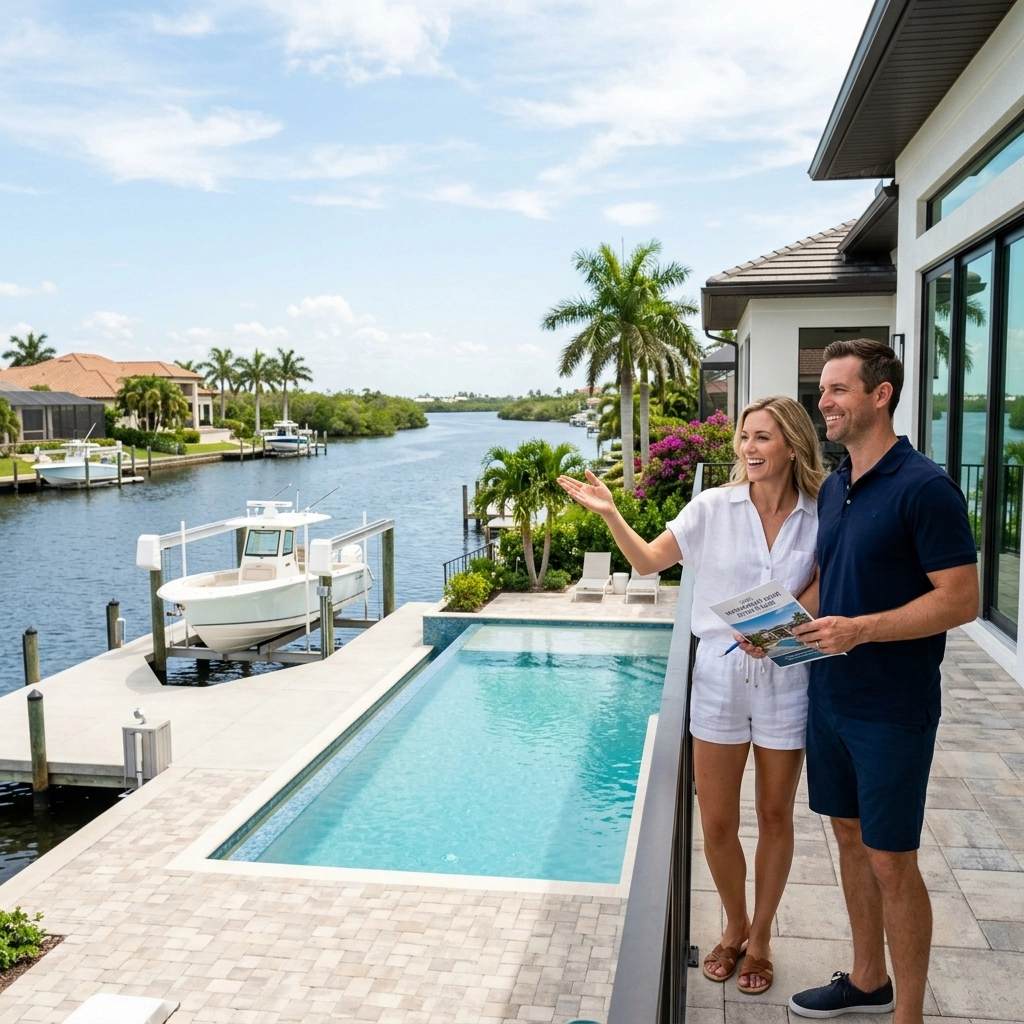
There is a specific kind of magic that happens when you wake up, pour a cup of coffee, and walk out onto your lanai to see the sun reflecting off the water. In Southwest Florida, particularly in Cape Coral and Fort Myers, that dream is a reality for thousands of people. We have more canals here than in Venice, Italy, over 400 miles of them in Cape Coral alone.
But here is the thing: buying a waterfront home isn’t like buying a standard dry-lot house. It’s significantly more complex. As a Broker/Owner here at RE/MAX Realty Team, I’ve seen buyers fall in love with a kitchen only to realize later that their boat won’t fit under the bridge down the street.
If you’re looking at SWFL waterfront homes, you need to know what’s happening beneath the surface, literally and figuratively. Here are the secrets local experts want you to know before you sign on the dotted line.
Not All Water Is Created Equal: The Access Hierarchy
The biggest mistake buyers make is assuming that "waterfront" means you can take your boat to the Gulf of Mexico. In SWFL, and especially when looking at cape coral quadrants, there are three distinct types of water:
- Gulf Access (Direct): This is the gold standard. It means there are no bridges between your dock and the open water. If you have a large sailboat or a high-profile yacht, this is your only option.
- Gulf Access (Indirect): You can still get to the Gulf, but you have to go under one or more bridges. This is where "bridge clearance" becomes the most important phrase in your vocabulary.
- Freshwater: These are landlocked lakes and canals. They are beautiful, great for fishing, kayaking, and electric boats, but you aren't getting to the ocean from here.
The Bridge Clearance Secret (The "Oops" Factor)
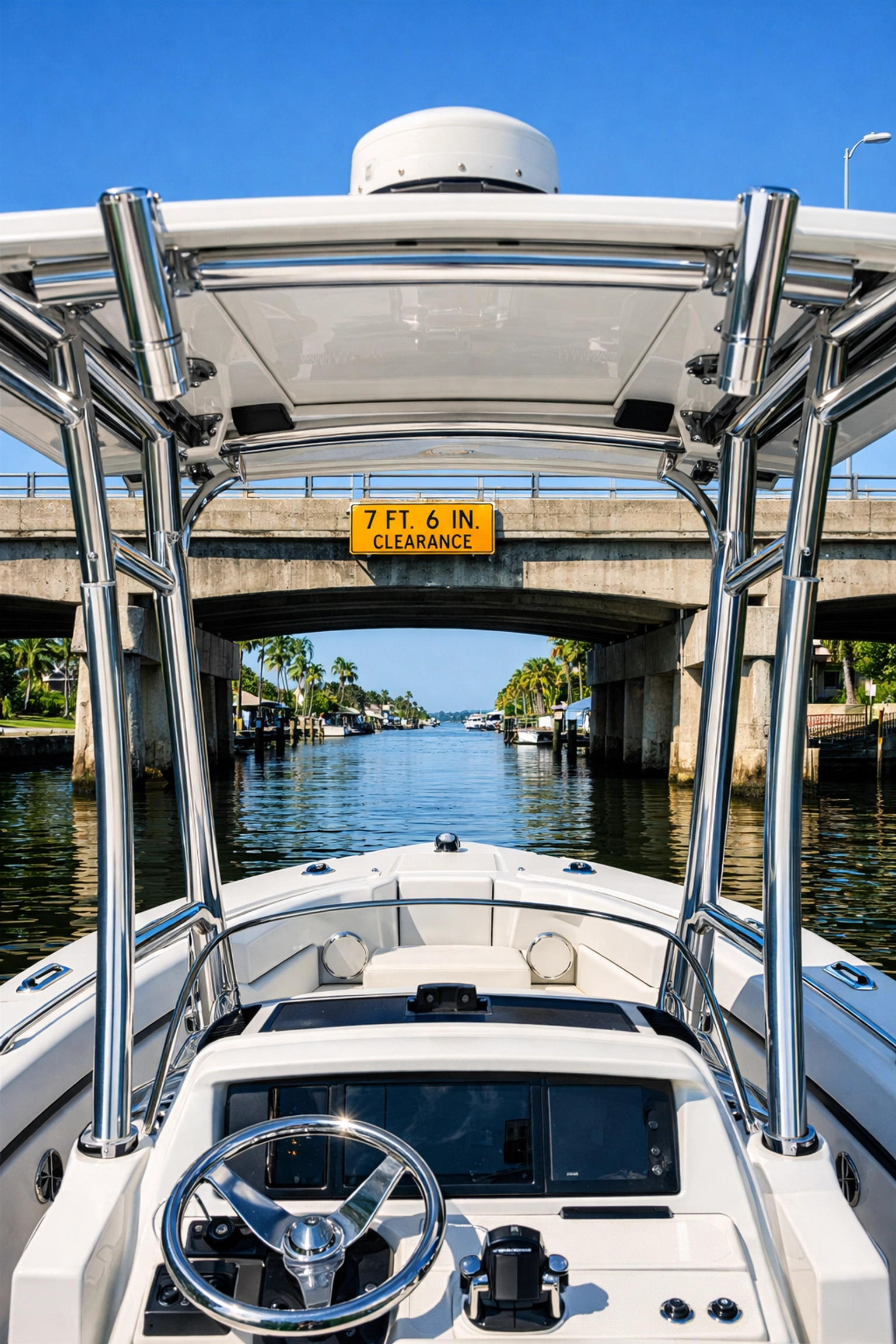
In Cape Coral, bridges are the gatekeepers. Many canals require passing under fixed bridges with clearances ranging from 8 to 11 feet at mean high tide. If you buy a beautiful center console boat with a T-top and a radar array, and the bridge down the canal only gives you 9 feet of clearance, you’ve got a major problem.
Local realtors cape coral experts know to ask for your boat’s "air draft." We don’t just look at the house; we look at the path to the river. If you’re shopping for a home, always check the bridge heights on the route to the Caloosahatchee River. It can be the difference between a relaxing day on the water and a very expensive mistake.
Understanding the Cape Coral Quadrants
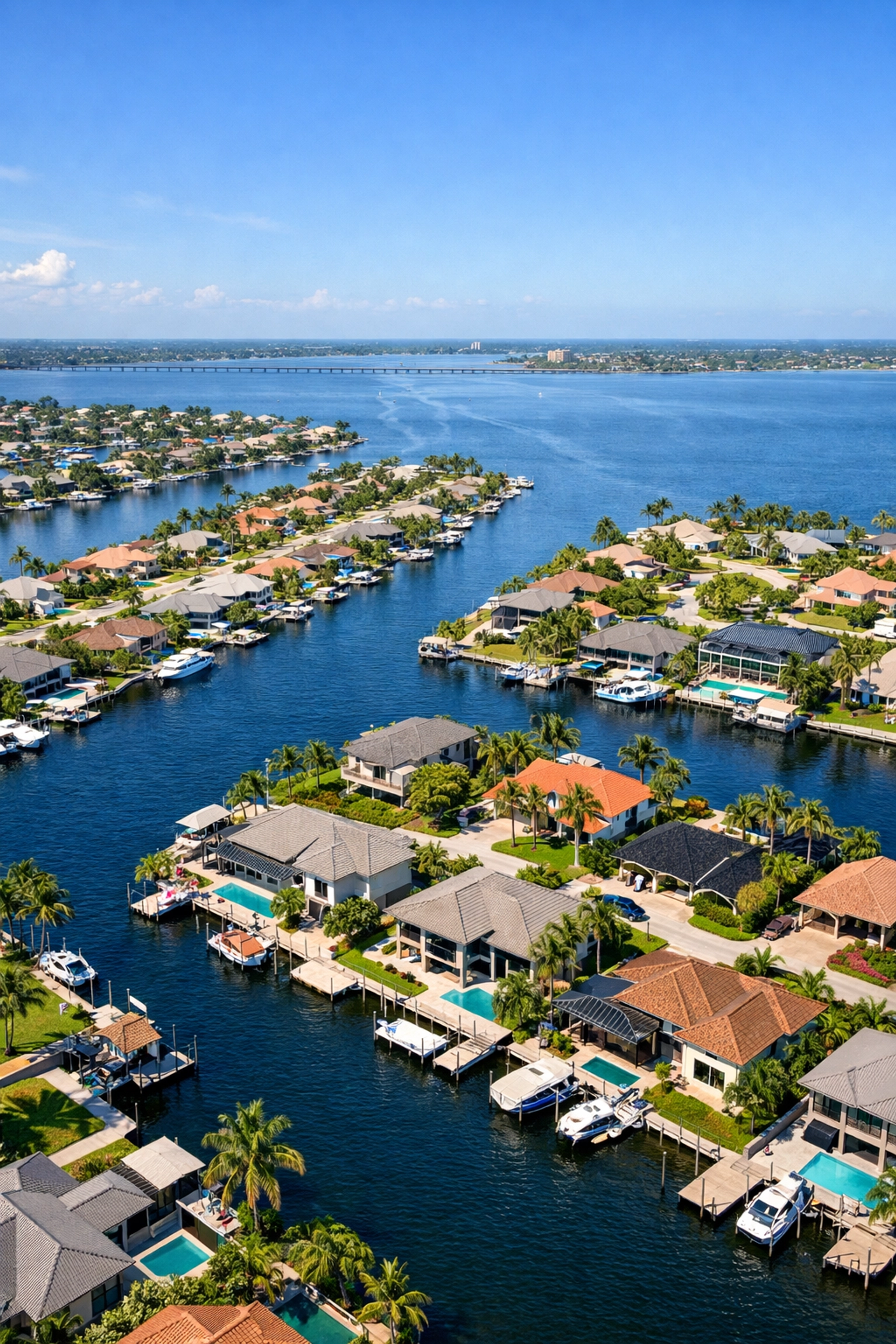
Cape Coral is massive, and it’s divided into four quadrants: Southeast (SE), Southwest (SW), Northeast (NE), and Northwest (NW). Where you buy drastically changes your waterfront experience.
- SE & SW Quadrants: These are the most established areas. You’ll find some of the quickest access to the river and the Gulf. Because the "run time" to open water is shorter, these homes often command a premium.
- NW & NE Quadrants: These areas are growing rapidly. You can often find newer, larger homes for a better price, but your "boat commute" might be 45 minutes to an hour through the canals before you even hit the river.
When you work with experienced cape coral real estate agents, we help you balance the "House vs. Commute" equation. Do you want a 2026-built mansion if it takes you two hours round-trip just to get to the Sanibel bridge? For some, the answer is yes. For others, it’s a deal-breaker.
The Invisible Asset: Seawalls and Docks
When you buy a waterfront home, you aren't just buying a house; you’re buying a marine structure.
The Seawall: Most waterfront homes here have concrete or composite seawalls. A failing seawall can cost $30,000 to $60,000 (or more) to replace. Look for cracks, "deadmen" (anchors) pulling through, or soil erosion behind the wall. In Cape Coral, the city actually has a seawall assessment program for some areas, so you’ll want to check if there are any outstanding balances.
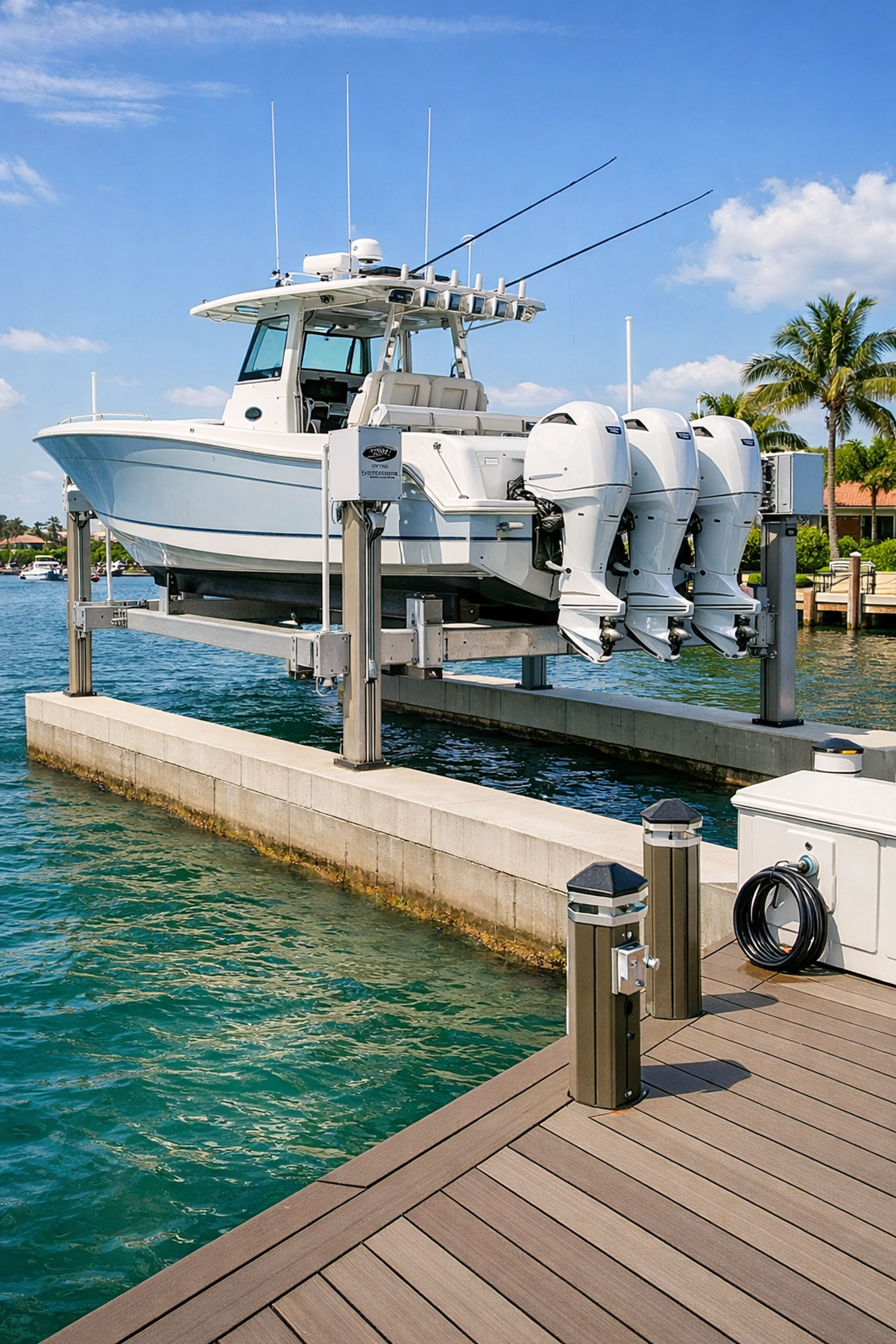
The Dock and Lift: Does the home have a boat lift? If so, what is its capacity? A 7,000-lb lift won’t hold a 12,000-lb boat. Replacing or upgrading a lift and dock can be a significant hidden cost that buyers often overlook in the excitement of the initial tour.
Flood Zones and the 50% Rule
Let’s talk about the "boring" stuff that actually saves you thousands: FEMA and insurance. Most waterfront homes are in high-risk flood zones (Zone AE or VE). This means flood insurance is usually mandatory if you have a mortgage.
Expert tip: Ask for the Elevation Certificate immediately. This document tells the insurance company how high the living floor is compared to the base flood elevation. If the house is "low," your insurance premiums will be "high."
Also, be aware of the FEMA 50% Rule. If a home is below the current required flood elevation and sustained damage (or you want to remodel), you cannot spend more than 50% of the structure's value on improvements unless you bring the entire house up to current codes (which usually means raising it). This is why "dirt value" is so important in SWFL: sometimes the value is 90% in the land and the dock, and only 10% in the house.
Gated Communities vs. No-HOA Freedom
Many buyers come to us looking for gated communities in cape coral florida. These offer incredible amenities like tennis courts, clubhouses, and security. However, they also come with HOA fees Cape Coral residents need to factor into their monthly budget.
In communities like Cape Harbour or Tarpon Point, you get a resort lifestyle but less freedom regarding what you can do with your dock or your landscaping. On the flip side, much of Cape Coral is "off-grid" in terms of HOAs. You can park your boat trailer in your driveway (with some city restrictions) and don’t have to pay a monthly fee. It’s all about the lifestyle you prefer.
Why the "Dirt" Matters More Than the Decor
In the world of SWFL waterfront real estate, we often say you can change the house, but you can’t change the water. A 1970s "fixer-upper" on a direct-access corner lot with 150 feet of water frontage is often a better investment than a brand-new home on a narrow, landlocked freshwater canal.
When evaluating a property, look at:
- Waterfrontage: How many linear feet of seawall do you have?
- View: Are you looking at the back of someone else's house, or an intersecting canal view?
- Location: How close are you to the "Spreader Canal" or the River?
Work With a Local Specialist
The waterfront market in Fort Myers and Cape Coral is moving fast, and the nuances are endless. From salt-air corrosion on AC units to the specific permits needed for a new boat lift, there is a lot to juggle.
This is why having one of our realtors cape coral experts in your corner is vital. We don’t just show you houses; we navigate the nautical charts, the FEMA maps, and the city ordinances for you. We want to make sure the home you buy today is an asset you’ll love ten years from now.
Final Takeaway for Buyers:
- Verify the access: Don't trust a listing description; check the maps and bridge heights yourself.
- Check the seawall: Get a marine inspection, not just a home inspection.
- Budget for insurance: Get an insurance quote during your inspection period.
- Know your quadrants: Decide if you value a newer home or a shorter boat ride.
If you’re ready to start your search for the perfect Florida lifestyle, head over to www.swflhomestoday.com to see the latest waterfront listings and find an expert who can guide you through the process.
Waterfront living is the ultimate SWFL dream: just make sure you have the right secrets in your pocket before you dive in!