

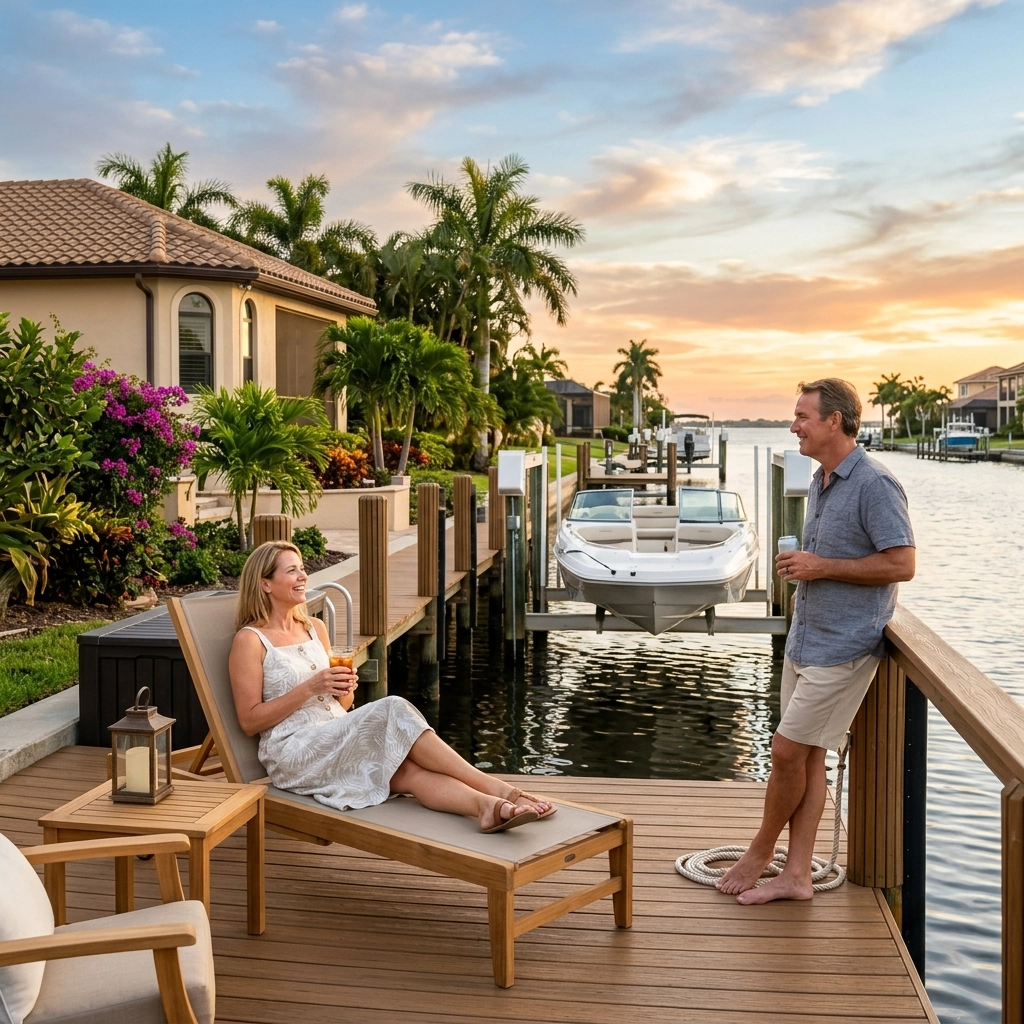
So, you’re dreaming of waking up, grabbing a coffee, and walking out to your backyard to see your boat bobbing in the water. It’s the Southwest Florida dream, right? Whether you’re looking at the sprawling canal systems of Cape Coral or the riverfront estates in Fort Myers, there is nothing quite like the waterfront lifestyle.
But here’s the reality: buying a waterfront home in SWFL isn’t like buying a standard home in a suburban neighborhood. There are layers of complexity here that can turn your dream into a high-maintenance headache if you aren’t careful. As the Broker/Owner of RE/MAX Realty Team, I’ve seen it all: the good, the bad, and the "I wish I knew that before I signed."
If you’re working with realtors in Cape Coral or searching through listings on swflhomestoday.com, you need to be aware of these seven common mistakes. Let’s break them down so you can buy with confidence and actually enjoy that sunset view.
1. Not Knowing the Difference Between Gulf Access and Freshwater
This is the number one mistake we see. In Cape Coral, there are over 400 miles of canals, but they are not all created equal.
The Mistake: Buyers see a beautiful water view and assume they can take their boat out to the Gulf of Mexico. Later, they find out they are on a "freshwater" canal. While freshwater canals are great for fishing, kayaking, and electric boats, they are landlocked. You cannot get to the ocean from them.
The Fix: Be extremely specific with your Cape Coral real estate agents. If you want to head out to Sanibel or Captiva, you need a "Gulf Access" home. If you just want the view and a quieter atmosphere for a lower price point, freshwater might be perfect. Always verify the "access" type before you fall in love with the kitchen.
2. Forgetting to Check Bridge Clearances
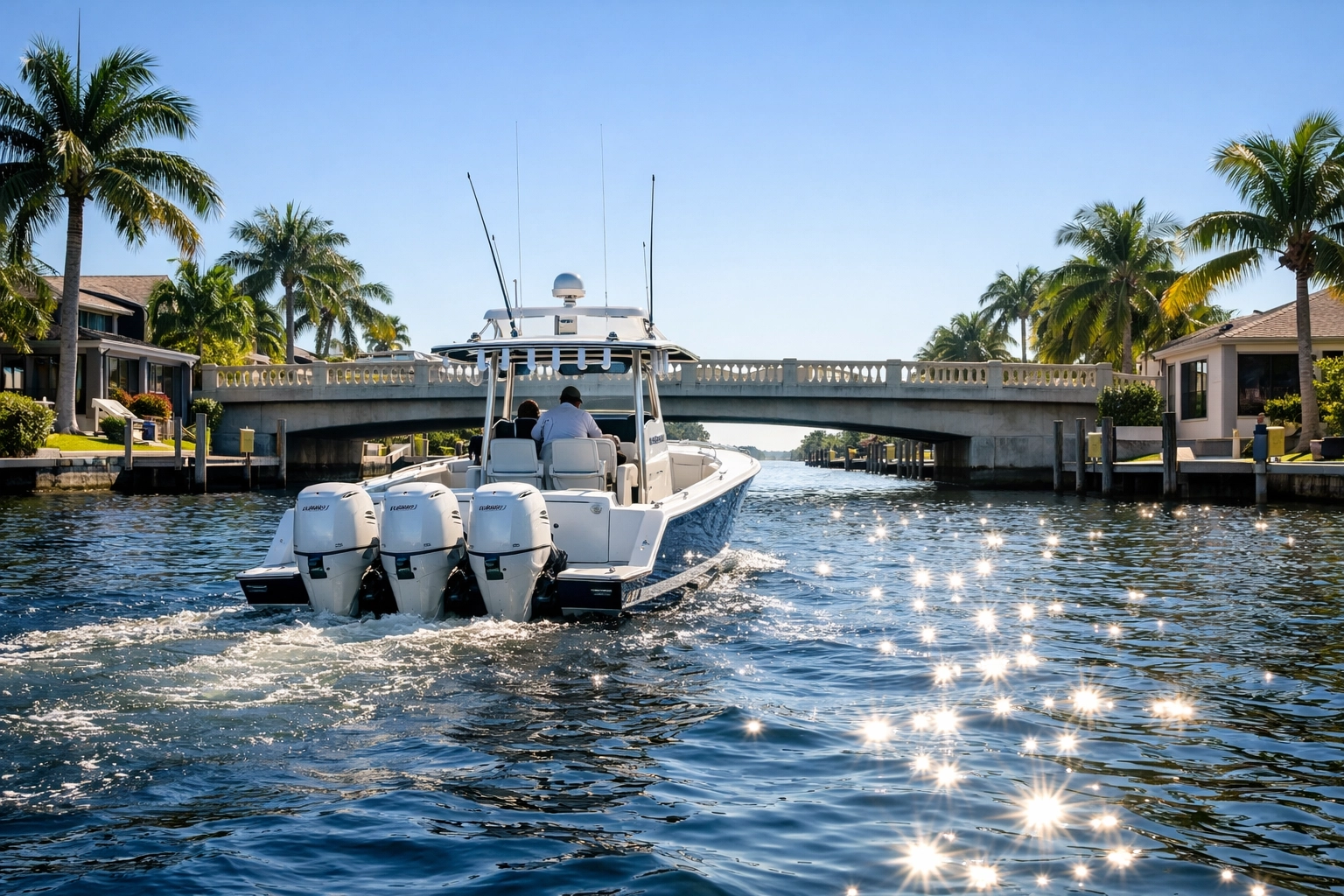
Even if a home is labeled as "Gulf Access," that doesn’t mean your boat can make the trip.
The Mistake: You buy a beautiful home with a dock, but your boat has a high T-top or a flybridge. You soon realize there is a bridge between your house and the river that only has an 8-foot clearance at high tide. Now, you’re stuck waiting for the tide to go out just to go for a cruise.
The Fix: In the world of SWFL real estate, we use the term "Sailboat Access" to describe properties with no bridges between the dock and the Gulf. If a property isn't sailboat access, you need to know the bridge heights. Ask your agent for a "bridge map" of the Cape Coral quadrants. Most bridges in the area have a clearance of about 9 to 11 feet, but some are lower. Always measure your boat’s "air draft" before you buy.
3. Skipping the Marine Inspection (The Seawall Trap)
When you buy a home, you get a home inspection. But when you buy a waterfront home, you need a marine inspection.
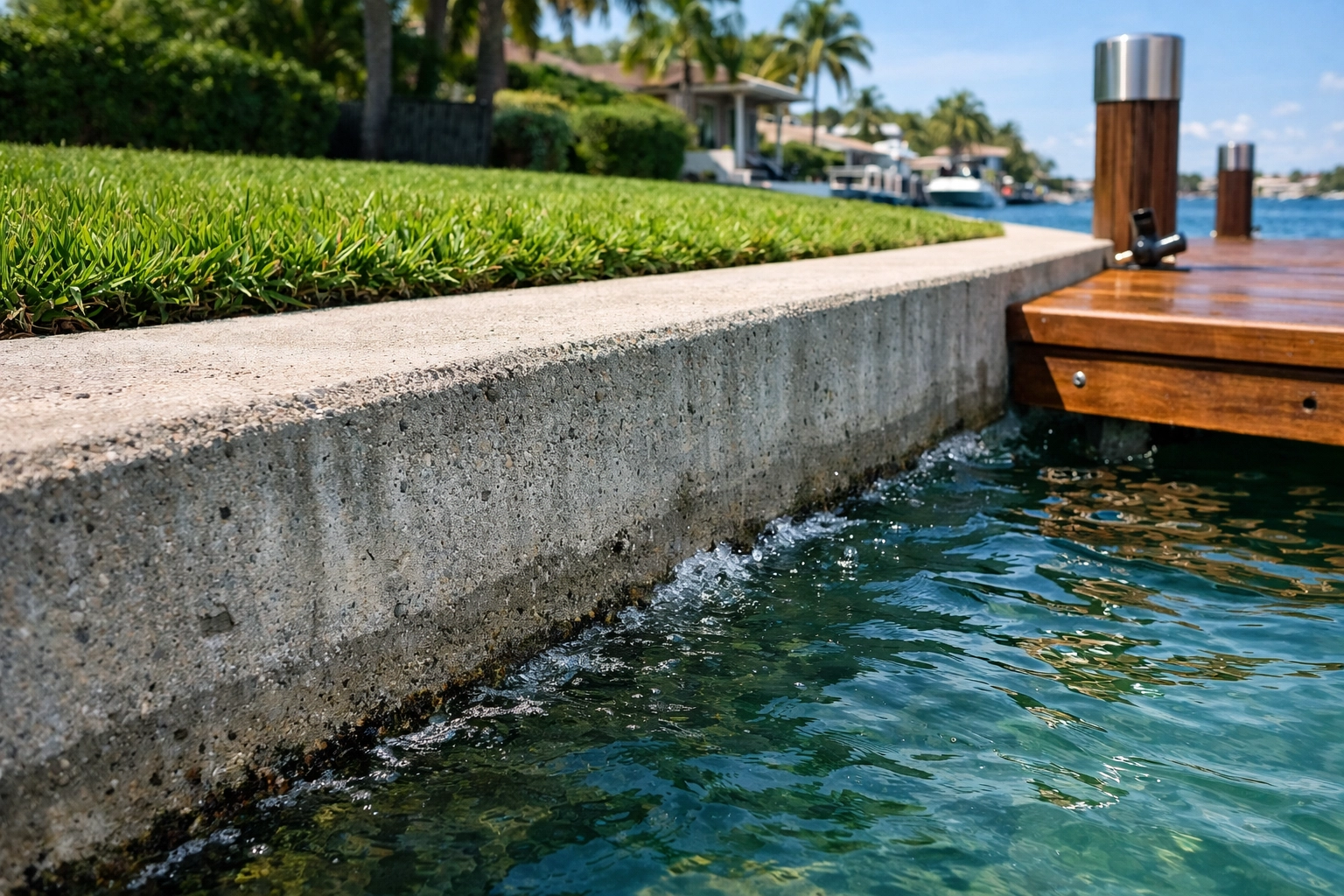
The Mistake: A seawall might look fine from the backyard, but beneath the waterline, it could be cracking, crumbling, or suffering from "sinkholes" caused by failing return lines. Replacing a seawall in SWFL can cost anywhere from $500 to $1,000 per linear foot. On an 80-foot lot, that’s a $40,000 to $80,000 surprise you don't want.
The Fix: Hire a professional marine contractor to inspect the seawall and the dock. They will look for structural integrity, rebar corrosion, and the condition of the pilings. It’s the best few hundred dollars you’ll ever spend. If the seawall is older, factor that replacement cost into your offer.
4. Ignoring Canal Width and Maneuverability
This is something people rarely think about until they are trying to park a 30-foot boat on a windy day.
The Mistake: Buying a home on a narrow 40-foot or 60-foot canal when you have a large vessel. If the neighbor across the way also has a large boat on a lift, the "navigable" space in the middle gets very small, very fast.
The Fix: Check the canal width. In many gated communities in Cape Coral Florida, the canals are wider and offer more room for maneuvering. Look for homes on "intersecting canals" if you want a massive water view and plenty of space to turn your boat around. Not only is it easier to navigate, but the resale value on intersecting canal homes is significantly higher.
5. Underestimating the Total Cost of Ownership
Waterfront living is premium living, and it comes with premium costs.
The Mistake: Buyers budget for the mortgage but forget about the "waterfront extras." This includes higher flood insurance premiums, boat lift maintenance, and the "wet tax" (increased property taxes because of the water frontage). Furthermore, after Hurricane Ian, insurance regulations have shifted significantly.
The Fix: Before you pull the trigger, get an insurance quote. Flood insurance is mandatory if you have a mortgage in a flood zone, and those rates vary wildly based on the elevation of the home. Also, consider the maintenance of your dock and lift. In Florida’s saltwater environment, everything metal or wood needs regular attention. If you’re looking at HOA fees in Cape Coral, make sure you understand what the association covers versus what is your personal responsibility.
6. Not Understanding the Cape Coral Quadrants
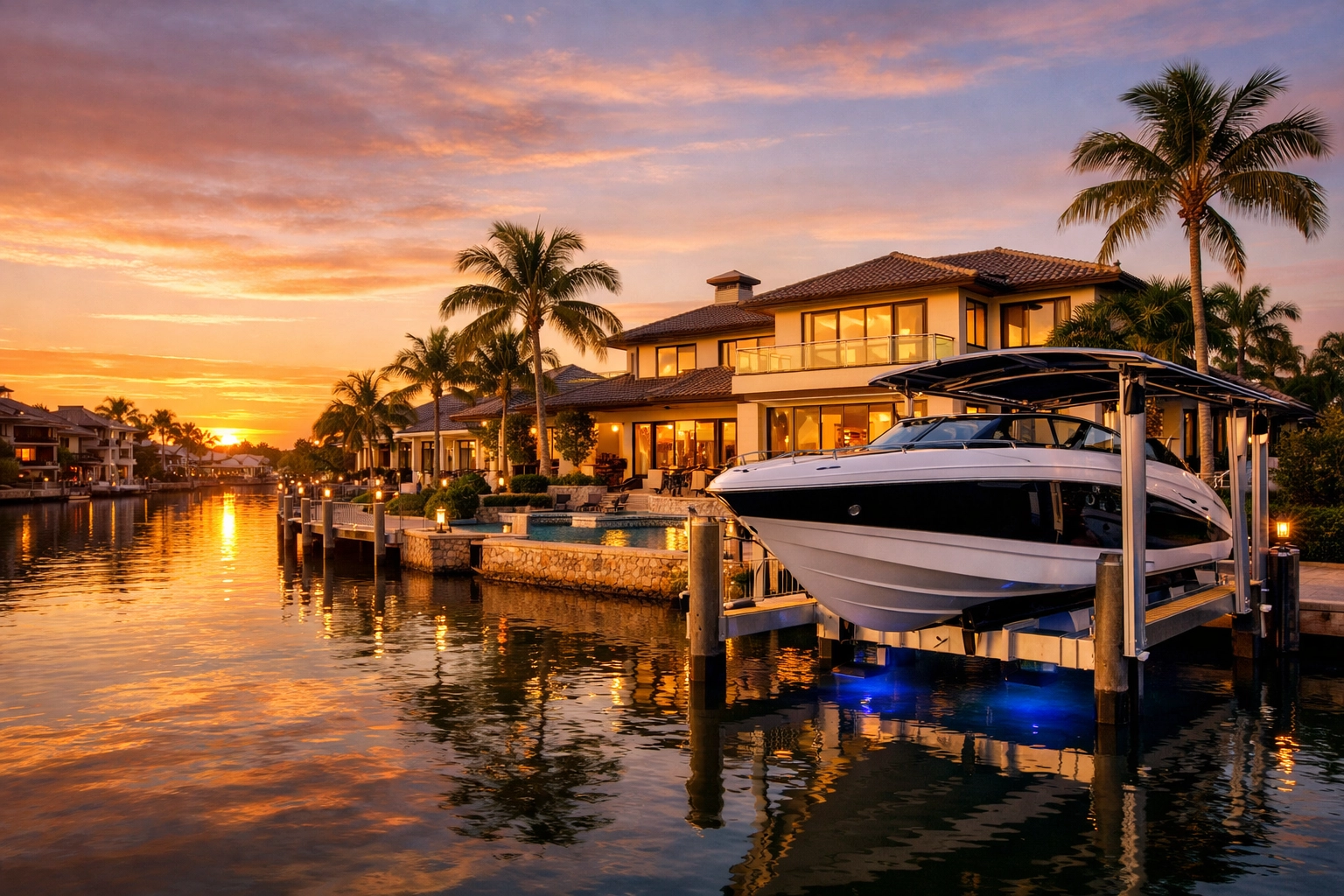
Cape Coral is divided into four quadrants: Northwest (NW), Northeast (NE), Southwest (SW), and Southeast (SE). Each has a very different "vibe" and different boat travel times.
The Mistake: Buying a home in the North because it’s newer and cheaper, only to realize it takes 90 minutes of "no-wake" idling through canals just to reach the river. By the time you get to the open water, you’re already exhausted.
The Fix: Map out your "ride to the river." If you plan on boating every weekend, you might prefer the SE or SW quadrants, which generally offer shorter runs to the Caloosahatchee River. The SE is the most established area with some of the quickest Gulf access, while the SW is home to many luxury gated communities in Cape Coral Florida. Work with local experts who know the "run times" from specific neighborhoods.
7. Overlooking Local Ordinances and HOA Rules
Just because you own the land doesn't mean you can do whatever you want with the water.
The Mistake: You buy a home intending to build a massive two-story boat house with a tiki hut, only to find out the City of Cape Coral or your specific HOA has strict "setback" rules that prevent it. Or worse, you buy in a manatee zone where you are legally required to travel at idle speed for miles during certain months.
The Fix: Research the zoning and the "Manatee Zones." Some areas are permanent slow-speed zones to protect local wildlife. While it's great for the manatees, it can add 20 minutes to your trip. Also, if you are looking at a home within a community with an HOA, read the bylaws regarding docks and lifts. Some have restrictions on the types of canopies or boat sizes allowed.
Summary: How to Do It Right
Living on the water in Southwest Florida is a life-changing experience. There is nothing like watching dolphins play in your backyard or heading out to lunch by boat. However, the technicalities of waterfront real estate require a specialized eye.
To recap, here is your checklist for success:
- Verify Access: Is it Gulf Access or Freshwater?
- Check Bridges: Will your boat fit?
- Inspect the Seawall: Don't get stuck with a $60k repair bill.
- Measure the Canal: Can you actually turn your boat around?
- Budget for Insurance: Get quotes for flood and wind early.
- Know Your Quadrant: How long is the boat ride to the Gulf?
- Check the Rules: Ensure your dream dock is legally allowed.
If you’re ready to start your search, the best place to begin is by browsing current listings at swflhomestoday.com. Our team at RE/MAX Realty Team lives and breathes the SWFL lifestyle, and we’re here to make sure you don’t make these common mistakes.
The water is calling: let's make sure you get the right house to enjoy it!