Uncategorized
New construction offers modern finishes and a fresh start. A resale home may put you closer to established neighborhoods, mature landscaping, or the waterfront you’ve been picturing. In Cape Coral, the better choice depends on more than the list price: lot costs, upgrades, insurance, utility assessments, timing, and location all affect the real value.
So, is Cape Coral’s market balanced in 2026? One current snapshot suggests it is: Momentum Realty’s October 20 report shows a median sale price of $379,025, up 1% year over year, and a median 51 days to contract. Its proprietary market score is 50 out of 100, which it classifies as balanced. That’s a useful indicator, not a guarantee of equal negotiating power in every price range or neighborhood. (See the Cape Coral market data and methodology.)
Start with the full cost, not the advertised price
New construction: The quoted base price may not include the lot premium, upgraded cabinets or flooring, window treatments, a pool, landscaping, or other options. Ask for a written, itemized estimate of the home as you actually want it. Then compare the total to a resale with similar features.
Builder incentives can improve the numbers. These may include closing-cost credits, rate buydowns, appliances, or design allowances. But some offers depend on using the builder’s preferred lender. Compare the full loan terms (including lender fees, rate, and the cost of points) not just the advertised credit.
Resale: The price may be more negotiable, particularly if a home has been listed for a while, but budget for repairs, updates, and near-term replacements. A roof, air-conditioning system, pool equipment, or windows can change the cost comparison quickly. Ask about seller concessions as well as price reductions; the best option depends on your financing and the home’s condition.
For an additional local data point, one October 2026 listing snapshot reported 30 new-construction homes across six Cape Coral communities, with asking prices from $270,000 to $440,000 and a median of $356,888. That’s a limited, changing sample, not a citywide price rule. (View the snapshot and its coverage.)
Look closely at lot and utility costs
A new build on a vacant lot can carry costs that aren’t obvious in the home’s headline price. The City of Cape Coral lists current Contribution in Aid of Construction (CIAC) charges of $25,538 per equivalent parcel where city services are available within 200 feet and the property is outside an assessment area. The city calculates the charge based on parcel size, and it may not apply to every property. Separate utility expansion assessments or balances can also affect a specific lot or home. (Check Cape Coral’s utility and CIAC information.)
Before committing, ask whether water, sewer, and irrigation are connected, available, or planned; whether any assessments remain; and who is responsible for paying them. Get the answer for the exact parcel, not just the neighborhood.

Timeline and construction-stage risks
A resale home may be available to occupy soon after closing, subject to the transaction and any agreed repairs. That can suit buyers working around a move date. But a home that looks finished can still have deferred maintenance or unpermitted work to investigate.
New construction can mean choosing finishes and moving into a home that hasn’t had a previous owner. The timeline depends on whether you’re buying a completed inventory home or building from a particular stage. For a home under construction, ask for the current schedule, what could delay completion, and what happens if the home is not ready by the estimated date. Confirm which selections are still available and when they must be finalized.
At each stage, keep records of selections, change orders, allowances, and promised completion dates. Ask how access for inspections is arranged and how unresolved items are documented before closing. Weather, permitting, material availability, and construction sequencing can affect schedules; a projected date should not be treated as a guaranteed move-in date unless the contract says so.
Warranties and inspections: neither option is inspection-free
New doesn’t mean “skip the inspection.” Consider an independent inspection before closing, and ask whether the builder will allow additional inspections during construction. Clarify what the builder’s written warranty covers, how long coverage lasts, how to submit a claim, and how warranty service is handled. Coverage and terms vary by builder and contract.
For a resale, hire an inspector and review the findings before deciding what to negotiate. Depending on the property, you may also want roof, pool, pest, sewer, or other specialist inspections. Ask for permit history and documentation for major renovations. In Cape Coral, the city notes that repairs and improvements to structures in a Special Flood Hazard Area may require permits, including certain remodel work. (Read the City’s flood and permit guidance.)

Insurance, flood exposure, and property taxes
Get insurance quotes early for either kind of home. Ask an insurance professional about homeowners, windstorm, and flood coverage, including deductibles and any requirements from your lender. A newer home may have features that affect insurance options, but the age of the house alone doesn’t tell you what your premium will be.
Check the flood zone and elevation information for the individual property, rather than relying on a broad neighborhood description. The City of Cape Coral provides an address-based flood-risk information portal with flood zone, elevation, and available document details. Lee County’s revised flood maps are scheduled to take effect March 2, 2027, according to Lee County’s flood information. Ask your insurance agent how current and pending map information could affect the property you’re considering. A flood zone is only one part of the risk picture; get a property-specific quote.
Taxes deserve the same attention. A seller’s current tax bill may not represent your future bill after a sale. The Lee County Property Appraiser explains that the prior owner’s homestead exemption does not transfer to a buyer, and the tax bill can include non-ad valorem assessments for services such as water, sewer, roads, or fire protection. (Review Lee County exemption and tax-bill information.) Ask your agent or tax professional how to estimate your costs, and verify any parcel-specific assessments with the relevant agency.
Location: a new home can’t move the neighborhood
Many new communities offer a consistent look, newer infrastructure, and a lower-maintenance start. Depending on the particular location, they may be farther from established commercial areas or have less mature landscaping. Resale homes can offer established streets, shade trees, and proximity to places or amenities you already value. But conditions vary from one block to another, and new construction is also available in a range of locations.
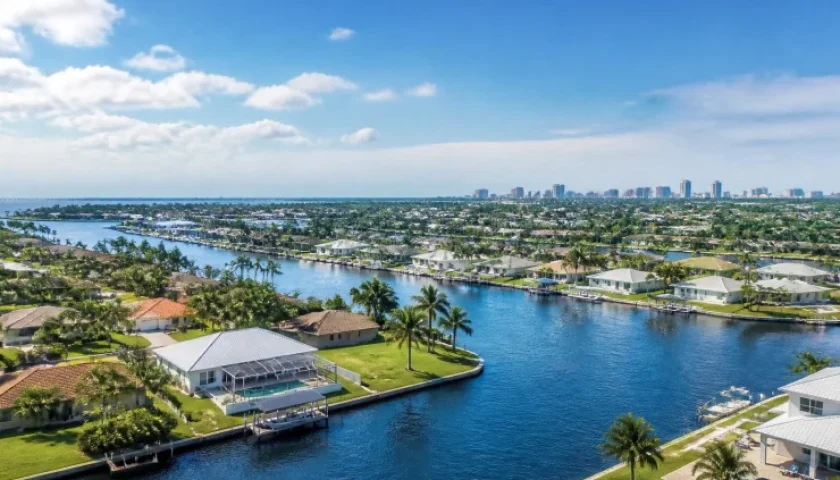
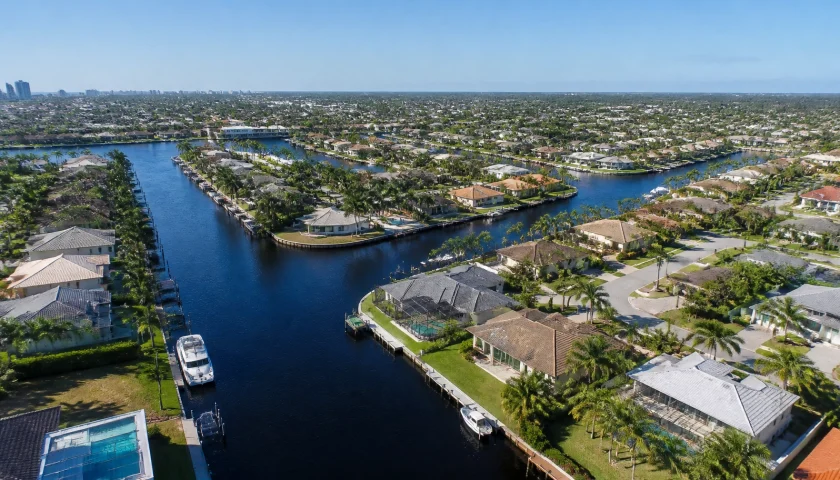
If you’re looking for SWFL waterfront homes, compare the waterfront itself, not just the house. Ask about the canal or water access, dock and lift condition, and any relevant permits or restrictions. Waterfront properties can differ substantially in access, exposure, and upkeep.
When comparing Cape Coral with nearby areas, treat Fort Myers real estate trends as a separate market reference, not a substitute for Cape Coral neighborhood-level comparisons. City, county, price range, and property type can all change what a statistic means.

Questions to ask before you make an offer
Whether you’re speaking with a builder or a resale seller, get clear answers to these questions:
- What is included in the price, and what costs extra?
- Which incentives are available, what conditions apply, and what is the net cost after financing fees?
- Are there utility assessments, unpaid balances, or future connection costs for this parcel?
- What permits, inspections, warranties, and repair records are available?
- What are the property’s flood zone, elevation details, and insurance quotes?
- How might taxes and non-ad valorem assessments change after purchase?
- For new construction, what is the completion schedule, what can delay it, and how are changes documented?
- For resale, what repairs are needed soon, and are there records of prior storm damage or renovation work?
A local professional can help you compare the property, neighborhood, contract details, and recent comparable sales. If you’re weighing options, search Southwest Florida properties or contact RE/MAX Realty Team. Cape Coral real estate agents who know the area can help you investigate parcel-specific details; when comparing realtors Cape Coral buyers might work with, look for someone prepared to explain the costs and tradeoffs, not just the list price.
The takeaway
In Cape Coral’s 2026 market, new construction may make sense if its finished cost, incentives, location, and timeline suit your plans. Resale may be the better fit if you value an established setting, a quicker move, or a particular location, and the home’s condition and ongoing costs work for your budget. Compare the full cost of ownership, check the lot and flood details, and put every incentive or promise in writing. That’s a more reliable way to decide than choosing based on “new” or “resale” alone.