Uncategorized
Tuesday, September 22, 2026
The late-September market: balanced, selective, and highly local
Cape Coral and Fort Myers are no longer experiencing the rapid, seller-dominated conditions of the 2020–2022 boom. Today’s market is more balanced. Buyers have choices, listings are taking longer to sell than they did several years ago, and negotiation is part of many successful transactions.
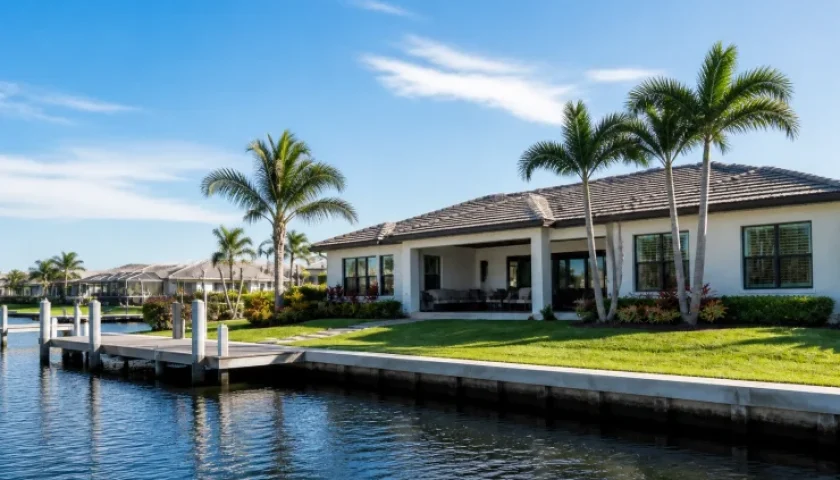
At the same time, “balanced” does not mean every property performs the same way. Well-priced homes, updated properties, and desirable SWFL waterfront homes, especially those with usable Gulf access, can attract attention much faster than the citywide average.
Realtor.com’s September 2026 data places Cape Coral’s median listing price around $402,800, with approximately 5,774 active listings and a median of 85 days on market. The median sold price is about $380,000, and homes are selling for approximately 97% of asking price on average. In Fort Myers, Realtor.com reports a median listing price near $329,000 and roughly 93 days on market.
These figures are useful benchmarks, but they are not a substitute for neighborhood-level analysis. A canal-front home in southwest Cape Coral, a downtown Fort Myers condominium, and a new construction home in the northwest corridor each compete in a different market.
View Realtor.com’s Cape Coral market data and Fort Myers market data.
Cape Coral: neighborhood differences matter

SW Cape
Southwest Cape Coral continues to draw buyers looking for established neighborhoods, proximity to the river, restaurants, shopping, and boating. Areas around Pelican, Surfside, and the Eight Lakes corridor can command a premium when homes offer attractive water views, updated interiors, newer roofs, and well-maintained seawalls.
Cape Harbour remains one of the area’s most recognizable lifestyle communities, combining marina access, dining, shops, and condominiums. Its smaller inventory means individual listings can influence neighborhood statistics significantly, so buyers should compare recent sales carefully rather than relying on a broad Cape Coral median.
NW Cape and the Burnt Store corridor
The northwest side offers more land, newer construction, and a wider range of price points. The Burnt Store corridor is especially relevant for buyers comparing new homes, vacant lots, and established residences near waterways and Burnt Store Marina.
Realtor.com’s September neighborhood data places Burnt Store’s median listing price near $449,900, with homes spending about 84 days on market. That does not mean every property falls within that range. Lot size, water access, construction year, pool features, and proximity to open water can create substantial differences.
Buyers should also account for the time and cost of completing a new build, including site work, landscaping, window coverings, pool construction, and utility-related expenses.
SE Cape and the Yacht Club area
Southeast Cape Coral, including the Yacht Club area, appeals to buyers who value older Cape Coral character, river proximity, and access toward Fort Myers. Some properties have excellent boating potential, while others face bridge restrictions or longer routes to open water.
The area also includes a mix of older homes, renovated residences, rebuilds, and condominiums. A property’s age alone is not a reliable measure of value. The more important questions are often: Has the roof been replaced? Is the seawall sound? Are the dock and lift permitted? What is the actual route to the river?
Sandoval and other amenity communities
Sandoval remains popular with buyers seeking gated-community amenities, pools, trails, and organized neighborhood activities rather than waterfront access. These homes compete on lifestyle, maintenance, floor plan, and community fees.
For buyers comparing Sandoval with a canal property, the monthly budget may look very different even when purchase prices are similar. One home may have a homeowners association fee and fewer exterior maintenance responsibilities, while the other may carry seawall, dock, lift, flood insurance, and pool expenses.
Fort Myers: riverfront, suburban, and coastal options
Fort Myers offers a broader mix of housing types and settings.
- Downtown and the River District: Buyers are drawn to historic architecture, restaurants, events, river views, and condominium living. Condo buyers should review association budgets, reserves, assessments, insurance, and building inspection records.
- McGregor: The McGregor corridor includes established homes, mature landscaping, golf communities, and access toward the beaches and Sanibel. Condition varies widely, so roof age, flood exposure, and renovation history are central to pricing.
- Gateway: This master-planned community east of Interstate 75 offers newer homes, amenities, and a more suburban setting. It can appeal to relocating families and buyers who want organized community facilities.
- Iona: Near the McGregor and Sanibel corridor, Iona attracts buyers interested in waterfront homes, established neighborhoods, and convenient access to coastal destinations. Flood and insurance analysis is particularly important here.
- The Villas and San Carlos: These areas offer established housing and, in many cases, more accessible price points. Buyers often compare them for commute convenience, rental potential, and proximity to shopping, schools, and employment centers.
- Cypress Lake: Cypress Lake provides a central Fort Myers location with a mix of single-family homes and condominiums. Buyers should compare association costs and property condition closely because similar asking prices can conceal very different long-term expenses.
Why late September through November can be a smart window
Late September marks the beginning of a meaningful seasonal shift. Out-of-state buyers, retirees, and second-home shoppers often begin planning visits before Southwest Florida’s winter season is fully underway.
For sellers, listing now can offer several advantages:
- Less competition than during the heaviest winter listing period.
- More time to attract buyers who are planning a December or January move.
- An opportunity to present a home before the market becomes crowded with seasonal inventory.
- A better chance to highlight improvements, waterfront features, and insurance documentation before buyers become more selective.
For buyers, fall can provide a useful combination of choice and negotiating room. There may be fewer weekend visitors than during peak season, but serious buyers are already preparing for winter occupancy. A buyer who is pre-approved and understands total ownership costs can move decisively when the right home appears.
Waterfront value is about access, not just a canal view

In Cape Coral and parts of Fort Myers, “waterfront” covers several very different experiences.
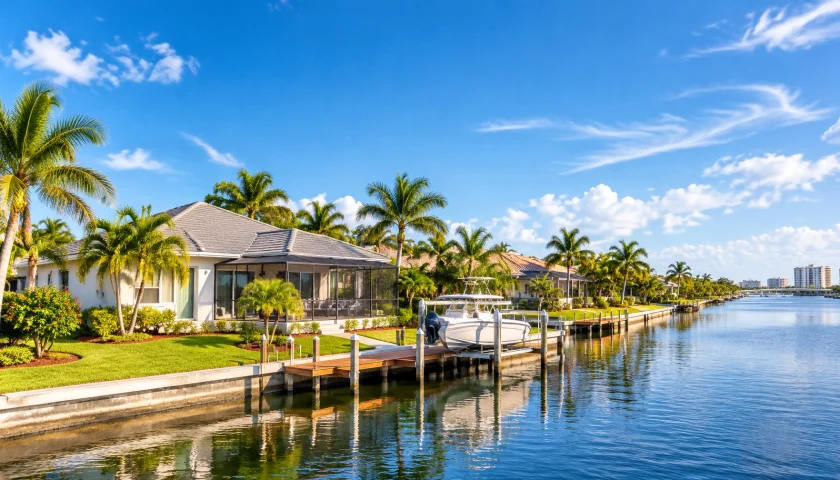
A freshwater canal may offer attractive views, kayaking, fishing, and a peaceful setting, but it does not provide a route to the Gulf. Gulf-access properties can be more valuable, but buyers must investigate:
- Bridge clearance and whether the route accommodates the intended boat.
- Canal depth and width at different tides.
- Travel time to the Caloosahatchee River and open water.
- Seawall age, condition, permits, and potential assessments.
- Dock, lift, electrical, and boat-lift permits.
- Maintenance responsibilities and storm-related exposure.
A home advertised as Gulf access may still have bridges, shallow sections, or navigational limitations. Before making an offer, use the Lee County Property Appraiser search, review LeeGIS property information, and obtain professional inspections or marine advice when necessary.
The monthly cost matters as much as the purchase price
Two homes priced at $500,000 can have very different carrying costs. Before comparing properties, buyers should request insurance estimates and review:
- Homeowners and flood insurance requirements.
- FEMA flood zone and elevation information.
- Roof age, remaining useful life, and replacement documentation.
- Impact windows, doors, shutters, and other wind-mitigation features.
- Elevation certificates, prior claims, and inspection reports.
- HOA or condominium fees, reserves, and possible assessments.
- Pool, seawall, dock, lift, landscaping, and pest-control expenses.
Florida’s insurance market has shown signs of improvement in 2026 following recent reforms. The private market has more carrier participation in general, and Citizens received an approved statewide average rate decrease. However, savings are not automatic. Eligibility and pricing still depend heavily on the individual home’s roof, construction, flood exposure, mitigation features, and claims history. Standard homeowners insurance also does not replace separate flood insurance.
New construction versus resale in Cape Coral

New construction can offer modern layouts, current building standards, warranties, and builder incentives. But buyers should look beyond the advertised base price. The final cost may include:
- Lot premiums, particularly for oversized or waterfront lots.
- Impact fees and utility-related charges.
- Pool, landscaping, fencing, appliances, and window treatments.
- Upgrades to cabinets, flooring, fixtures, and electrical systems.
- Construction timelines and interest-rate changes during the build.
Builder incentives may help with closing costs, rate buydowns, or upgrades, but buyers should compare the complete purchase package with comparable resale homes.
Resale homes may offer established landscaping, completed improvements, and a clearer record of actual insurance and utility costs. They may also require roof, HVAC, seawall, or remodeling work. The best choice depends on the buyer’s timeline, budget, tolerance for maintenance, and intended use.
Matching fall buyers with the right strategy
- Relocating families should begin now if they want to settle before the 2026–2027 school and winter activity cycles.
- Retirees may prefer established Fort Myers neighborhoods, low-maintenance communities, or a move-in-ready Cape Coral home.
- Second-home buyers should evaluate storm preparation, property management, insurance, and time spent vacant.
- Out-of-state buyers benefit from virtual tours, local inspections, and a clear closing timeline before traveling south for winter.
- Investors should compare achievable rent, insurance, taxes, HOA rules, maintenance, and seasonal demand, not just purchase price.
For buyers considering Sanibel or Fort Myers Beach, recovery and rebuilding information remains part of due diligence. Review the City of Sanibel’s active and recent grants, LeeCares housing recovery resources, and official Town of Fort Myers Beach updates before evaluating a storm-affected or substantially rebuilt property.
Summary: the opportunity is in the details
The September 2026 Cape Coral and Fort Myers market gives buyers more choice and negotiating room than the boom years, while sellers can still succeed with accurate pricing, strong presentation, and complete documentation. The most competitive properties are typically updated, correctly priced, and clear about insurance, flood risk, and waterfront features.
Late September through November is a practical planning window for both sides: buyers can shop before peak winter activity, and sellers can reach seasonal demand before competition intensifies.
For neighborhood-specific guidance, comparable sales, insurance questions to raise, or help evaluating SWFL waterfront homes, connect with RE/MAX Realty Team. With more than 100 agents, two offices, deep Southwest Florida knowledge, and a record as the region’s #1 producing brokerage for 14+ years, our team is here to help you make a confident next move.