Uncategorized
Southwest Florida real estate is not one market. In 2026, the difference between a Gulf-access home in Southwest Cape Coral, a newer property in the Northeast Cape, a downtown Fort Myers condo, and a post-storm rebuild on Fort Myers Beach can be substantial.
That is why buyers and sellers need more than a broad “Cape Coral market update 2026.” They need neighborhood-level information about inventory, pricing, flood exposure, insurance, construction type, rental demand, and resale potential.
Late-summer market data shows the Cape Coral–Fort Myers area is still more negotiable than the national market. Median days on market across the metro were approximately 94–95 days, while Cape Coral had roughly 2,800 active listings. However, individual ZIP codes and property types are moving at very different speeds.
Cape Coral real estate in 2026: more choice, but not equal leverage everywhere
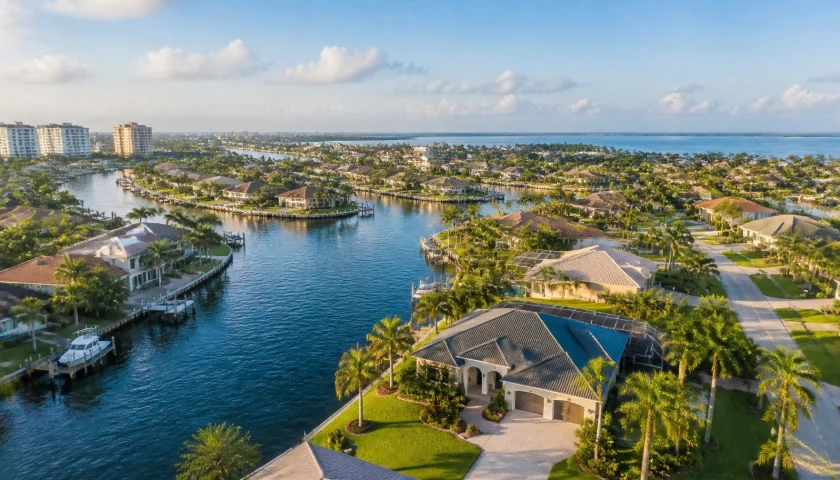
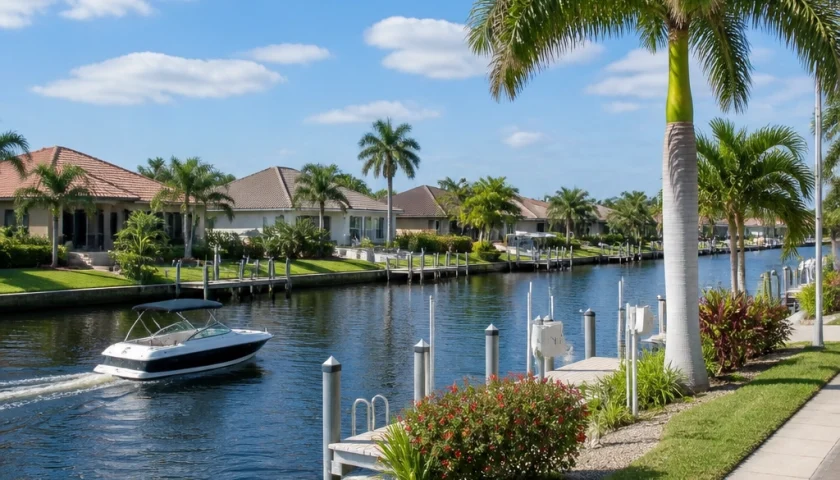
Cape Coral remains one of the most varied residential markets in Lee County. The city’s canal network, new construction pipeline, waterfront lifestyle, and relative affordability continue to attract full-time residents, retirees, second-home buyers, and investors.
At the same time, buyers are taking longer to make decisions. They are comparing insurance quotes, reviewing flood zones, inspecting seawalls and docks, and weighing resale homes against new construction.
Recent market snapshots show:
- Cape Coral typical home values are approximately $335,000, depending on the data source and property type.
- Median days on market range from roughly 70 to 90-plus days in several major ZIP codes.
- Many homes are selling below the original asking price, creating room for negotiation.
- Gulf-access waterfront homes command a significant premium, but condition, canal location, bridge clearance, seawall age, and flood exposure all affect value.
For buyers, this means more time and selection. For sellers, it means accurate pricing and strong presentation are essential.
Search available Cape Coral and Fort Myers properties with local guidance from RE/MAX Realty Team.
SW Cape versus NE Cape: lifestyle, boating access, and insurance considerations

The Southwest and Southeast Cape generally contain Cape Coral’s most established Gulf-access neighborhoods. Buyers may find shorter boating routes, mature landscaping, larger waterfront homes, and proximity to marinas, restaurants, and lifestyle amenities.
Popular waterfront areas include portions of the Yacht Club area, Gold Coast, Cape Harbour, Surfside, and the South Spreader corridor. In these locations, buyers often pay a premium for:
- Direct Gulf access
- No-bridge or limited-bridge boating routes
- Wide intersecting canals
- Updated seawalls and docks
- Water views from multiple rooms
- Proximity to restaurants, marinas, and beaches
The Northeast and Northwest Cape offer a different value proposition. These areas have more vacant land, newer construction, and emerging neighborhoods. Some properties offer Gulf access, but many canals are freshwater or involve longer routes to open water.
The NE and NW Cape can appeal to buyers who prioritize:
- A newer home with modern building standards
- Larger lots or more customization
- Lower entry prices than established waterfront areas
- Potentially more favorable flood-zone characteristics
- Long-term growth rather than immediate boating convenience
However, “waterfront” does not automatically mean “Gulf access.” Buyers should confirm whether a canal connects to open water, the anticipated boat route, bridge restrictions, and any permitting or maintenance obligations.
What the major ZIP codes are telling us
ZIP code averages are helpful starting points, but they should never replace a property-specific comparative market analysis. Still, the current data shows meaningful differences.
33914: Southwest Cape and waterfront-heavy inventory
ZIP code 33914 includes many highly desirable Southwest Cape neighborhoods and a significant amount of waterfront housing. Typical home values are above the Cape Coral average, with recent estimates around $421,000.
The area has also shown a median time on market near 90 days. That does not mean every property takes three months to sell. A well-priced, updated Gulf-access home can attract attention quickly, while an older or overpriced home may remain available considerably longer.
For sellers, 33914 pricing should account for the specific canal, seawall, elevation, renovation quality, and insurance profile, not simply the ZIP code.
33904: Southeast Cape and established neighborhoods
ZIP code 33904 is known for mature neighborhoods, proximity to the Caloosahatchee River, and a mix of older homes, condos, and waterfront properties. Typical values are lower than 33914 overall, with recent estimates near $338,000.
The ZIP has also shown roughly 90 days of median market time. Buyers may find opportunities in older homes that need updates, but renovation costs can be significant, especially when electrical, roof, plumbing, seawall, or flood-compliance work is involved.
33990: central and Northeast Cape
ZIP code 33990 is one of the more active mid-priced segments in the Cape. Recent listing data has placed median prices near $370,000, with approximately 400 active listings and market times ranging from the low 70s to around 90 days, depending on the source.
This area can appeal to buyers seeking a balance between affordability, access to shopping and services, and newer residential construction. Sellers should still expect buyers to compare resale homes with nearby builder incentives and completed new-construction inventory.
33919: South Fort Myers and the McGregor corridor
Although often associated with Fort Myers rather than Cape Coral, ZIP code 33919 is important to the broader Southwest Florida comparison. It includes established neighborhoods, condos, townhomes, and homes near the McGregor corridor.
Recent data indicated approximately 400-plus homes for sale and a median market time near 90 days. The area’s mature location and proximity to beaches, healthcare, shopping, and employment centers can support steady demand, particularly among full-time residents and retirees.
33901: downtown Fort Myers and the riverfront
ZIP code 33901 includes downtown Fort Myers, the River District, riverfront condominiums, and a mix of historic and newer properties. It has shown some of the longest market times in the region, with ZIP-level data near 98 days and downtown-specific data sometimes substantially longer.
The reason is partly property mix. A downtown statistic may combine older condos, luxury riverfront units, small homes, and newer developments. A few high-priced or unusual sales can significantly influence the numbers.
For sellers, downtown pricing must be building-specific. Condo fees, reserves, assessments, insurance, rental restrictions, parking, views, and renovation quality can matter as much as square footage.
Fort Myers riverfront, downtown, and coastal recovery markets

Fort Myers is showing signs of rebalancing. Prices remain below recent peaks in several segments, but pending activity has improved and inventory has begun to tighten from earlier highs.
Downtown and riverfront properties appeal to buyers looking for walkability, restaurants, arts and entertainment, and a more urban waterfront lifestyle. The trade-off is often slower liquidity. A downtown condo may be attractive as a long-term investment but less predictable as a quick resale.
In south Fort Myers, buyers often prioritize convenience, established neighborhoods, healthcare access, and proximity to the beaches. These properties may offer more stable everyday demand than highly specialized luxury or waterfront inventory.
Fort Myers Beach and Sanibel remain recovery-driven markets. Buyers will encounter a mix of rebuilt homes, elevated new construction, older properties requiring substantial work, vacant lots, and properties with complex insurance or permitting histories.
On the islands, the purchase price is only part of the analysis. Buyers should evaluate:
- Elevation and flood-zone classification
- Wind and flood insurance availability
- Building-code compliance
- Rebuild or renovation costs
- Condo association reserves and assessments
- Short-term rental rules
- Anticipated construction timelines
- Long-term maintenance and carrying costs
These markets can offer strong lifestyle and investment appeal, but they generally require a longer time horizon and a higher tolerance for complexity.
Flood zones and insurance are now part of the pricing conversation
Flood risk is not a footnote in Lee County. It can affect financing, insurance costs, renovation plans, construction requirements, and future resale demand.
Zones beginning with A or V are generally considered Special Flood Hazard Areas. Federally backed lenders typically require flood insurance for structures in these zones. X zones are generally outside the high-risk area, but they are not risk-free, and a lender or insurer may still recommend or require coverage.
Before making an offer, buyers should:
- Check the property’s current FEMA and municipal flood-zone information.
- Request an insurance quote before the inspection period ends.
- Review elevation certificates, permits, and prior claims where available.
- Ask whether the home has impact windows, storm shutters, an updated roof, or other mitigation features.
- Confirm whether planned renovations could trigger substantial-improvement requirements.
- Review upcoming FEMA map changes and local requirements.
Useful official resources include Lee County flood information, the county’s Flood Zone Check tool, and Cape Coral’s flood protection information.
New construction versus resale homes
New construction remains an important competitor for resale sellers, particularly in the NE and NW Cape. Builders may offer rate incentives, closing-cost assistance, warranties, and modern finishes that make a new home appealing even when the base price is higher.
Resale homes can compete effectively when they offer:
- Mature landscaping
- Completed pools and screened lanais
- Established seawalls and docks
- Fewer construction delays
- Proximity to built-out amenities
- Renovated kitchens, bathrooms, roofs, and mechanical systems
- A clearly documented maintenance history
Buyers should compare the complete cost of ownership, not just the list price. A lower-priced resale home may need a roof, seawall, electrical upgrades, or insurance-related improvements. A new home may have fewer immediate repairs but could be farther from established services.
Rental and investment demand: location and rules matter
Rental demand remains strongest where tenants value convenience, employment access, beaches, boating, healthcare, and established amenities. South Fort Myers, parts of central Cape Coral, downtown Fort Myers, and select waterfront communities can attract different tenant profiles.
Investors should verify:
- Local rental restrictions
- HOA or condo association rules
- Minimum lease terms
- Short-term rental regulations
- Flood and wind insurance costs
- Property management fees
- Seasonal vacancy assumptions
- Maintenance for pools, docks, seawalls, and landscaping
A Gulf-access property may command a premium from vacation renters, but higher insurance, maintenance, and storm-related risk can reduce net returns. A non-waterfront home in a convenient neighborhood may produce a steadier, more manageable investment.
Practical pricing advice for sellers
In a market with longer days on market, the first few weeks are especially important. Sellers should:
- Price from recent comparable sales, not peak-era expectations.
- Separate waterfront premiums from ordinary water views.
- Document seawall, roof, dock, pool, and storm-hardening improvements.
- Obtain insurance information early.
- Use professional photography that shows both the home and the lifestyle.
- Address deferred maintenance before listing.
- Monitor competing new construction.
- Be prepared to adjust quickly if showing activity is weak.
A home that is correctly positioned from the beginning can benefit from the first wave of serious buyers. Overpricing often leads to longer exposure, price reductions, and weaker negotiating leverage later.
The takeaway for Cape Coral and Fort Myers buyers
Southwest Florida is offering opportunity, but the best decisions will come from looking beyond citywide averages.
The right property may be a Gulf-access home in 33914, a mature neighborhood in 33904, a newer residence in 33990, a convenient home in 33919, a walkable condo in 33901, or a long-term recovery investment on Fort Myers Beach or Sanibel. Each choice carries different implications for price, insurance, rental demand, maintenance, and resale.
Work with local Cape Coral real estate agents who understand the difference between canal types, ZIP codes, flood zones, building ages, and buyer demand. For a property-specific strategy, contact RE/MAX Realty Team for guidance from a team serving Cape Coral, Fort Myers, Sanibel, Fort Myers Beach, and surrounding Lee County communities.
The most important lesson is simple: in 2026, hyper-local knowledge is not optional. It is what turns a market statistic into a smart real estate decision.