Uncategorized
Cape Coral’s waterfront lifestyle comes in more than one form. You might picture a condo near a lively marina, a quiet canal-side home with a boat lift, or an established neighborhood close to a public beach and park. Tarpon Point, Cape Harbour, the Yacht Club area, and Pelican each offer a different version of that Southwest Florida experience.
The right fit depends on more than a map pin. Water access, home type, association fees, flood considerations, and the way you want to spend your days can all shape the decision. Here’s a neighborhood-by-neighborhood look at what sets these four areas apart.
At a glance: September 2026 asking-price guideposts
Approximate median asking-price guideposts for this comparison are:
| Area | Approximate median asking price | General feel |
|---|---|---|
| Tarpon Point | $937,000 | Upscale marina and waterfront living |
| Cape Harbour | $675,000 | Marina-centered, social, and amenity-rich |
| Yacht Club area | $739,000 | Established southeast Cape with an evolving public waterfront |
| Pelican (ZIP 33914) | $530,000 | Broad selection, from inland homes to canal-front properties |
These are asking-price benchmarks, not sale prices or guarantees of what a particular home is worth. Figures vary with the homes included, the date of the snapshot, and how a source defines a neighborhood. As one example, Realtor.com’s market snapshot showed a different Cape Harbour median and Pelican figure, while Tarpon Point’s neighborhood-level median was unavailable. Use the guideposts to start a conversation, then compare homes with similar water access, age, condition, and association costs.
Tarpon Point: an upscale marina setting
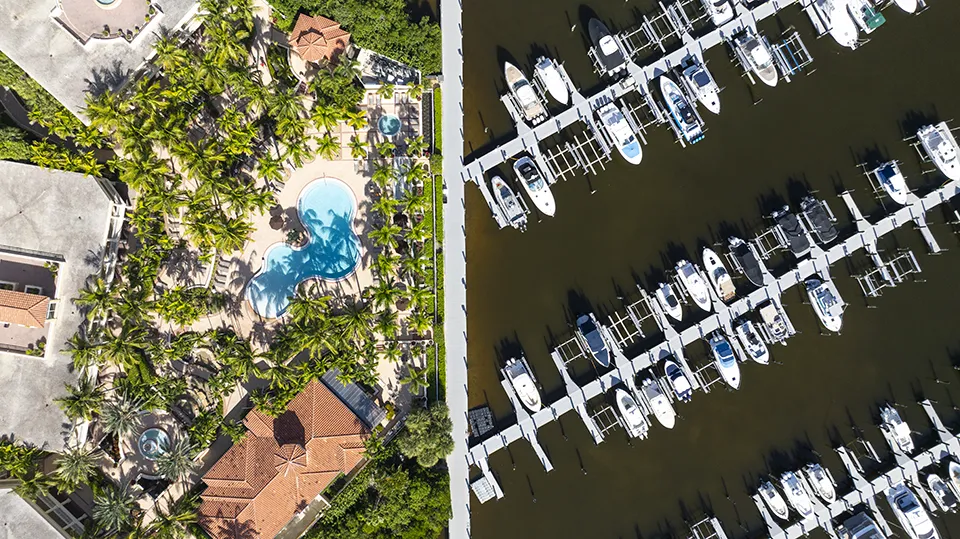
Tarpon Point is a strong match for buyers who want a polished waterfront environment with a marina at the center of the lifestyle. The area includes condominiums, villas, and larger estate homes, so the experience can range from relatively low-maintenance living to a private home with its own outdoor space.
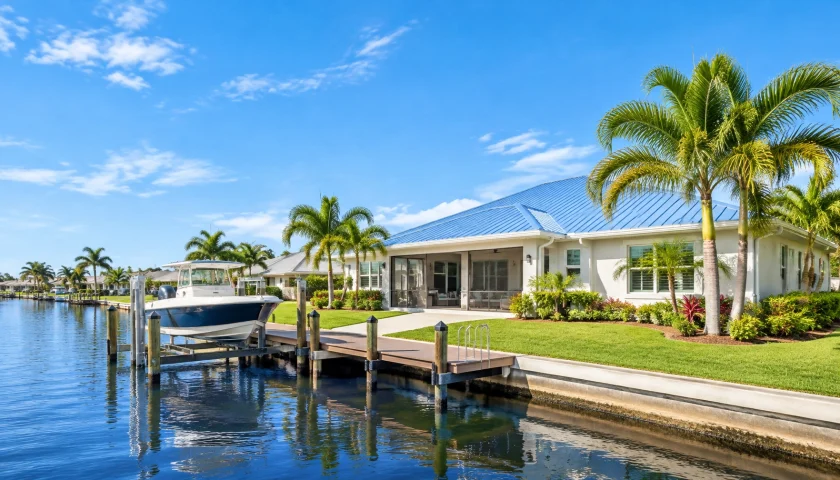
Its location near the Caloosahatchee River makes boating a major attraction. Depending on the property and route, boaters can head toward San Carlos Bay and the Gulf. Check the actual water route for any home you consider: “waterfront” alone doesn’t tell you whether the canal is saltwater, how long the trip to open water takes, or whether bridges and other restrictions affect your boat.
The trade-off for an amenity-rich setting can be more complex association costs. A property may have a master association as well as a building- or neighborhood-level association. Review the current budgets, rules, rental restrictions, insurance, and any planned assessments for the specific unit or home, not just the community name.
Best fit: Buyers looking for a higher-end marina atmosphere, waterfront views, and a range of condo and home options.
Cape Harbour: a marina community with a social feel

Cape Harbour is built around a marina and a lively, walkable hub of dining, shopping, and community amenities. It has a mix of condominiums, coach homes, and single-family properties, making it worth exploring whether you want a lock-and-leave home or more private space.
For buyers who enjoy having restaurants and marina activity nearby, that concentration of amenities is a real draw. It can also mean a different cost structure than a stand-alone house elsewhere in Cape Coral. Association fees and responsibilities can vary by building and section, so check what dues cover and whether additional associations apply. The fees are part of the monthly housing budget, alongside insurance, taxes, and maintenance.
Waterfront properties here can offer boating access, but access and trip details vary by home. Confirm the canal type, route, bridge clearances, dock condition, and any applicable rules before treating a property as a fit for your boating plans.
Best fit: Buyers who value a community atmosphere, marina access, and nearby dining and amenities, and who are comfortable reviewing association costs carefully.
Yacht Club area: established character and a changing public waterfront
The Yacht Club area offers an established southeast Cape Coral setting, with a mix of older homes, renovated properties, and newer construction. Its public waterfront is a key part of the neighborhood story, but the Yacht Club Community Park is still being redeveloped after Hurricane Ian.
The City of Cape Coral describes the project as phased. In its Yacht Club Community Park updates, the City says Council directed staff to proceed with Phase 2, including the fuel system, civil site work, and beach amenities. The City also notes that funding for the complete project has not yet been determined. For buyers, the important point is to view the redevelopment as an active project, not a finished amenity with a guaranteed timeline.

A property near the park may appeal to someone who wants an established location and is comfortable with the uncertainty and disruption that can come with phased construction. Homes in this area vary widely, so pay close attention to the condition of the structure, documented post-storm repairs, and the specific waterfront access.
Best fit: Buyers drawn to the area’s established character and public waterfront, who are willing to follow project updates and do careful property-level due diligence.
Pelican: flexibility and a wide range of home styles
Pelican is a large southwest Cape Coral area rather than a single, uniform subdivision. That’s part of its appeal: buyers can find inland homes, freshwater canal properties, and gulf-access homes, with a range of ages and price points. It is also close to both Cape Harbour and Tarpon Point, as well as local shopping and dining.
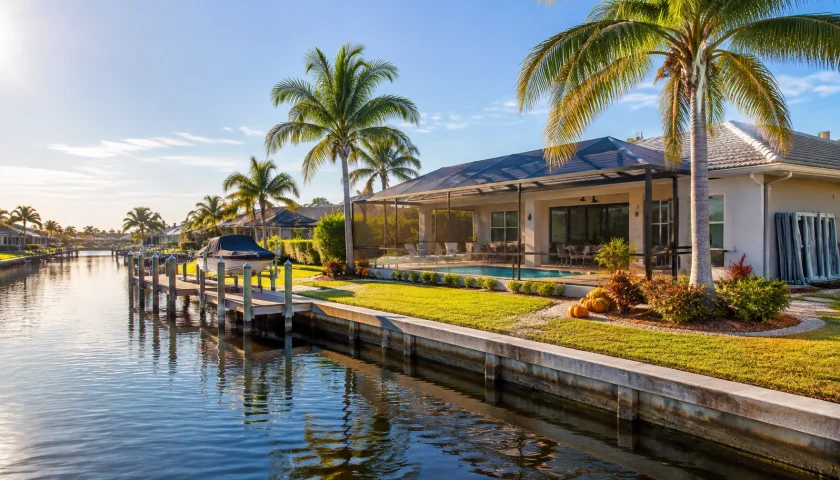
Because the area is so varied, compare properties street by street. A freshwater canal can offer a water view and a place to enjoy the outdoors, but it does not mean direct saltwater boating. A gulf-access canal may offer a route toward the river and Gulf, but the route, bridge clearance, seawall, dock, and distance to open water all matter. These differences can have a major impact on value.
Pelican may appeal to buyers who want more choice than a tightly defined marina community offers. Some homes may have fewer association obligations, but don’t assume every property is free of HOA or condo fees. Verify the rules and costs for the exact address.
Best fit: Buyers who want to weigh a broad mix of home types and water-access options, and are prepared to compare the details rather than rely on a neighborhood label.
What drives the price of a Cape Coral waterfront home?
“Waterfront” can mean very different things here. A freshwater canal, a gulf-access canal, a river-facing location, and a marina-front condo each offer a different experience and level of boating convenience.
Saltwater access can command a premium, but not all gulf-access properties are equal. The practical value depends on the navigable route, bridge clearance, canal and seawall condition, dock and lift, and time to open water. A freshwater canal may cost less and suit buyers who want the view or a peaceful backyard setting without boating to the Gulf. Compare the property’s actual features, not just the listing description.
Association fees also affect the overall cost. Marina-oriented communities may have multiple layers of association governance, while detached homes elsewhere may have fewer shared expenses. Read the documents, review budgets and rules, and ask about pending or recent assessments before making a decision.
Flood zones and property due diligence
Flood risk is property-specific, not something to infer from a neighborhood name or a canal view. Before making an offer, look up the address in the City’s flood protection resources and its Forerunner flood information portal. The City’s resources include flood-zone and elevation information, and explain that lower mapped risk does not mean no flood risk.
For a waterfront property, ask about the elevation certificate, prior flood claims, insurance options, drainage history, and permitted post-storm repairs. Arrange appropriate inspections of the seawall, dock, and boat lift. A lender or insurer can help clarify coverage requirements and costs for the specific property.
Find the neighborhood that fits your life
Start with the lifestyle you want: Tarpon Point for an upscale marina setting, Cape Harbour for a lively amenity-centered community, the Yacht Club area for established surroundings near a changing public waterfront, or Pelican for a broad range of homes and water-access options.
Then compare individual properties on the details that affect both daily life and long-term cost: canal type, boating route, association rules and fees, flood information, insurance, and waterfront infrastructure. Asking-price medians offer a starting point, but the right comparison is between homes with similar features.
RE/MAX Realty Team serves buyers across Cape Coral and Southwest Florida with more than 100 agents and deep local knowledge. Explore available Southwest Florida properties or connect with the team to discuss your search.
Takeaway: The best Cape Coral neighborhood is the one that matches how you want to live, and the best home is the one whose water access, costs, condition, and risks you’ve verified address by address.