Uncategorized
In September, 23.9% of active Fort Myers listings and 20.9% of active Cape Coral listings had already been listed within the prior 12 months, according to Worthington Realty’s analysis of Florida Gulf Coast MLS data, reported by Gulfshore Business. In plain terms, roughly one in four Fort Myers listings and one in five Cape Coral listings had made an earlier attempt to sell.
That raises a fair question for buyers: If the home didn’t sell last time, what should I make of it now?
A second attempt isn’t a warning label. It is a clue. The key is figuring out whether the seller has corrected the issue that stalled the first listing, or simply put the same home back on the market with a fresh presentation.
What a relisting can tell you
A home may come off the market for many reasons. Sometimes the seller needed a break or circumstances changed. But when a property returns, it’s worth asking what happened the first time.
Often, the first attempt was priced against the wrong comparison set. In other cases, a buyer’s inspection raised concerns, insurance or association costs surprised someone, or the property has features that narrow its buyer pool. A few homes are genuinely more challenging to sell because of condition, layout, location, access or maintenance needs.
Relisting rates in nearby markets were also substantial in September: 27.4% in Bonita Springs, 25.5% in Naples and 25% in Estero. The same report found that relisted homes generally took longer to go under contract. In Naples, for example, the median was 246 days for relisted homes, compared with 78 days for first-attempt listings. That comparison isn’t a forecast for an individual Cape Coral or Fort Myers property, but it underscores why looking beyond the current listing date matters.
This is especially useful now, as seasonal and out-of-state buyer traffic picks up heading into winter. A home that has been overlooked may be worth another look, particularly if its price or condition has changed. It also gives you a sharper way to read any cape coral market update 2026 numbers you come across: listing history tells you what happened at one specific address, not just what the citywide average did.
Cape Coral’s canal tiers make the right comps essential
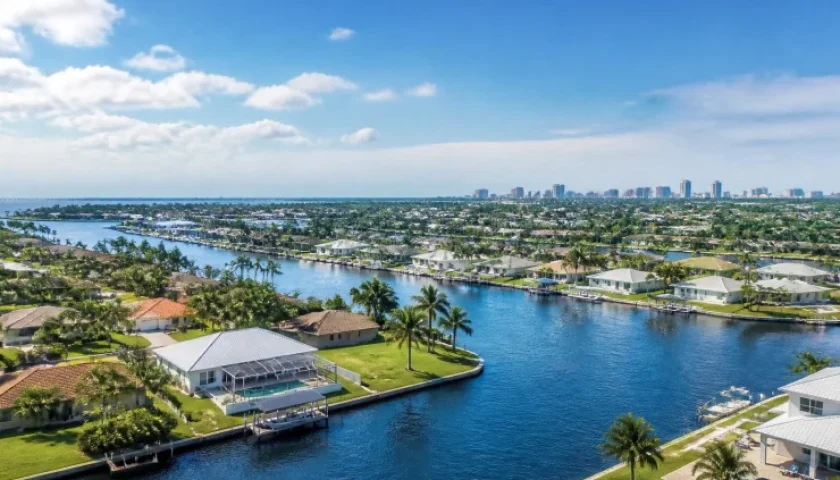
In Cape Coral, “the city’s median price” doesn’t tell you enough to judge a specific home. Whether a property is on a canal, what kind of access it has, and what it offers can place it in a very different pricing tier from a home inland.
Trailing 90-day single-family figures available in mid-September illustrate the gap:
| Cape Coral property group | Median list price | Median sold price | Median days on market |
|---|---|---|---|
| All single-family homes | $399,900 | $390,000 | 49 |
| Off-water homes | $350,000 | $345,000 | 44 |
| Gulf-access homes | $750,000 | $725,000 | 64 |
The median sale-price difference between the gulf-access and off-water groups is about $380,000. Their typical sizes and prices per square foot also differ: the median off-water home was 1,715 square feet at $206.84 per square foot, while the gulf-access median was 2,100 square feet at $346.18 per square foot.

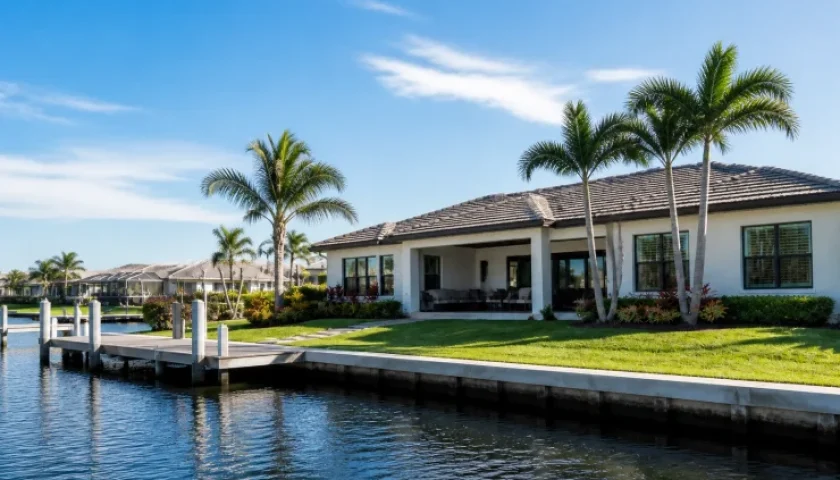
That’s why comparing a gulf-access home with an inland property simply because both are in Cape Coral can lead to a misleading price conclusion. Waterfront buyers may also weigh canal route, boating access, dock and seawall condition, insurance costs and other property-specific details.
When reviewing SWFL waterfront homes, ask whether the comparable sales share the same kind of water access and similar features. For an off-water home, look for comparable off-water homes. A listing can sit because its asking price is out of line, even if that price seems reasonable beside a very different type of property. This is one of the most important details behind local Fort Myers real estate trends too: broad market averages can be useful context, but they don’t replace a relevant comp set.
New construction gives buyers another comparison
The other major source of pricing pressure is new construction. In Lee County, the July 2026 median closed price for new homes was $338,000, compared with $361,000 for resale. Roughly 34% of active Cape Coral listings were new construction, versus about 8% in Fort Myers. As of October 20, the median list price for Cape Coral new homes was around $356,888.
Builders have also been offering incentives such as rate buydowns and closing-cost credits. That can make a resale home harder to sell if it’s priced near a new home but needs updates, or if the builder’s incentives make the monthly payment or upfront costs look more attractive.

A resale home may still be the better fit. It could have mature landscaping, a completed pool, established neighborhood surroundings or features that are difficult to match in a new build. But compare the full package, not only the asking price. When a resale listing returns at a similar number without addressing condition or the builder’s incentives, it may not have changed enough to attract the buyers who passed the first time.
For light regional context, the September 2026 Cape Coral–Fort Myers MSA median sale price was around $375,500, according to Florida Realtors and FGCU RERI data, whose official monthly figures typically lag by about a month.
How to read a home’s listing history before you offer
A refreshed listing can make a home look newly available. Before deciding whether it’s a good opportunity, ask your agent to help you look at the full timeline.
- Request the full MLS history. Ask for previous list prices, listing dates and cumulative days on market across attempts. The current listing’s days alone may not show how long buyers have been seeing the home.
- Ask what changed at relaunch. Did the seller adjust the price, complete repairs, improve presentation, update disclosures or change terms? “Back on the market” is not the same as “meaningfully improved.”
- Find out why the previous listing ended. It could have been a seller decision, a change in circumstances or an issue that arose during an earlier transaction. A history can prompt questions, but it doesn’t establish the reason by itself.
- Request prior inspection information. Ask whether the seller has an earlier inspection report or repair records. These documents may help focus your own due diligence; they don’t replace an inspection of your own.
- Ask about insurance quotes. If the seller obtained homeowners or flood insurance quotes, ask whether they are available. Treat them as a starting point and get your own property-specific quotes.
- Check whether the price changed or the listing restarted. A lower price shown on a new listing may reflect a relaunch rather than a simple price cut from the previous listing. Compare both versions of the price history.
- Verify total carrying costs. Check the flood zone, insurance, HOA or CDD costs, and any other recurring fees before assuming the lower asking price makes the home affordable.
For flood-zone information, start with the FEMA Map Service Center, then confirm details with your lender and insurance professional. If you’re comparing homes with association costs or new-construction incentives, build those into the same monthly-cost comparison.
A quick note for sellers: relaunches need a real change
A new listing date won’t, on its own, fix the reason buyers passed. If a home returns at a similar price with the same condition, limited disclosures or unchanged terms, buyers may see the relaunch as more of the same. Meanwhile, the property can continue accumulating market exposure.
Before relaunching, review feedback and compare the home with the right tier: canal access against similar canal-access sales, off-water against off-water, and resale against the new construction buyers can actually choose today. A thoughtful change in price, presentation, condition or terms can give a second attempt a clearer purpose.
Takeaway: a second attempt is information, not a warning label
A relisted Cape Coral or Fort Myers home could be a good opportunity, or it could still have the same pricing or due-diligence issues that slowed it down before. The history helps you tell the difference. Look at the full timeline, compare like with like, and investigate the costs and condition that matter to your plans.
RE/MAX Realty Team’s 100+ agents, two local offices and experience as the region’s #1 producing brokerage for 14+ years give buyers access to deep local perspective when assessing a property’s history. Browse homes for sale or contact the team at swflhomestoday.com.