Uncategorized
Getting an offer accepted is a big milestone, but it’s the start of the closing process, not the finish line. Between contract and keys, buyers, sellers, lenders, inspectors, and a title company work through a series of deadlines and checks.
In Lee County, a financed purchase often takes about 30–45 days from the executed contract to closing. A straightforward cash purchase may take two to three weeks, though title issues, association paperwork, permits, or insurance can add time. Your signed contract controls the actual dates, so treat the timeline below as a guide and confirm every deadline with your real estate professional.
1. The contract takes effect, and the clocks start
The contract’s Effective Date is the starting point for many deadlines. Make sure you know the date and the agreed closing date, then keep a written calendar of inspection, deposit, loan, survey, and other due dates.
Next, deliver the initial deposit to the escrow holder named in the contract, often a title company, by the stated deadline. The escrow holder keeps the funds in its trust account and applies them at closing according to the contract. Your agent can help confirm where and how to send the deposit safely.
If you’re financing, contact your lender promptly and provide requested documents. Avoid making major financial changes, such as opening a new credit account or moving large sums without being prepared to document them. Those changes can complicate underwriting.
2. Use the inspection period to investigate the property
A common inspection period is 15 days, but the contract sets the deadline. Book inspections early enough to review the findings and decide how to proceed before that period expires.
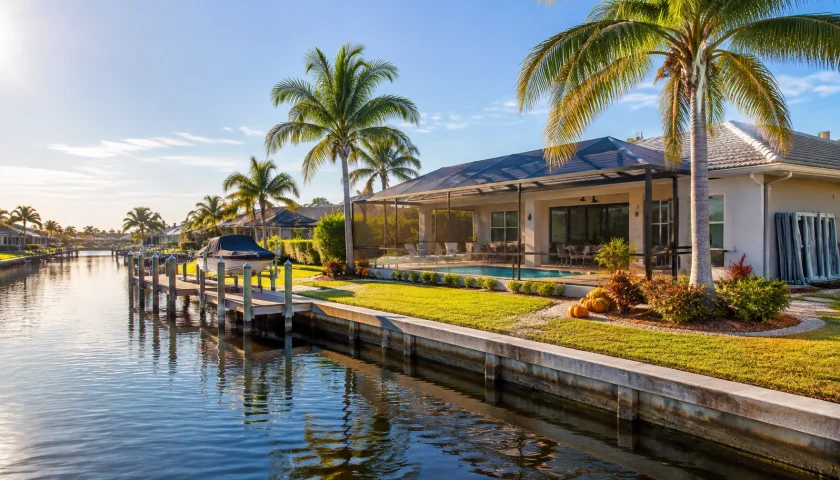
Along with a general home inspection, consider what matters for the specific property. In Cape Coral and Fort Myers, that may include the roof, HVAC, plumbing, electrical systems, pool, seawall, dock, boat lift, drainage, and evidence of water intrusion. Your inspector may recommend additional specialists.
An inspection is also a chance to ask questions and understand upcoming maintenance, not just identify deal-breakers. Any repair requests or decisions about moving forward should be handled within the contract’s terms and deadlines.

3. The title company checks the property’s records
Florida is commonly described as a title state: a title company or other closing agent typically coordinates the closing, and buyers don’t generally need an attorney present at the table. You may still choose to consult an attorney for legal advice.
The title search examines public records for issues that could affect ownership, such as existing mortgages, liens, judgments, easements, or other recorded interests. The closing agent then works through the title commitment and any items that need to be resolved before transfer.
In parallel, the agent may order a municipal lien or permit search. That can help identify open permits, code matters, utility balances, or assessments that need attention. If a title issue needs to be cleared, the parties may need more time, so it’s better to find out early.
A survey can help clarify property lines and visible improvements. It’s especially useful for waterfront homes or properties with fences, pools, additions, seawalls, or docks. The contract may require the survey to be delivered at least five days before closing; confirm the exact requirement in your paperwork.
4. Request association and CDD information early
If the home is in an HOA or condominium community, the closing agent will need current association information, often through an estoppel certificate. It lists amounts and other account details relevant to the closing. Florida law generally gives an association up to 10 business days to provide an estoppel after a request, but management companies may take five to 15 business days in practice. Ask for it as soon as the contract is effective: waiting can hold up closing.
An HOA or condo estoppel is not the same as a CDD disclosure or assessment payoff. Some Cape Coral communities have Community Development District assessments that involve a separate step. Ask which association or district documents apply to the property and have the closing agent clarify any amounts or requirements.
5. The lender works through appraisal and underwriting
For a financed purchase, the lender orders an appraisal and reviews your income, assets, debts, the property, and any remaining loan conditions. A common contract deadline for loan approval is 30 days, but your contract and lender’s schedule matter.
Once the lender is satisfied, it issues the approval needed to prepare for closing. That doesn’t mean every task is finished: the lender may still need final documents or updated information. Respond promptly and keep your lender informed if anything changes.
Flood insurance is another timing item. If the lender requires a policy, it must be in place before closing. If an elevation certificate is needed, getting one can take five to 10 days, so don’t leave the question until the final week. Ask your lender and insurance agent what applies to the specific property and when coverage must begin.
6. Review final details and prepare for the closing appointment
As closing approaches, the title agent coordinates the deed, loan documents, payoff information, association details, prorations, and final figures. In Lee County, sellers customarily pay for the owner’s title insurance policy and documentary stamps on the deed; buyers generally pay documentary stamps and intangible tax tied to a new mortgage. These are local customs, not rules that override the contract, so confirm the agreed allocation and final statement with your closing agent.
Plan a final walk-through shortly before closing, often the day before or the day of. Check that the home is in the expected condition, agreed repairs are complete, and items included in the sale are still there. The walk-through is not a substitute for the inspection; it’s a last check before the transfer.
Many Southwest Florida buyers live elsewhere and close remotely. A mail-away closing or mobile notary may be possible, depending on the documents, lender, title company, and timing. Arrange it well in advance.
What can delay a Cape Coral or Fort Myers closing?
Slow estoppel paperwork: Associations and management companies don’t all work at the same pace. Request documents immediately and follow up before the last week.
Unpermitted work: Screen enclosures, converted garages, and additions without the required permits can raise questions for a lender or insurer. Resolving permit issues may take months. Sometimes the parties and lender can agree to an escrow holdback, often with a 15–25% buffer above contractor estimates, to allow closing while work is completed. This is not automatic; it requires agreement and lender/title approval.
Flood-insurance timing: A required policy or elevation certificate can take time to arrange. Start with the lender and insurance agent early rather than assuming it can be handled at the closing appointment.
Wire fraud: Never trust wiring instructions simply because they arrived by email. Call the title company using a phone number you found independently or already verified and confirm the details verbally before sending funds. Treat any emailed change to wiring instructions as a potential fraud attempt. This is particularly important for buyers wiring a down payment from out of state or overseas.
7. Sign, fund, record, and get the keys
At closing, the buyer signs the loan and transfer documents, and the seller signs documents needed to convey the property. The closing agent verifies that required funds have arrived and coordinates with the lender. In Florida, the deed and mortgage are typically submitted electronically to the Lee County Clerk’s Official Records; recording may happen at signing or within the next one to three business days.
Keys and possession are handled according to the contract. They’re commonly released once funds are received and the closing agent authorizes the handoff, but confirm the arrangement rather than assuming that signing alone means you can move in.

A quick buyer checklist
- Confirm the Effective Date, closing date, and every contract deadline.
- Deliver your deposit as instructed and keep the receipt.
- Schedule inspections early and review findings before the deadline.
- Apply for financing promptly and respond to lender requests.
- Ask about flood insurance, association documents, CDD assessments, and permits.
- Order a survey if needed and meet the contract deadline.
- Verify wiring instructions by phone using an independently sourced number.
- Review final figures, complete the walk-through, and confirm when keys will be released.
The process is manageable when you know what’s due and who is handling each step. RE/MAX Realty Team’s 100+ agents and two local offices support buyers throughout Cape Coral, Fort Myers, and surrounding communities, backed by more than 14 years as the region’s #1 producing brokerage. If you’re planning a move, connect with Cape Coral real estate agents or visit SWFL Homes Today to get started.
The takeaway: An accepted offer starts a coordinated process, not a countdown you have to manage alone. Keep deadlines visible, raise questions early, and verify funds and paperwork with the professionals handling your closing.