

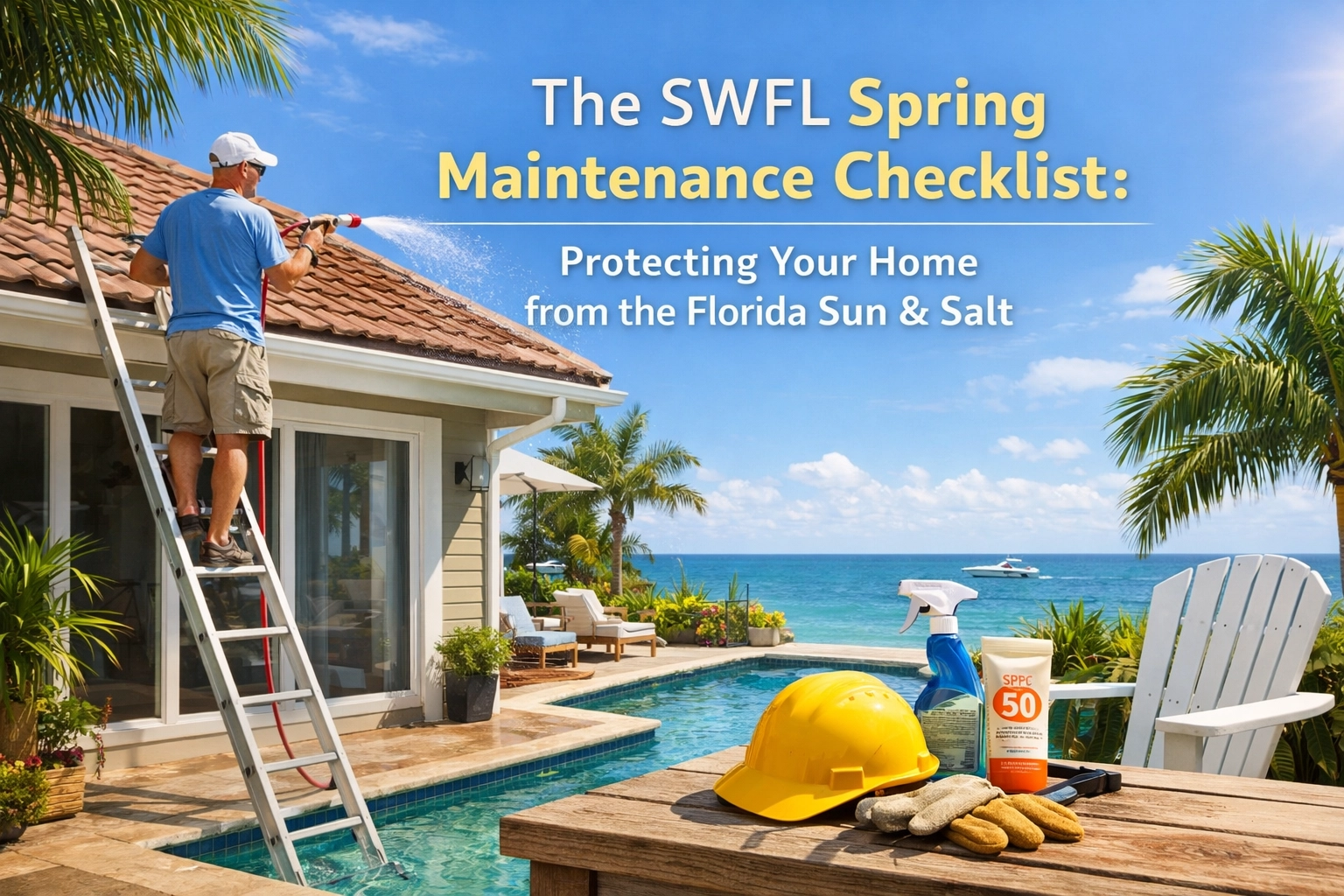
Let's be real, spring maintenance in Southwest Florida is a completely different animal than the rest of the country. While folks up north are worried about thawing pipes and clearing dead leaves, we're over here battling relentless UV rays, salt air corrosion, and the pre-hurricane season countdown clock.
If you've lived in Cape Coral, Fort Myers, or anywhere in SWFL for more than five minutes, you already know: this climate doesn't mess around. The sun bleaches everything, the humidity invites mold to the party, and that beautiful Gulf breeze? It's delivering a steady dose of salt that eats away at metal, paint, and anything else it can touch.
March and April are your golden window to get ahead of the chaos before summer heat cranks up and hurricane season rolls in. Here's your no-nonsense checklist to keep your home protected, efficient, and ready for whatever Florida throws at it.
Start at the Top: Your Roof
Your roof takes the brunt of Florida's punishment, baking sun, afternoon storms, and the occasional flying debris from your neighbor's untrimmed palm tree. Spring is the time to give it a serious inspection before the summer storms arrive.
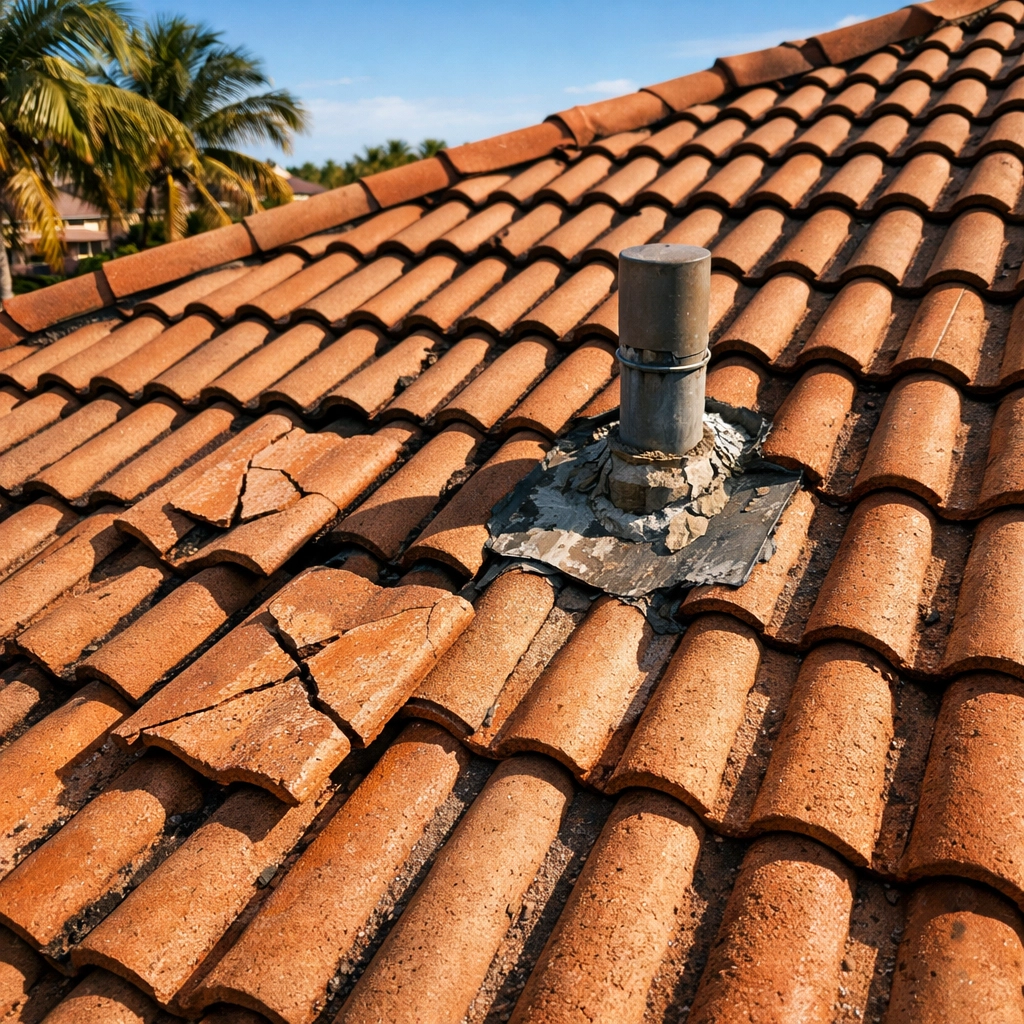
Walk around your property and look up. Are there missing, cracked, or curling shingles? Any signs of wear around the flashing near vents, chimneys, or skylights? Even small gaps can turn into major leaks once the daily afternoon downpours start in June.
Don't forget to check your attic for water stains, discoloration, or that telltale musty smell that screams "we have a problem." If you're not comfortable climbing around up there, hire a professional roofer for a spring inspection, it's a $150-$300 investment that can save you thousands in water damage repairs down the line.
While you're inspecting the roof, clean out those gutters. I know, it's nobody's favorite task, but clogged gutters in SWFL turn into mosquito breeding grounds and overflow disasters during heavy rain. Make sure downspouts are directing water at least 3-5 feet away from your foundation.
Show Your AC Some Love (Before It Quits on You)
Here's a fun fact: your air conditioner is about to work harder than a tourist trying to parallel park on Fort Myers Beach during spring break. If you haven't serviced it yet, now's the time.
Start simple, change your air filter. In Florida's dusty, humid climate, you should be swapping filters every 30-60 days, not the 90 days the package suggests. A dirty filter makes your system work harder, jacks up your electric bill, and shortens the lifespan of your unit.
Head outside and check your condenser unit. Clear away any leaves, grass clippings, or debris that's accumulated around it. Trim back any bushes or plants within two feet of the unit, it needs airflow to do its job efficiently.
But here's where most homeowners stop, and they shouldn't. Schedule a professional HVAC tune-up before May hits. A tech will check refrigerant levels, clean the coils, test electrical connections, and catch small issues before they become expensive breakdowns in the middle of a 95-degree July afternoon. Trust me, you don't want to be on a two-week wait list when your AC dies during peak season.
Battle the Salt Air (It's Everywhere)
If you live anywhere near the water in Cape Coral or Fort Myers Beach, salt air is slowly attacking your home. It's not dramatic, it's a slow, steady process of corrosion that catches people off guard.
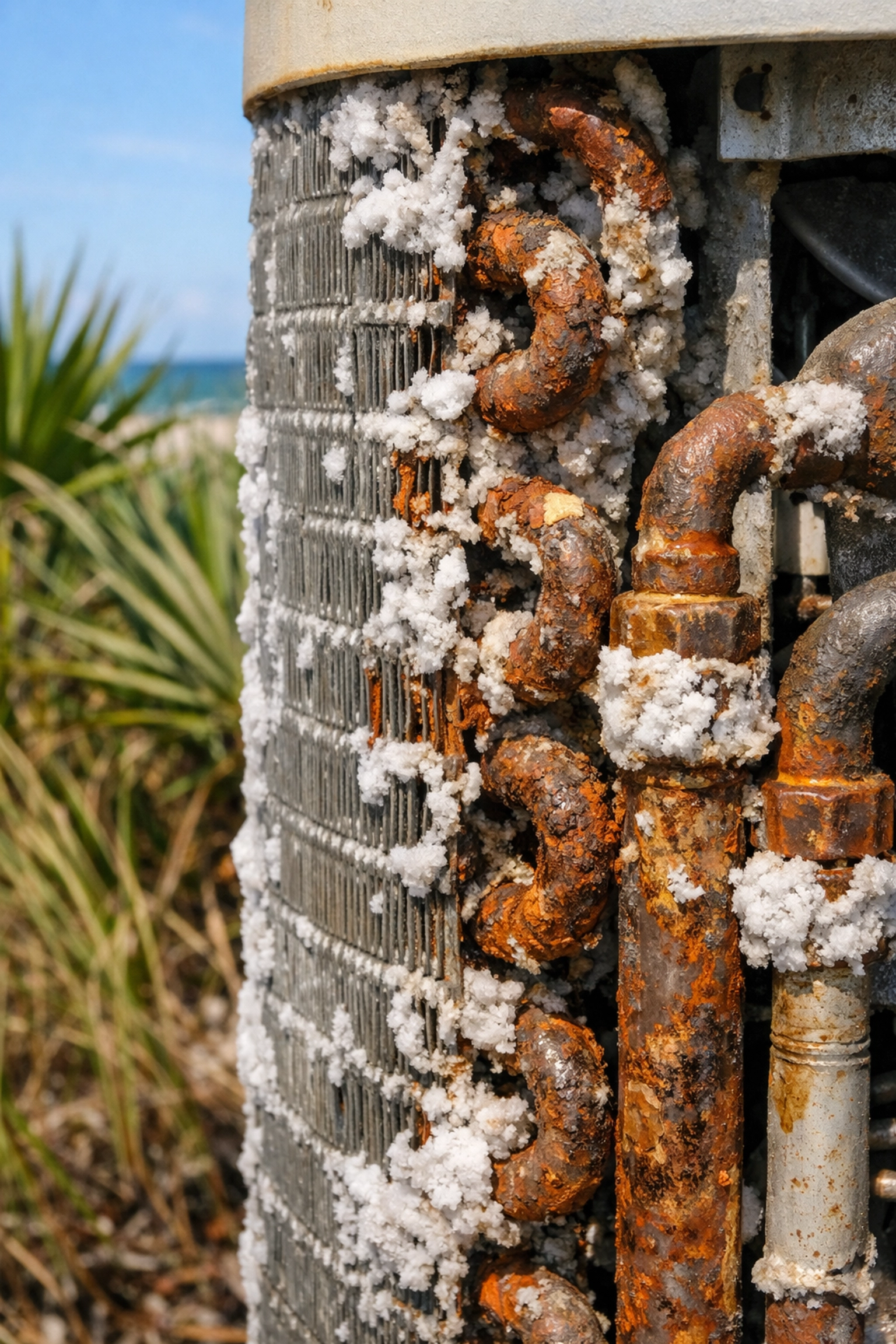
Walk around your property and inspect any metal fixtures: door hinges, outdoor light fixtures, mailbox hardware, pool equipment, and especially your AC unit. Look for rust, white crusty buildup, or pitting. Catch it early, and you can clean it off with vinegar or a saltwater neutralizer. Ignore it, and you'll be replacing expensive equipment.
Check your home's exterior paint and caulking. The combination of UV rays and salt air breaks down paint faster here than almost anywhere else in the country. Look for cracking, peeling, or fading, especially on the south and west sides of your home that get hammered by afternoon sun. Touch up paint now before moisture sneaks behind it and causes rot or mold.
Stucco homes (which is most of us in SWFL) need special attention. Look for hairline cracks that can let water seep behind the surface. Small cracks turn into big problems during the rainy season, so seal them with exterior caulk or call a professional if the damage looks extensive.
Windows, Doors, and Keeping the Cool Air In
Florida's humidity will find every gap in your home's envelope. Check the caulking and weather stripping around all your windows and doors. If you can see daylight or feel air movement, you're literally air-conditioning the outdoors.
Test your windows for condensation between the panes. If you're seeing fog or moisture that won't wipe away, the seal has failed and those windows are losing efficiency. Replacement isn't cheap, but the energy savings add up fast in our climate.
And while you're at it, test your hurricane shutters if you have them. Make sure everything opens, closes, and latches properly. You don't want to discover broken hardware in the middle of a tropical storm watch when Home Depot is sold out of everything.
Drainage and Landscaping: The Boring Stuff That Matters
Poor drainage is one of the top issues realtors in Cape Coral see during home inspections. After a heavy rain, walk your property and look for standing water, erosion, or areas where water is pooling near your foundation.
Adjust your irrigation system for spring. We're getting more rain now, so dial back your sprinklers to avoid overwatering (and wasting money). Check for broken sprinkler heads or leaks in the system while you're at it.

Trim back trees and remove any dead or weak branches that could become projectiles during a storm. Palm fronds, in particular, turn into dangerous flying debris in high winds. If you have large trees close to your home or power lines, consider hiring a professional arborist, this isn't the place to DIY if you're not experienced.
Pest Prevention: Because They're Coming
Warmer weather means one thing in Florida: bugs. Lots of them. Ants, roaches, mosquitoes, and the big one, termites.
Do a quick walk around your home's foundation looking for mud tubes running up the walls. These pencil-thin tunnels are a dead giveaway of subterranean termites, and they cause billions in damage nationwide every year. If you spot them, call a pest control company immediately.
Seal gaps around doors, windows, utility penetrations, and anywhere pipes enter your home. A little spray foam or caulk goes a long way in keeping pests outside where they belong.
Clean out gutters (yes, again) because standing water breeds mosquitoes. Same goes for any containers, plant saucers, or kiddie pools sitting around your yard.
Safety Systems: The 10-Minute Check
Replace batteries in your smoke detectors and carbon monoxide detectors. Test them to make sure they're actually working: most people haven't tested theirs since they moved in.
Check your GFCI outlets in bathrooms, kitchens, garages, and outdoor areas. Press the "test" button: it should trip. Then press "reset": it should pop back out. If it doesn't work properly, you've got an electrical safety issue that needs fixing.
Inspect outdoor electrical outlets and fixtures for corrosion. Salt air and humidity are brutal on electrical connections, and corroded outlets are a fire hazard.
When to Call in the Pros
Look, I get it: DIY saves money. But some things are worth hiring out, especially if you're not confident in your skills or don't have the right tools.
If you're seeing significant roof damage, major cracks in your stucco, HVAC issues beyond a filter change, electrical problems, or signs of termites, bring in licensed professionals. Cape Coral real estate agents will tell you that deferred maintenance is one of the biggest value-killers when it's time to sell. Catching problems early and fixing them right protects your investment.
The Bottom Line
Spring maintenance in SWFL isn't optional: it's survival. The sun, salt, and humidity are constantly working against your home, and a little preventive care now saves you from expensive emergency repairs later.
Block out a weekend, work through this checklist, and you'll sleep better knowing your home is ready for whatever the next six months throw at it. Your AC will run more efficiently, your roof won't leak during afternoon storms, and you won't be scrambling to prep when the first tropical system spins up in the Gulf.
And if you're thinking about buying or selling in Cape Coral or Fort Myers and want to know what maintenance red flags to watch for, reach out to experienced realtors in Cape Coral who understand how these homes hold up in our unique climate. The right real estate agent can spot deferred maintenance issues during showings that might cost you thousands down the road.
Now get out there and show your home some love: before it's 95 degrees and you're sweating through your shirt just checking the mailbox.