


Let's cut straight to it: SWFL waterfront homes can absolutely be worth the investment in 2026, but only if you know what you're getting into. Gone are the days when you could buy any waterfront property, sit back, and watch the equity roll in. The game has changed, and the buyers who win are the ones who understand the full financial picture before they fall in love with a sunset view.
The Timeless Appeal (It's Still Real)
Here's the thing, waterfront property in Southwest Florida has something most real estate doesn't: genuine scarcity. There's only so much Gulf frontage to go around. Communities like Sanibel, Captiva, Cape Coral, and Naples aren't making more beachfront. That limited supply creates a natural floor for long-term value.

And let's be honest, people aren't moving to SWFL for the traffic. They're coming for the lifestyle. Whether it's retirees escaping state income taxes, second-home buyers looking for a winter escape, or boating enthusiasts who want their boat in the backyard, the demand drivers are as strong as ever. The demographics tell the story, affluent buyers continue relocating here for tax advantages, year-round sunshine, and direct water access.
In markets like Naples and Marco Island, cash buyers are still treating waterfront homes as lifestyle assets, not just investment plays. These folks aren't sweating interest rates or monthly payments, they're buying a way of life.
The Elephant on the Dock: Insurance Costs
Now for the reality check. If you're serious about SWFL waterfront homes in 2026, you need to talk about insurance, because it's no longer just a line item on your budget. It's the defining factor in whether waterfront ownership makes sense for you.
Direct Gulf-front homes are now carrying wind and flood insurance premiums between $12,000 and $25,000+ annually. Older waterfront homes? You could be looking at $15,000 or more. And that's just to keep the lights on and protect your investment from hurricanes.
Compare that to a non-waterfront home in the same ZIP code, where insurance might run $2,000–$4,000 annually, and you start to see why some buyers are pumping the brakes.

The Hidden Cost Stack Nobody Talks About
Insurance is the headline, but it's not the only cost that catches waterfront buyers off guard. Here's what else you're signing up for:
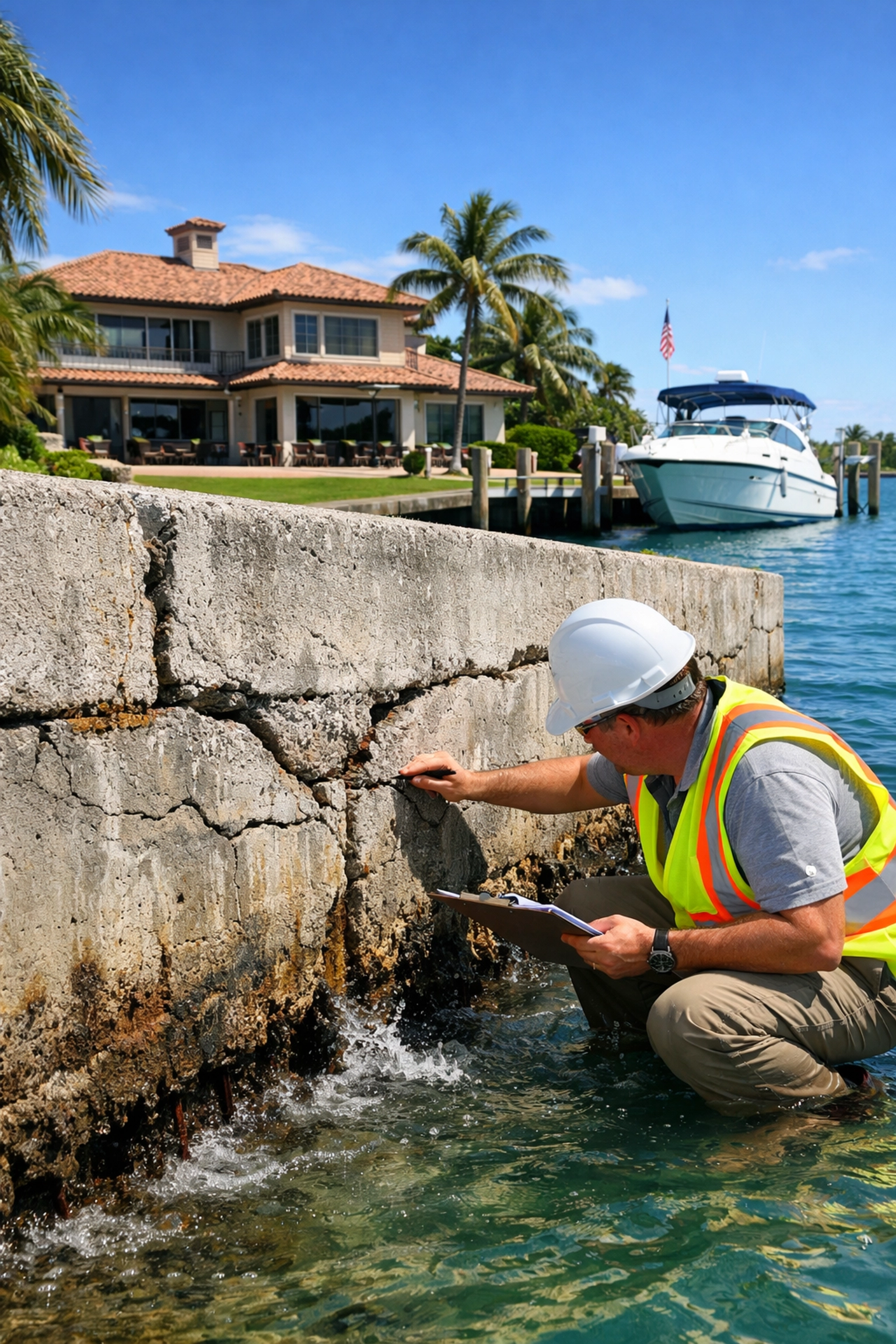
Seawall Maintenance: That concrete or vinyl barrier protecting your backyard from the canal? It needs replacing every 25–40 years at a cost of $30,000–$80,000. If the home you're buying has an aging seawall, congratulations, you just inherited a five-figure project.
Dock and Lift Maintenance: Between power washing, replacing boards, and servicing boat lifts, expect to spend $2,000–$6,000 annually keeping your dock functional and safe.
HOA Fees and Utilities: Waterfront communities often have higher association fees, and yes, your electric bill will be higher when you're running AC year-round in a larger home.
These aren't scare tactics: they're the real numbers you need to stress-test before you make an offer. Too many buyers stretch their budget to afford the home and then get crushed by the carrying costs.
Who Should (and Shouldn't) Buy Waterfront in 2026
Not every buyer is built for waterfront ownership right now. Here's the honest breakdown:
You're in a Strong Position If:
- You're a cash buyer or putting down 40%+
- You're planning to live there long-term (10+ years)
- You're a high-net-worth retiree who can absorb cost increases
- You're a luxury rental investor targeting prime vacation rental markets
You're at Higher Risk If:
- You're highly leveraged with less than 20% down
- You're a short-term flipper expecting quick appreciation
- You're stretching your debt-to-income ratio to afford the purchase
- You're banking entirely on appreciation without factoring in total monthly ownership costs
The waterfront market in 2026 doesn't forgive emotional decisions. If you fall in love with a sunset view but haven't run the numbers on insurance, seawalls, and maintenance, you're setting yourself up for stress.
Market Conditions Aren't One-Size-Fits-All
One of the biggest mistakes buyers make is treating "SWFL waterfront" as a single market. It's not. Each city and community has its own dynamics right now.
Cape Coral has been hit harder than most. Inventory surged past 3,400 active listings in mid-2025, and median home prices dropped 4.2%. That's classic buyer's market territory. The combination of oversupply and insurance shock has softened pricing considerably. But here's the flip side: if you're an investor looking for vacation rental income or long-term appreciation at a discount, Cape Coral waterfront might be one of the smartest plays in SWFL right now.
Fort Myers waterfront condos are facing their own pressures, particularly from HOA restructuring and special assessments on top of insurance increases. Condo buyers need to dig deep into reserve studies and financials before committing.
Naples and Marco Island are the exceptions. These high-end markets remain more insulated from pricing pressure. Days on market are rising slightly, but cash buyers and affluent retirees are still driving demand. If you're looking at waterfront in these areas, you're playing in a different league: one where lifestyle trumps ROI calculations.

Your 2026 Waterfront Buying Strategy
If you're still interested after all that (and you should be, if your finances line up), here's how to approach SWFL waterfront homes this year:
Get insurance quotes BEFORE you make an offer. Not after. Not during inspection. Before. Call three agents, give them the address, and get real numbers. This will either confirm you can afford it or save you from a costly mistake.
Prioritize elevation and newer construction. Homes built after 2010 on elevated lots will have significantly lower insurance premiums. It's worth paying more upfront to save thousands annually.
Inspect the seawall like your financial life depends on it. Because it kind of does. If the seller has deferred seawall maintenance, either negotiate a massive credit or walk away. You don't want to inherit someone else's $60,000 problem.
Stress-test your total monthly costs. Mortgage + insurance + taxes + HOA + maintenance reserve. Can you handle that comfortably? Now add 20% for inflation and surprise costs. Still comfortable? Then you're ready.
The Bottom Line
SWFL waterfront homes are worth the investment in 2026: but only for the right buyer with the right financial position and the right expectations. This isn't 2019 when you could buy anything with a dock and watch it appreciate 15% annually. The market now rewards buyers who understand insurance realities, elevation requirements, and long-term carrying costs.
If you're a cash-heavy buyer looking for lifestyle value and you can absorb the cost increases, waterfront remains one of the most desirable asset classes in Florida real estate. If you're stretching to afford the dream, take a step back and consider whether a non-waterfront home with access to community amenities might be the smarter play for now.
The waterfront lifestyle is real, and the long-term value is there: but in 2026, it comes with a price tag that demands serious financial planning. Do the homework, run the numbers, and make sure you're buying a dream you can actually afford to keep.
Ready to explore SWFL waterfront options that match your budget and goals? Let's talk real numbers and real opportunities: http://www.swflhomestoday.com