

There is something truly magical about living on the water in Southwest Florida. Whether it’s watching a manatee drift past your dock in Cape Coral or catching a world-class sunset over the Gulf in Fort Myers, the lifestyle is hard to beat. But if you’re new to the area or looking to make the jump from a dry lot to a canal-front property, there’s a lot more to think about than just the view.
As we move through 2026, the market for SWFL waterfront homes has evolved. We’re seeing more inventory, which gives buyers a bit more breathing room, but the technical details of waterfront living remain as complex as ever. To help you navigate these waters, we’ve put together 20 essential tips to get you started.
1. Understand the Three Main Property Types
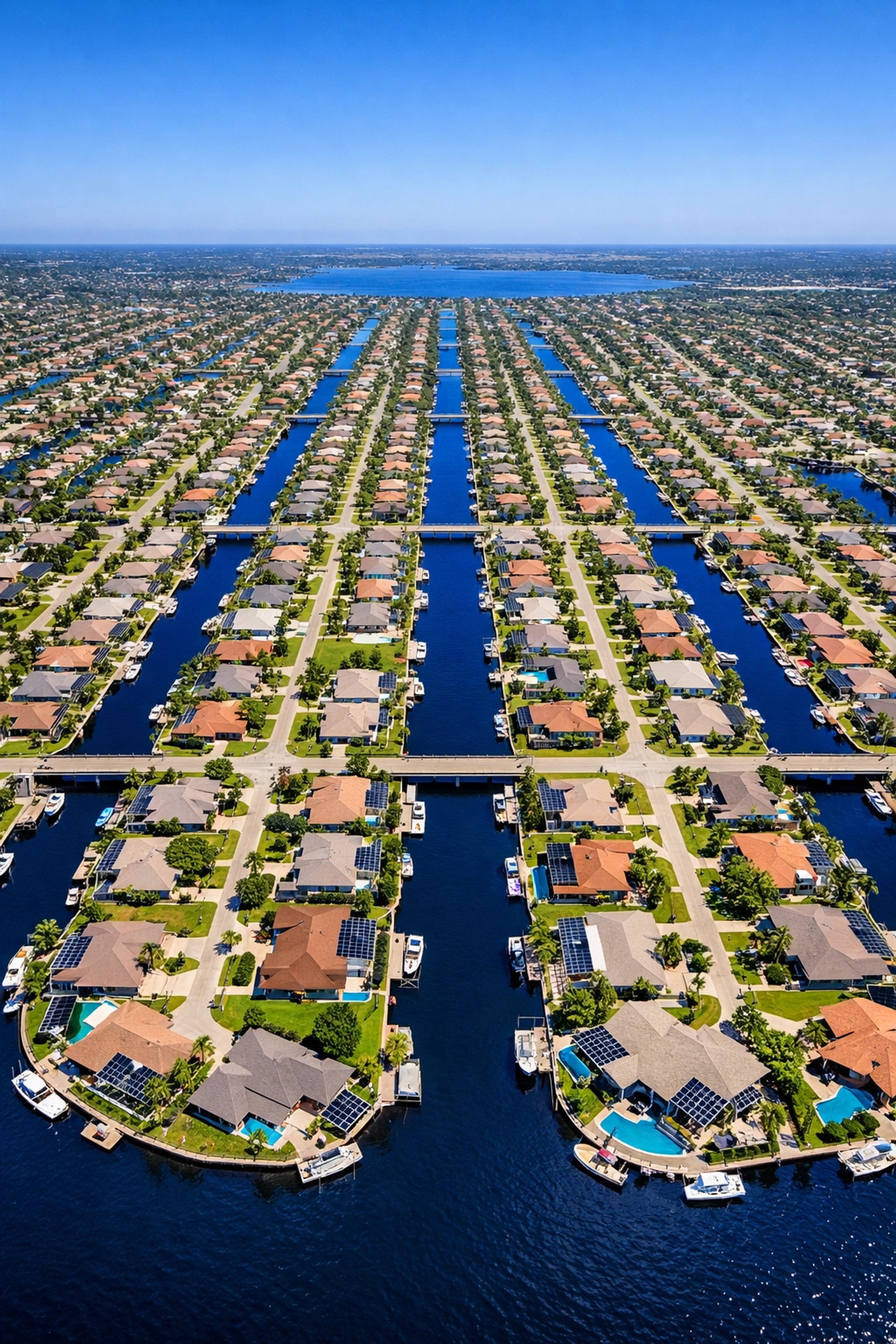
Not all waterfront is created equal. Gulf-front homes offer the most prestige and unobstructed views but come with higher price tags and insurance requirements. Bay-front or Intracoastal homes are often more protected from the direct surf but still offer great views and easy boating. Finally, canal-front homes (the bread and butter of Cape Coral) are usually the most affordable. They offer private docks and varying degrees of access to the open water.
2. Know Your Boat’s Specifications Before You Shop
One of the biggest mistakes buyers make is falling in love with a house before checking if their boat can actually get to it. You need to know your boat’s height (from the waterline to the highest point) and its draft (how deep it sits in the water). If you have a deep-draft sailboat or a tall sportfishing rig, your options will be significantly different than if you own a flat-bottomed skiff.
3. Research Bridge Clearance Requirements
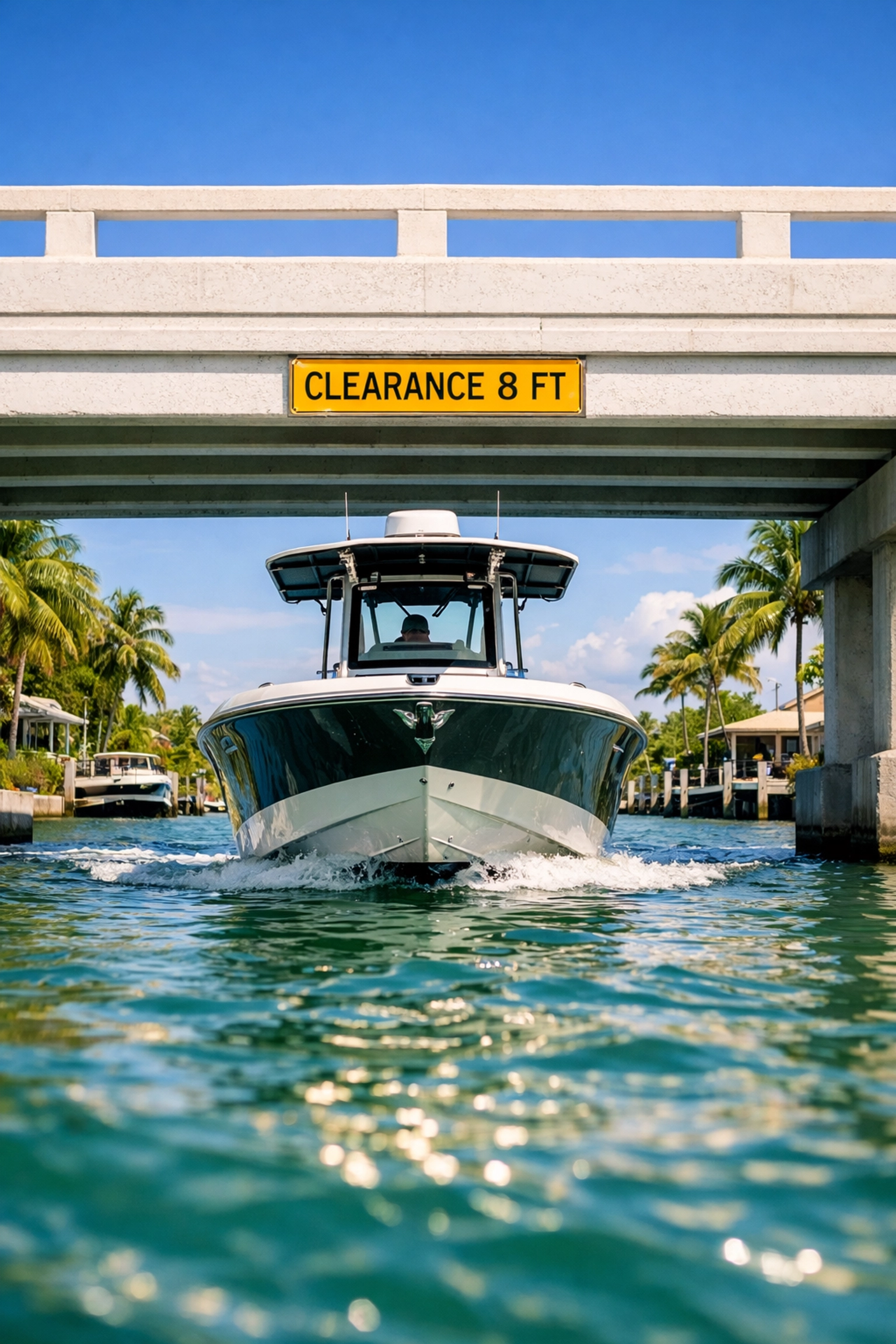
In SWFL, bridges are the gatekeepers. Low-clearance bridges (8–12 feet) are fine for small pontoon boats or jet skis. Mid-clearance bridges (12–18 feet) accommodate most center consoles and cruisers. However, if you have a sailboat or a large yacht, you’ll need a "sailboat access" property, which means there are zero bridges between your dock and the Gulf of Mexico.
4. Prioritize a Seawall Inspection
Inland, you worry about the roof. On the water, you worry about the seawall. Whether it’s concrete, vinyl, or wood pilings, the seawall is what keeps your backyard from becoming part of the canal. Repairing or replacing a seawall can cost tens of thousands of dollars. Always have a professional inspector check for cracks, "kick-outs" at the bottom, or sinkholes behind the cap.
5. Check Canal Depth at Low Tide
A canal might look deep and inviting at 10:00 AM, but what does it look like at low tide? Some canals in the older sections of Fort Myers or Cape Coral can get quite shallow. Ask the seller for specific measurements or, better yet, visit the property during a low tide to ensure you won't be grounded twice a day.
6. Verify Dock Permits and Condition
Just because there is a dock doesn't mean it’s legal. Florida has strict environmental regulations regarding docks and boat lifts. Ensure that any existing structures were properly permitted with the city and the Department of Environmental Protection (DEP). If you plan to build a new dock, check the setbacks; you can't always build as large as you might think.
7. Ask About Flood History
It’s a tough question, but a necessary one. Ask specifically about past flooding incidents, including major storms like Hurricane Ian. Understanding how a property performed during a surge will give you peace of mind: or a reason to keep looking.
8. Understand Flood Zones and FEMA Guidelines
Local areas like Sanibel, Captiva, and Fort Myers Beach have very strict building codes. If you are looking at an older home that needs a lot of work, you might trigger the "50% Rule," which requires you to bring the entire structure up to current FEMA elevation standards if renovation costs exceed 50% of the home's value.
9. Budget for Hurricane and Flood Insurance Early
Don't wait until you're under contract to get an insurance quote. Flood insurance premiums vary wildly based on the home’s elevation and the specific flood zone (like Zone AE or VE). For many SWFL waterfront homes, insurance can be a significant portion of the monthly carrying cost.
10. Select the Right Area for Your Lifestyle
Do you want peace and quiet, or do you want to be able to boat to a restaurant for lunch? Cape Coral is famous for its massive canal system, while Naples and Marco Island lean into luxury. If you’re looking for a community feel with amenities, look into gated communities in Cape Coral Florida that offer Gulf access, such as Cape Harbour or Tarpon Point.
11. Review Current Median Prices by Location
As of early 2026, Cape Coral remains one of the more accessible waterfront markets, with averages around $599,000 for canal homes. However, if you move toward the riverfront or into Naples, prices can quickly jump into the millions. Keeping an eye on current data at swflhomestoday.com will help you set a realistic budget.
12. Get Pre-Approved with a Local Lender
Waterfront financing isn't like financing a suburban ranch in the Midwest. Local lenders understand the nuances of coastal lending, insurance requirements, and how to value the water frontage itself. Having a pre-approval from someone who knows the SWFL market will make your offer much stronger.
13. Factor in the Full Cost of Ownership
The mortgage is just the beginning. You need to account for higher insurance, the cost of maintaining a boat lift, and HOA fees Cape Coral residents might pay in specialized waterfront developments. Additionally, the salt air is tough on everything: AC units, paint, and outdoor furniture will all require more frequent maintenance than they would inland.
14. Assess Property Construction for Weather Resilience
Look for "hardened" homes. This means impact-rated windows and doors, hurricane-resistant roofing materials (like metal or tile), and elevated electrical systems. A home built to modern codes is not only safer but will also save you a fortune on your annual insurance premiums.
15. Decide Between Gulf Access and Bay Access
This is a personal preference. Gulf-access properties mean you are heading straight out to the big blue. Bay-access properties often offer calmer waters, which are great for kayaking, paddleboarding, and spotting wildlife, while still providing a path to the Gulf.
16. Explore Area-Specific Advantages and the Cape Coral Quadrants
If you are looking in Cape Coral, you need to understand the Cape Coral quadrants.
- Southwest (SW): Generally the most sought-after for waterfront, featuring high-end homes and quick access to the river.
- Southeast (SE): Older, more established neighborhoods with mature landscaping and some of the shortest "run times" to the Gulf.
- Northwest (NW): Rapidly growing with newer construction, though some areas have longer boat rides to open water.
- Northeast (NE): Often more affordable, featuring many freshwater canals that don't lead to the Gulf but are perfect for fishing and electric boats.
17. Monitor Current Market Inventory
We are currently seeing a healthy amount of inventory on the market. This is a "Goldilocks" period for buyers: there is enough choice to be picky, but well-priced homes with great water access are still moving quickly. Don't dally if you find a home that checks all your boxes.
18. Understand Saltwater vs. Freshwater Canal Systems
In SWFL, this is a huge distinction. Saltwater canals lead to the ocean. Freshwater canals are landlocked systems (though some are massive, like the Seven Islands area). You can’t take a boat from a freshwater canal to the Gulf, but you also don't have to deal with barnacles on your boat lift or the same level of salt corrosion.
19. Work with Specialized Local Real Estate Agents
This is the most critical tip. You need realtors Cape Coral and Fort Myers experts who actually boat these waters. They should be able to tell you which canals have "skinny water" at low tide and which bridges are a nightmare on a Saturday afternoon. General real estate knowledge just isn't enough when you're buying on the water.
20. Define Your "Water Type" Preference Early
Before you start touring, decide if you are a "boater" or a "viewer." If you just want to look at the water while you drink your coffee, a freshwater canal or a lakefront home might save you hundreds of thousands of dollars. If you plan to spend every weekend offshore fishing, then paying the premium for a sailboat-access home in the SW quadrant is a non-negotiable.
Summary: Your Waterfront Journey Starts Here
Buying a waterfront home in Southwest Florida is more than a real estate transaction; it’s a lifestyle upgrade. By focusing on bridge clearances, seawall integrity, and the specific nuances of the Cape Coral quadrants, you can avoid the common pitfalls that catch many buyers off guard.
The market in 2026 is ripe with opportunity, but it rewards the prepared. If you're ready to start your search, reach out to the Cape Coral real estate agents at RE/MAX Realty Team. We live and breathe the SWFL waterfront lifestyle and can help you find the perfect dock to call your own.
Ready to see what's available? Head over to swflhomestoday.com to browse the latest listings and start your journey to the water!