


Every October and November, something magical happens in Southwest Florida. The temperatures drop into the perfect 70s and 80s, the humidity disappears, and suddenly our quiet summer towns transform into bustling winter communities. That's right, snowbird season is here, and with it comes one of the most competitive real estate markets you'll ever encounter.
But here's the thing: while everyone talks about how "impossible" it is to buy during peak snowbird season, there are actually some insider strategies that can give you a serious advantage. After working with hundreds of snowbirds in Cape Coral, Fort Myers, over the years, I've learned that timing, property selection, and negotiation tactics can make or break your winter home dreams.
The Pricing Reality Nobody Talks About
Let's start with the elephant in the room: yes, you're going to pay more during peak season. From November through March, Southwest Florida typically becomes a seller's market on steroids. Properties that might sit on the market for months during our steamy summers can sell within days once the snowbirds arrive.
But here's what most buyers don't realize, the price difference isn't as dramatic as you might think, especially if you're strategic about it. The key is understanding that peak season pricing reflects actual market demand, not artificial inflation. When there are five buyers competing for every decent condo in Cape Coral, prices naturally adjust upward.
The secret? Don't fight the market; work with it. If you find the right property at peak season prices, it's likely still a good deal because that same property will hold its value when you eventually sell.
Timing Is Everything (And Most People Get It Wrong)
Here's where it gets interesting. Everyone assumes that January and February are the worst times to buy because that's when snowbird activity peaks. Actually, the sweet spot is often November and early December, right when the first wave of snowbirds arrives but before the holiday rush.
During this early window, you'll have more inventory to choose from, and sellers haven't fully adjusted to peak season pricing yet. Plus, many snowbirds are still wrapping up their travel plans and haven't started seriously shopping.
Another surprising timing secret: don't automatically dismiss late March and April. Yes, many snowbirds are heading back north, but the ones still looking are often the most motivated buyers, and sellers know this. You might find motivated sellers who didn't get the offers they expected during peak season.
The Property Types That Always Win
After years of watching snowbird purchases, there's a clear pattern in what sells fast and holds value. We're talking single-family homes.
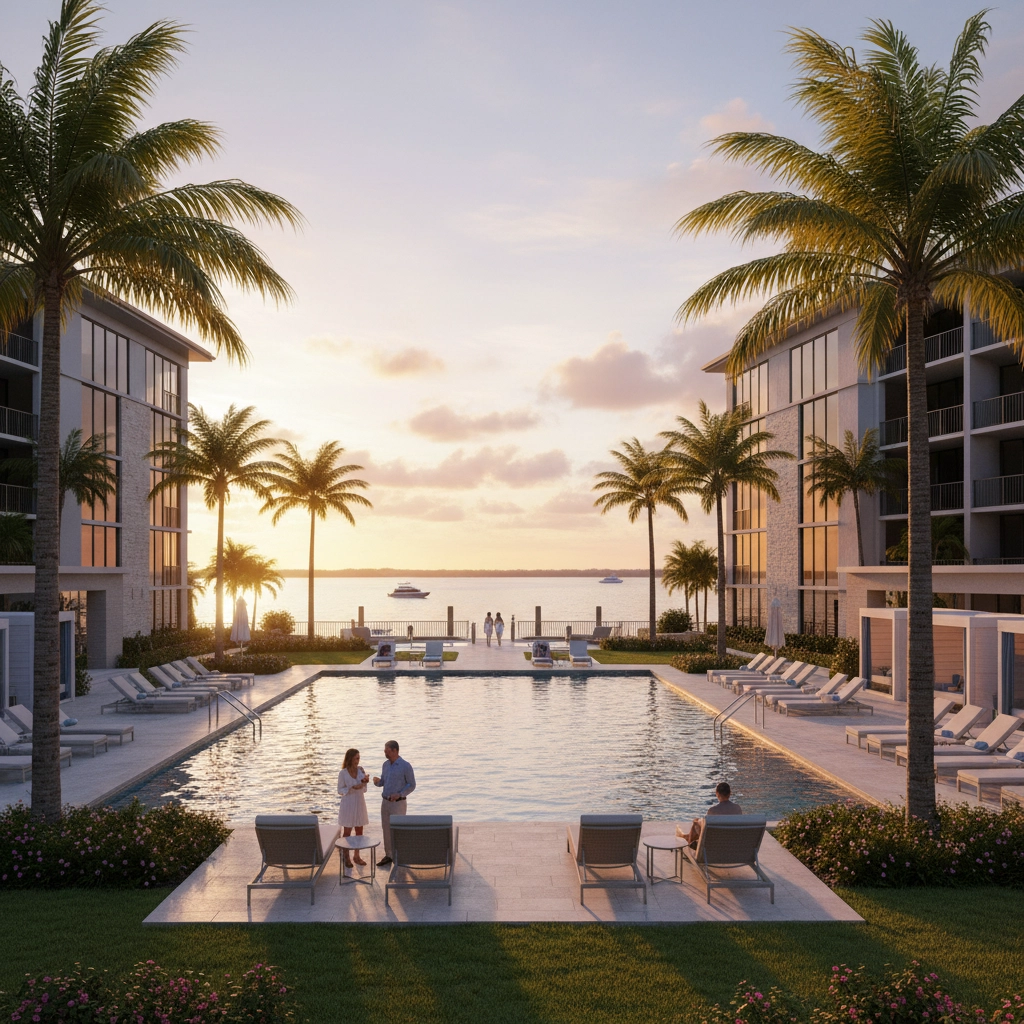
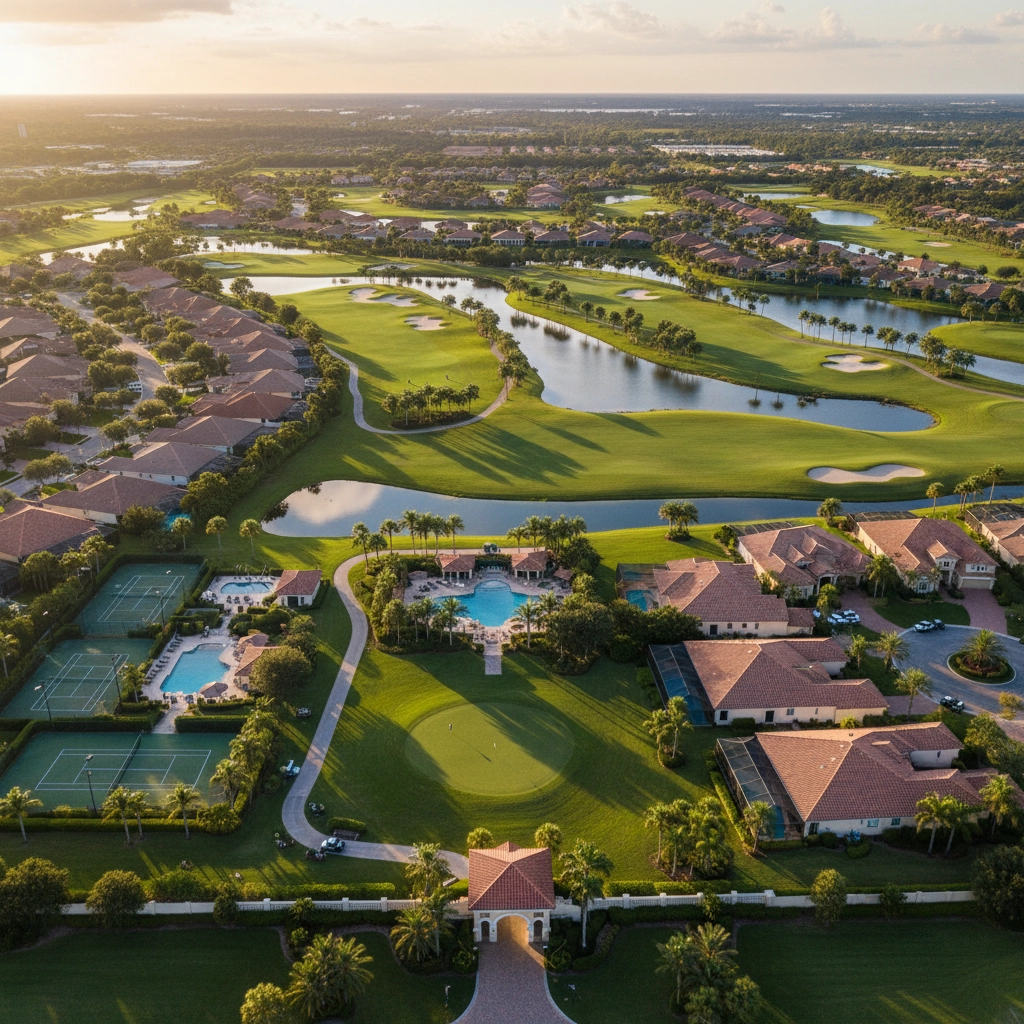
The most sought-after features? Single-story layouts, minimal yard maintenance, HOA-managed exteriors, and resort-style amenities. Golf course access is huge, but so are fitness centers, pools, and social clubs. Snowbirds aren't just buying a house; they're buying a lifestyle.
Properties in Cape Coral's gated communities like Sandoval and Paseo in Fort Myers, offer amazing lifestyle amenities and sought after by snowbirds. Same goes for high-rise condos along Fort Myers Beach or downtown Fort Myers. If you're competing for these properties, be prepared to move fast and bid strong.
The Investment Angle Most Buyers Miss
Here's something interesting: a growing number of snowbird buyers are actually investors in disguise. They'll use their Florida home for 3-4 months during peak season, then rent it out the rest of the year. This dual-purpose strategy can significantly offset ownership costs.
Southwest Florida's short-term rental market is incredibly strong, especially in areas like Sanibel, Captiva, and Naples. A well-located condo that rents for $200-300 per night during season can generate $15,000-25,000 in annual rental income. That's a game-changer for your overall investment.
The secret here is buying with rental potential in mind, even if you don't plan to rent immediately. Look for properties with strong vacation rental demand: beachfront locations, golf course communities, or places with resort-style amenities.
Who's Really Buying (It's Not Who You Think)
The snowbird demographic is changing fast. Yes, retirees in their 60s and 70s still make up the biggest group, but I'm seeing more buyers in their 40s and 50s purchasing snowbird properties as pre-retirement investments.
These younger buyers are thinking strategically: they want their Florida home paid off by the time they retire, so they're buying now while they're still earning peak income. They're also more likely to rent their properties during the off-season, treating them as income-producing investments.
This demographic shift means the market is getting more competitive and more sophisticated. Younger buyers tend to move faster, make stronger offers, and are more comfortable with technology-driven transactions.
The Deal Breakers Nobody Warns You About
After working with countless snowbird buyers, I've noticed some patterns in what kills deals at the last minute. It's rarely the big stuff like price or location: it's usually the details.
Outdated kitchens and bathrooms are huge deal breakers, even in otherwise perfect properties. Snowbirds often want to host family and friends, so they need spaces that feel current and comfortable. Popcorn ceilings, carpet in bedrooms, and small showers are surprisingly common deal breakers.
Parking situations can also kill deals quickly. Many condo complexes have assigned parking, but some don't, and that uncertainty scares buyers. Same with storage: snowbirds need places for beach chairs, golf clubs, and seasonal decorations.
HOA restrictions are another landmine. Some communities have strict rental restrictions that eliminate investment potential, while others have age restrictions that might affect visiting family members. Always read the HOA docs carefully.
The "Try Before You Buy" Secret
Here's my favorite insider tip: rent first, buy second. If you're new to the snowbird lifestyle, spend a season renting in Southwest Florida before you commit to purchasing. This gives you a chance to test different areas, understand what amenities actually matter to you, and experience the seasonal rhythms.
Many of my most successful snowbird buyers spent their first year renting in different communities: maybe a month in Naples, a month in Cape Coral, and a month in Fort Myers. By the end of the season, they knew exactly what they wanted and where they wanted it.
Plus, landlords often give rental tenants the first opportunity to purchase if they decide to sell. I've seen several deals happen this way, where renters became buyers and skipped the competitive market entirely.
Your Peak Season Game Plan
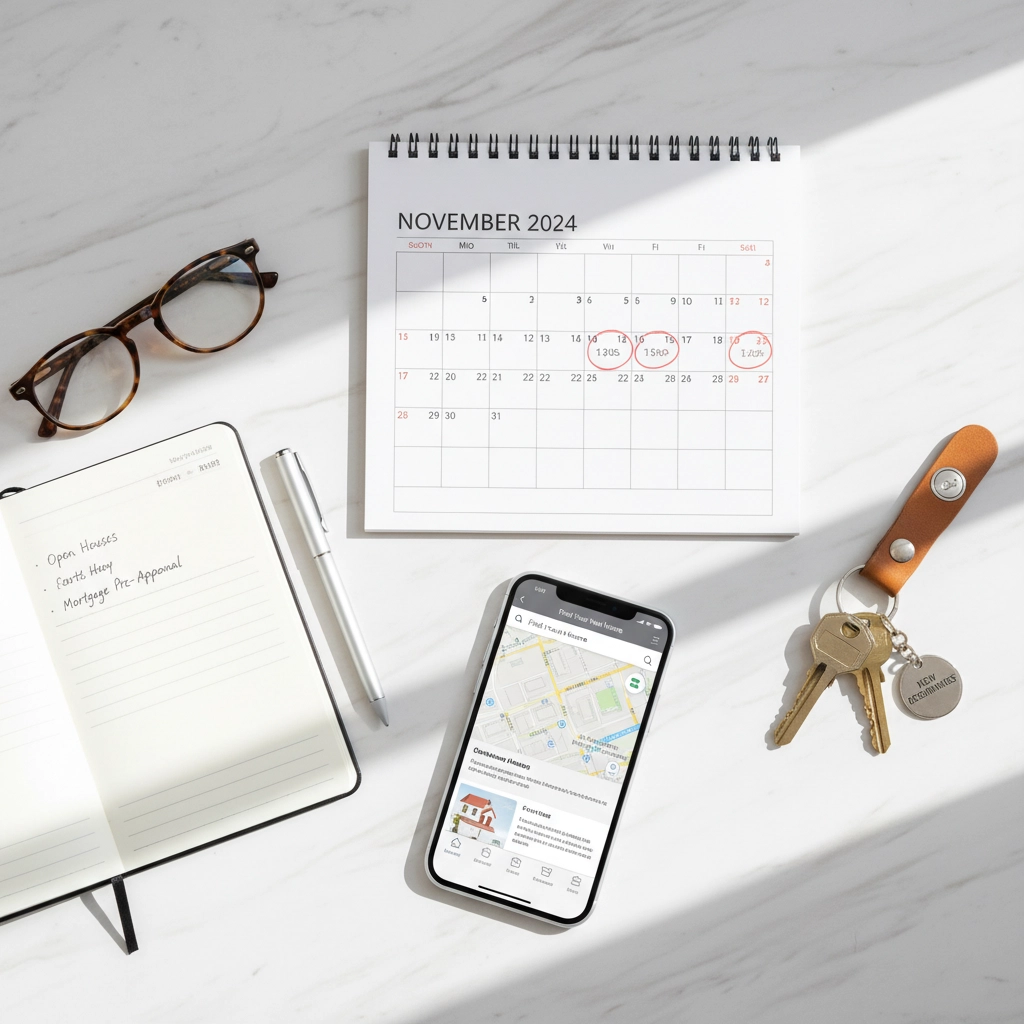
If you're serious about buying during peak snowbird season, here's your action plan: Get pre-approved before you even start looking. In this market, sellers won't take you seriously without a pre-approval letter.
Be ready to move fast. Good properties can sell within 48 hours during peak season. Have your inspection and appraisal teams lined up in advance.
Consider properties that have been on the market for 30+ days during peak season. There's usually a reason they haven't sold yet, but sometimes it's fixable: like poor photography, overpricing, or minor cosmetic issues that scare other buyers but shouldn't scare you.
The bottom line? Peak season buying in Southwest Florida isn't impossible: it just requires strategy, speed, and realistic expectations. The "secrets" aren't really secrets at all; they're just market realities that smart buyers use to their advantage. Work with an agent who understands the seasonal patterns, stay flexible on timing, and remember that the right property at peak season prices is still better than no property at all.
If you're ready to join the snowbird community in Southwest Florida, the peak season market can actually work in your favor( you just need to know how to navigate it.)