


If you’ve spent even five minutes looking at a map of Southwest Florida, you know that Cape Coral is a bit of an anomaly. Known as the "Waterfront Wonderland," we have more than 400 miles of canals: more than Venice, Italy. But while those canals make for a beautiful lifestyle, they also make our real estate market incredibly complex.
Whether you are looking to move here for the sunshine, invest in a vacation rental, or sell your long-time family home, finding the right realtors Cape Coral has to offer isn't just about picking a name off a yard sign. You need someone who understands the nuances of our unique geography, the local tax assessments, and the lifestyle shifts happening in 2026.
As the Broker/Owner here at RE/MAX Realty Team, I’ve seen the market evolve through its highs and lows. To help you navigate your journey, I’ve put together the 10 most important things you should know when searching for cape coral real estate agents.
1. The Power of the Quadrants
Cape Coral is massive: one of the largest cities by land area in Florida. Locals divide the city into four main sections: Northeast (NE), Northwest (NW), Southeast (SE), and Southwest (SW).
- Southwest (SW): Often considered the most established and high-end area, particularly near Cape Harbour and Tarpon Point.
- Southeast (SE): This is the "original" Cape Coral. It’s closer to the bridges leading to Fort Myers and features many of the city’s older, character-filled homes.
- Northwest (NW): This area is seeing massive growth right now. It offers more "new construction" opportunities but is further from the downtown core.
- Northeast (NE): Generally the most affordable entry point for families, though it lacks the extensive canal systems found in the south.
Your agent needs to know the cape coral quadrants inside and out because a "great deal" in one quadrant might be a logistical headache for your specific commute or lifestyle needs.
2. SWFL Waterfront Homes: Not All Canals Are Created Equal
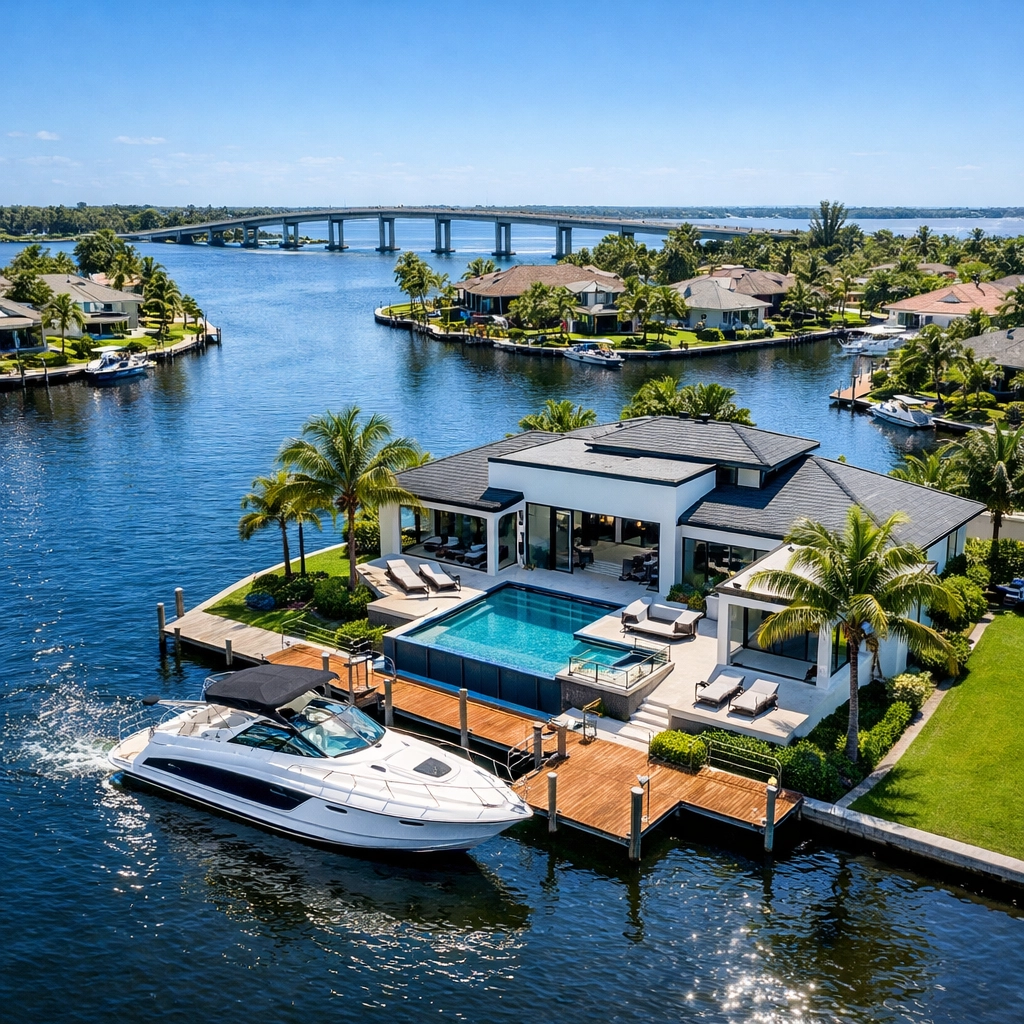
When people search for SWFL waterfront homes, they often assume any house on a canal has access to the Gulf of Mexico. This is a common trap.
In Cape Coral, we have "freshwater" canals and "Gulf access" canals. Freshwater canals are great for fishing and kayaking, but they are landlocked lakes connected by canals. Gulf access canals actually lead to the ocean, but even then, you have to consider bridge heights. If you have a large sailboat or a boat with a high T-top, you need "sailboat access" (meaning no bridges) or a specific bridge clearance. A realtor who doesn’t understand bridge heights can accidentally sell you a home where your boat won’t even fit under the first overpass.
3. The "Hidden" Costs: UEP Assessments
One thing that catches out-of-state buyers off guard is the Utility Expansion Project (UEP). Much of Cape Coral originally ran on well and septic systems. The city has been systematically moving neighborhoods over to city water and sewer.
When you're looking at a property, you need to know if the assessments are "paid in full" or if there is a remaining balance. These assessments can run into the tens of thousands of dollars. A knowledgeable realtor will look this up immediately so you aren't hit with a massive bill right after closing.
4. Gated Communities vs. Non-HOA Neighborhoods
Cape Coral is unique because it doesn’t have the traditional "cookie-cutter" feel of many Florida cities. Most of the city consists of single-family homes on individual lots with no Homeowners Association (HOA).
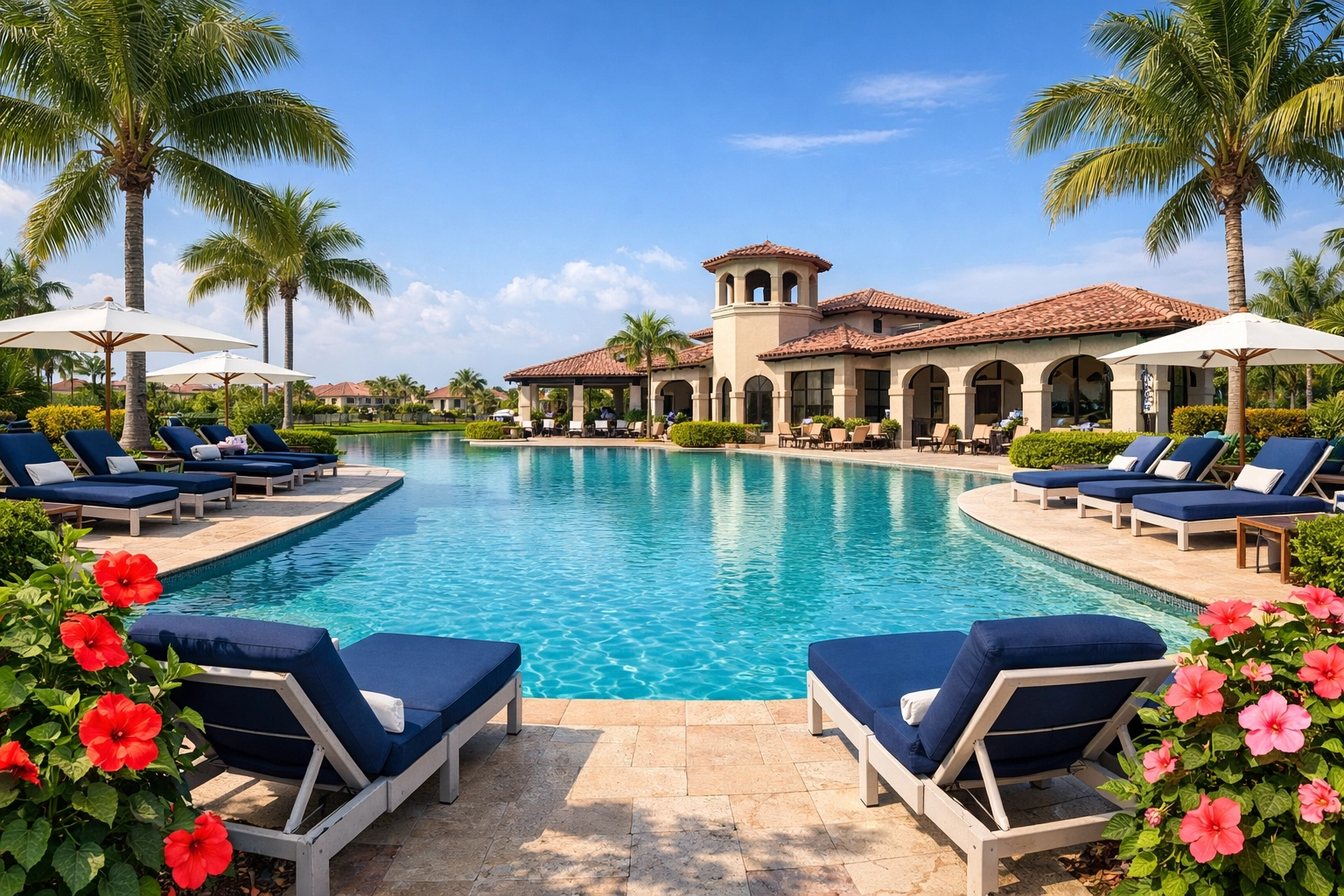
However, gated communities in cape coral florida are becoming increasingly popular for those who want resort-style amenities. Communities like Sandoval, Heatherwood Lakes, or Trafalgar Village offer pools, tennis courts, and security. Deciding between the freedom of a non-HOA lot (where you can park your boat in the driveway) versus the structure of a gated community is a major crossroads in your home search.
5. Navigating HOA Fees Cape Coral
If you do choose a gated community or a condo, you need to be very clear on the HOA fees Cape Coral associations charge. These fees can range from $150 a month to over $1,000 depending on the level of luxury and maintenance included.
More importantly, you want an agent who reviews the "financial health" of the HOA. In 2026, with insurance rates being what they are in Florida, you want to make sure the association has healthy reserves so you aren't hit with a "special assessment" for a new roof or pool repair six months after moving in.
6. The 2026 Market: Why Hyper-Local Data Matters
National news might tell you one thing about the "Florida market," but Cape Coral operates on its own wavelength. We are currently seeing a shift where inventory is stabilizing, giving buyers more room to breathe, but "move-in ready" homes are still commanding a premium.
A generalist agent from an hour away won't know that a specific street in the NW is about to get a new commercial development that will boost property values, or that a particular canal is prone to silt buildup. You can check out our latest market updates at www.swflhomestoday.com to see how the numbers are trending this month.
7. New Construction vs. Resale
Cape Coral still has a significant amount of vacant land. Because of this, many buyers choose to build. However, building in Florida involves navigating impact fees, sea walls, and elevation requirements.
If you decide to go the new construction route, having your own realtor is essential. The sales rep in the model home works for the builder; you need someone who works for you to ensure the inspections are done correctly and the timelines are realistic.
8. Negotiation in the Modern Era
The days of just "splitting the difference" on price are over. In today’s market, negotiation is about terms. This includes:
- Seller Concessions: Asking the seller to buy down your interest rate.
- Inspection Credits: Negotiating repairs for older roofs (which is vital for getting homeowners insurance in Florida).
- Post-Occupancy Agreements: Giving the seller time to move out after the sale.
The best cape coral real estate agents are expert problem solvers who can keep a deal together when the inspection report comes back with a few surprises.

9. Marketing Savvy for Sellers
If you’re looking for a realtor to help you sell, don't settle for someone who just takes photos with their smartphone and puts a sign in the yard.
Because Cape Coral is a destination market, your buyer is likely living in the Midwest or the Northeast right now. Your home needs a digital-first marketing strategy: 3D tours, drone photography to show the canal layout, and targeted social media ads. At RE/MAX Realty Team, we make sure your home is seen by people across the globe who are looking for that specific SWFL lifestyle.
10. The Value of a Full-Service Team
Real estate is a team sport. When you work with a dedicated team, you aren't just getting one person’s schedule: you’re getting a system. From transaction coordinators who handle the mountain of paperwork to marketing specialists and local inspectors, a team approach ensures nothing falls through the cracks.

Summary & Key Takeaways
Finding the right home or buyer in Cape Coral is an exciting journey, but it’s one filled with local quirks that you won’t find in other markets. Here is what you should keep in mind:
- Location: Understand the cape coral quadrants and how they affect your daily life.
- Waterfront: Verify bridge heights and "sailboat access" before falling in love with a dock.
- Costs: Factor in HOA fees Cape Coral and potential UEP assessments.
- Expertise: Work with cape coral real estate agents who live and breathe this specific market.
If you’re ready to start your search or want a no-pressure consultation about what your home might be worth in today’s market, we’re here to help. Cape Coral is a fantastic place to call home, and with the right guide, the process can be just as enjoyable as the sunset views from your back lanai.
Feel free to browse our latest listings and local guides at http://www.swflhomestoday.com. We look forward to seeing you around the Cape!