

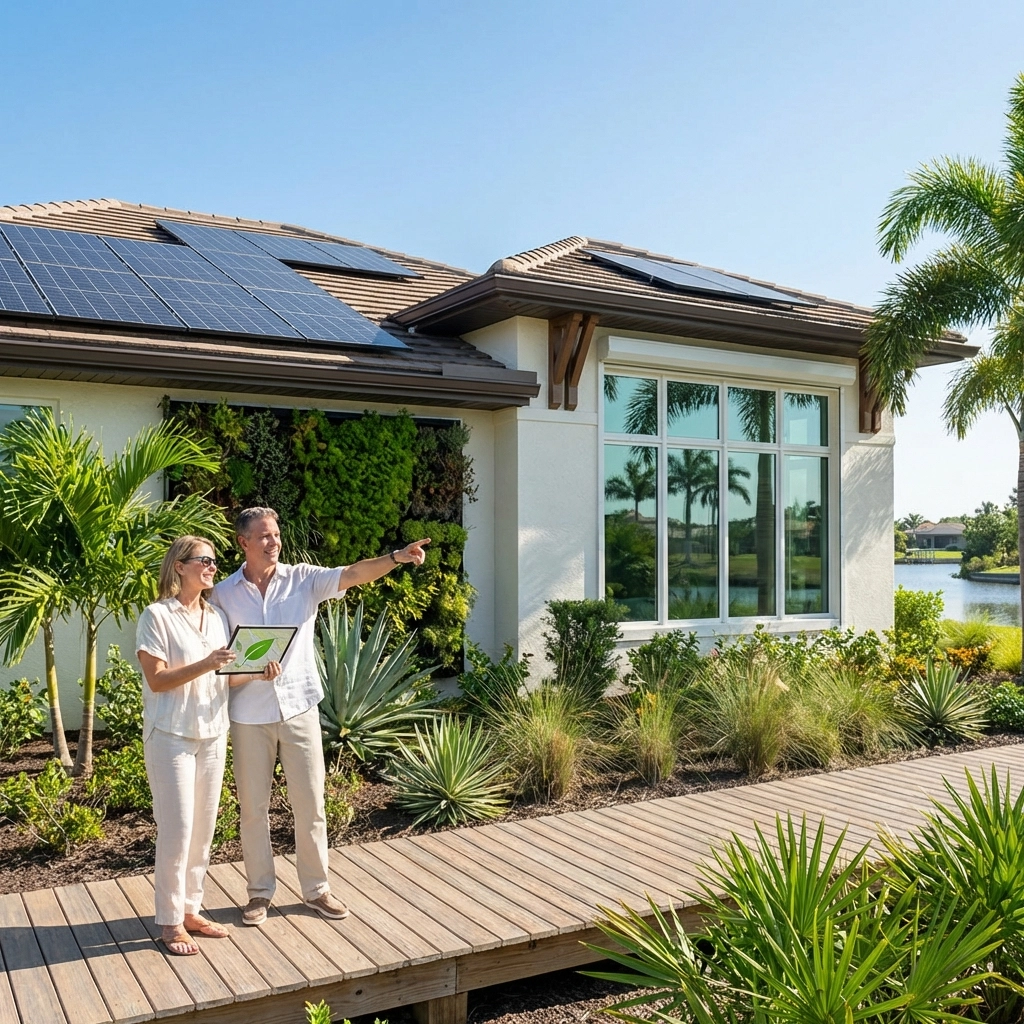
So you're thinking about going green with your next home purchase in Southwest Florida? Smart move. Whether you're motivated by lower utility bills, a smaller carbon footprint, or just wanting to live in a healthier space, eco-friendly homes are becoming increasingly popular in our sunny corner of the world.
But here's the thing: not all "green" homes are created equal. Some sellers slap on a solar panel and call it a day, while others go all-in with certifications, sustainable materials, and climate-smart designs. Knowing what to look for can save you money, headaches, and help you find a home that truly walks the eco-friendly walk.
Let's break down the 10 things you absolutely need to know before buying an eco-friendly home in Southwest Florida.
1. Solar Panels Are Your Best Friend in SWFL
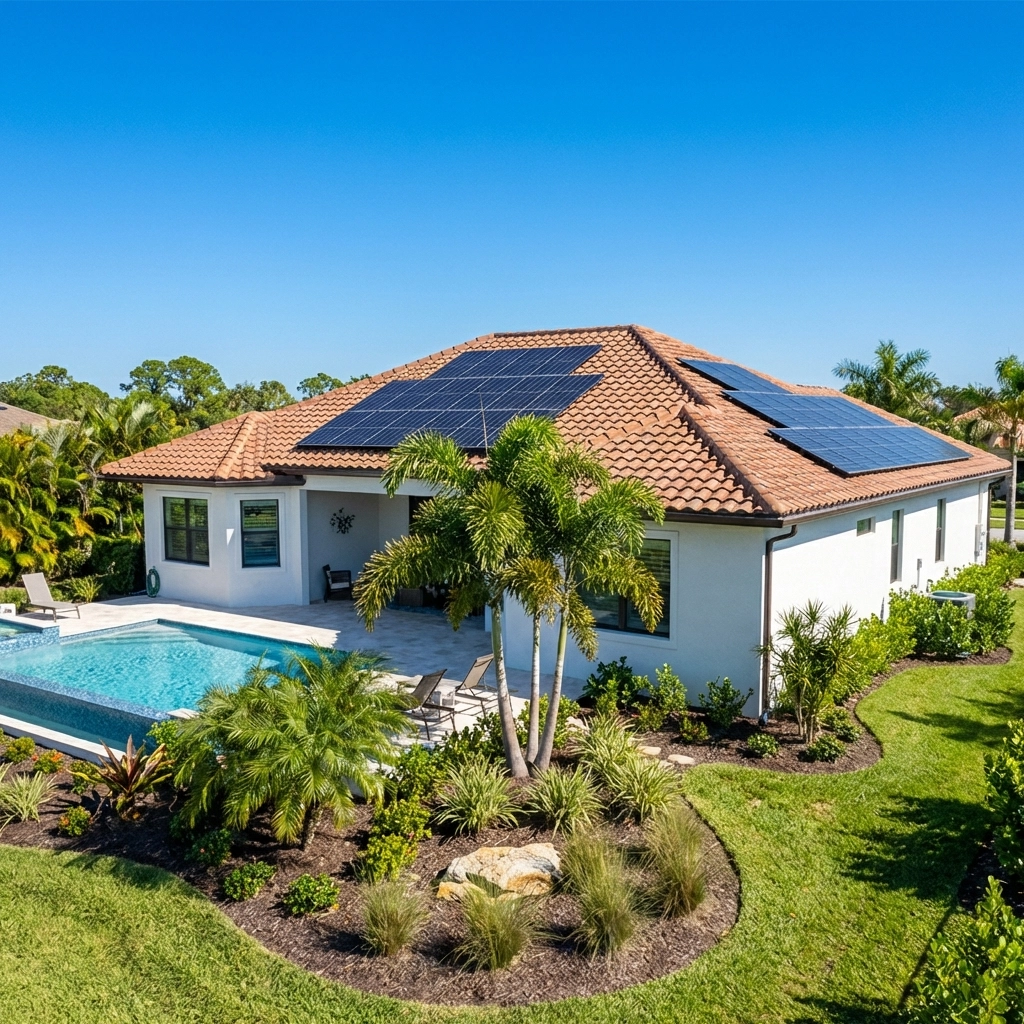
Let's start with the obvious one. We live in the Sunshine State for a reason, and solar panels make total sense here. A home with an existing solar panel system can significantly reduce (or even eliminate) your electricity bills while decreasing your dependence on the grid.
When evaluating a home with solar, ask these questions:
- Are the panels owned or leased?
- How old is the system, and what's the warranty situation?
- What's the average monthly energy production?
Owned panels add value to the home. Leased panels? That's a conversation you'll want to have with your agent before moving forward.
2. Insulation Matters More Than You Think
Florida heat is no joke. While we're not dealing with freezing winters, keeping cool air inside your home is crucial for comfort and energy efficiency. Look for homes with advanced insulation like spray foam or blown-in cellulose.
Even better? Structurally Insulated Panels (SIPs). These bad boys provide superior insulation and can dramatically cut your cooling costs. When touring homes, ask about the insulation type and R-value: it's not the sexiest topic, but your wallet will thank you later.
3. Energy-Efficient Windows and Doors Are Non-Negotiable
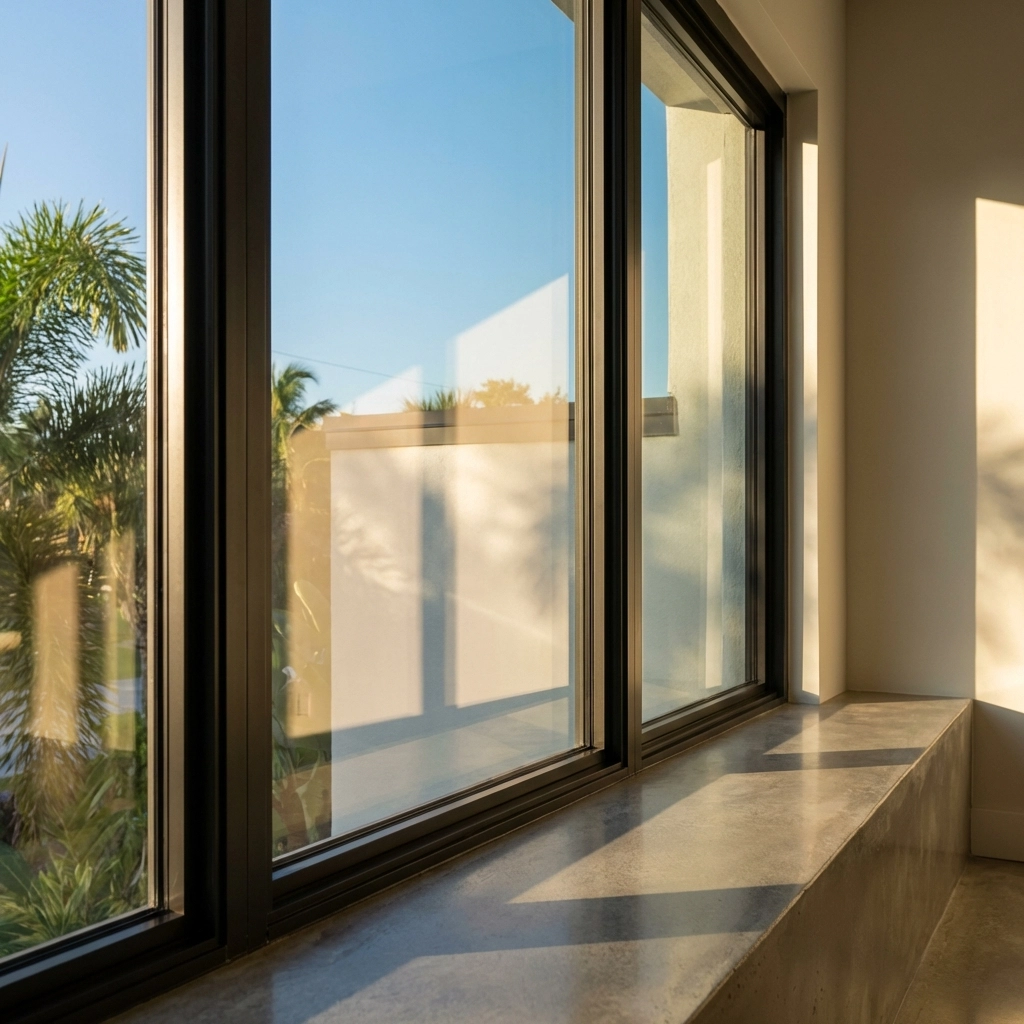
Here in Southwest Florida, your windows and doors are working overtime to keep the heat out and the cool air in. Energy-efficient windows with low-E coatings and proper sealing can make a massive difference in your monthly bills.
Double-pane or triple-pane windows are ideal. They reduce heat transfer, block UV rays (protecting your furniture from fading), and even help with hurricane protection. Speaking of which…
4. Hurricane-Resistant Features Are a Must
Let's get real: we live in hurricane country. An eco-friendly home in SWFL should also be a resilient home. Look for impact-resistant windows, reinforced roofing, and storm-rated garage doors.
The good news? Many hurricane-resistant features overlap with energy efficiency. Impact windows, for example, also provide excellent insulation and noise reduction. It's a win-win situation that protects both the planet and your property.
5. Look for Green Certifications
Want proof that a home is truly eco-friendly? Look for certifications. The big ones to watch for include:
- LEED (Leadership in Energy and Environmental Design) – The gold standard for green building
- ENERGY STAR – Focuses on energy efficiency
- FGBC (Florida Green Building Coalition) – Specifically designed for Florida's unique climate
These certifications aren't just fancy stickers. They indicate that the home has been independently verified to meet strict environmental and efficiency standards. Plus, certified homes often qualify for tax incentives and typically have higher resale values.
6. Smart Home Technology Can Supercharge Your Efficiency
A truly eco-friendly home in 2026 should have some smart features working behind the scenes. Smart thermostats that learn your schedule and automatically adjust temperatures can cut energy waste without you lifting a finger.
Other smart features to look for:
- Smart lighting systems with motion sensors
- Smart irrigation controllers that adjust watering based on weather
- Energy monitoring systems that track your consumption in real-time
These technologies help you stay efficient without constantly thinking about it. Set it and forget it: while still doing your part for the environment.
7. Water Conservation Features Are Essential
Water is a precious resource in Southwest Florida, and eco-friendly homes should take conservation seriously. Here's what to look for:
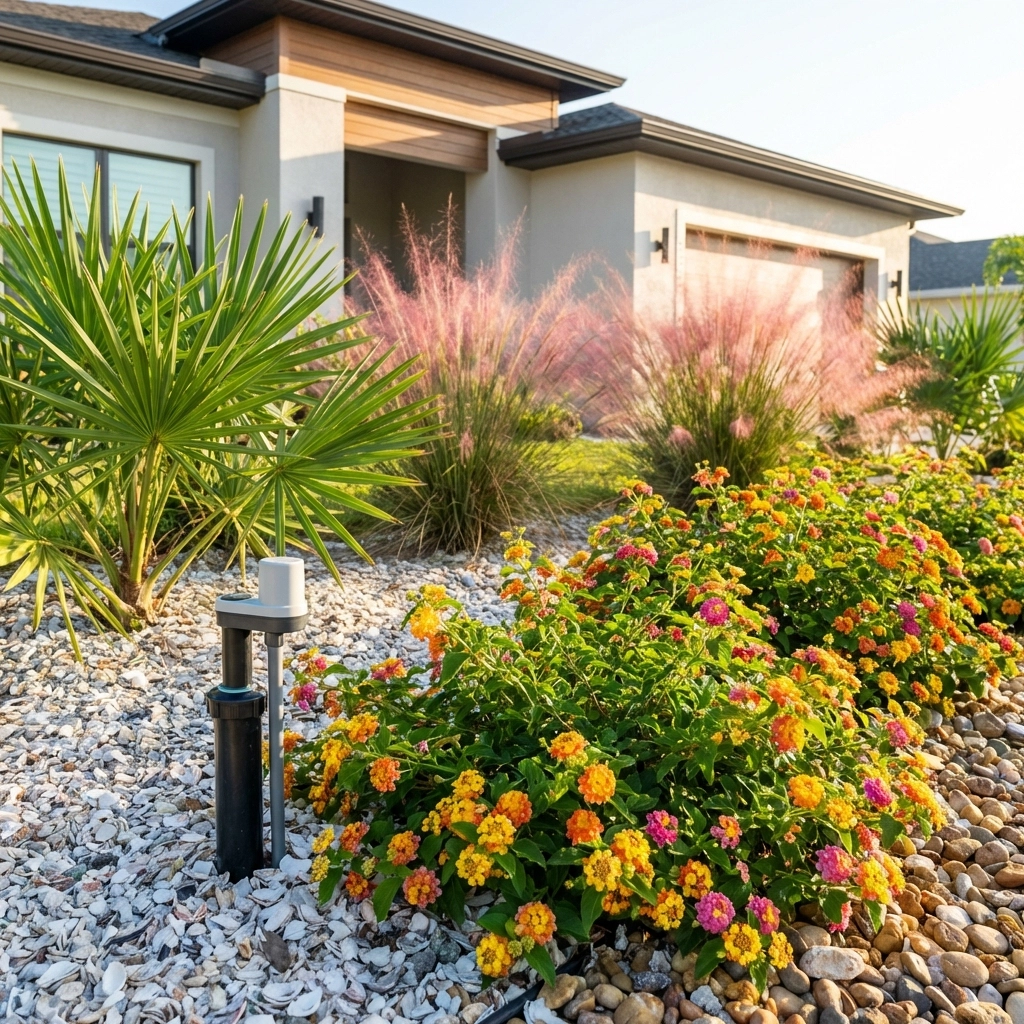
Xeriscaping – This landscaping approach uses native and drought-resistant plants that thrive in our climate without constant watering. Less lawn maintenance for you, less water waste for the planet.
Water-efficient fixtures – Low-flow toilets, showerheads, and faucets can reduce water usage by 20-30% without sacrificing performance.
Smart irrigation systems – These adjust watering schedules based on rainfall, humidity, and temperature, so you're not wasting water on days when Mother Nature already did the job.
8. Sustainable Building Materials Make a Difference
What a home is made of matters just as much as its features. Eco-friendly homes often incorporate:
- Reclaimed wood – Gives character while reducing demand for new lumber
- Recycled steel – Stronger than wood framing and made from recycled materials
- Bamboo and cork flooring – Renewable alternatives that look great and last for years
Also, pay attention to indoor air quality. Look for homes built with low-VOC (volatile organic compound) paints and finishes. Traditional paints can off-gas harmful chemicals for years. Low-VOC options keep your indoor air cleaner and healthier for your family.
9. Geothermal Systems Are Worth Considering
This one's a bit more advanced, but if you find a home with a geothermal heating and cooling system, pay attention. These systems tap into the stable temperatures underground to heat and cool your home incredibly efficiently.
While the upfront cost is higher, geothermal systems can reduce energy consumption by 25-50% compared to traditional HVAC systems. They're quiet, require less maintenance, and can last for decades. In Florida's climate, they're particularly effective for cooling: which, let's be honest, is what we need most.
10. Location and Community Matter Too
An eco-friendly home in a car-dependent suburb only gets you so far. Consider the bigger picture:
- Is the neighborhood walkable?
- Is there access to bike paths or public transportation?
- Does the community have green initiatives like recycling programs or community gardens?
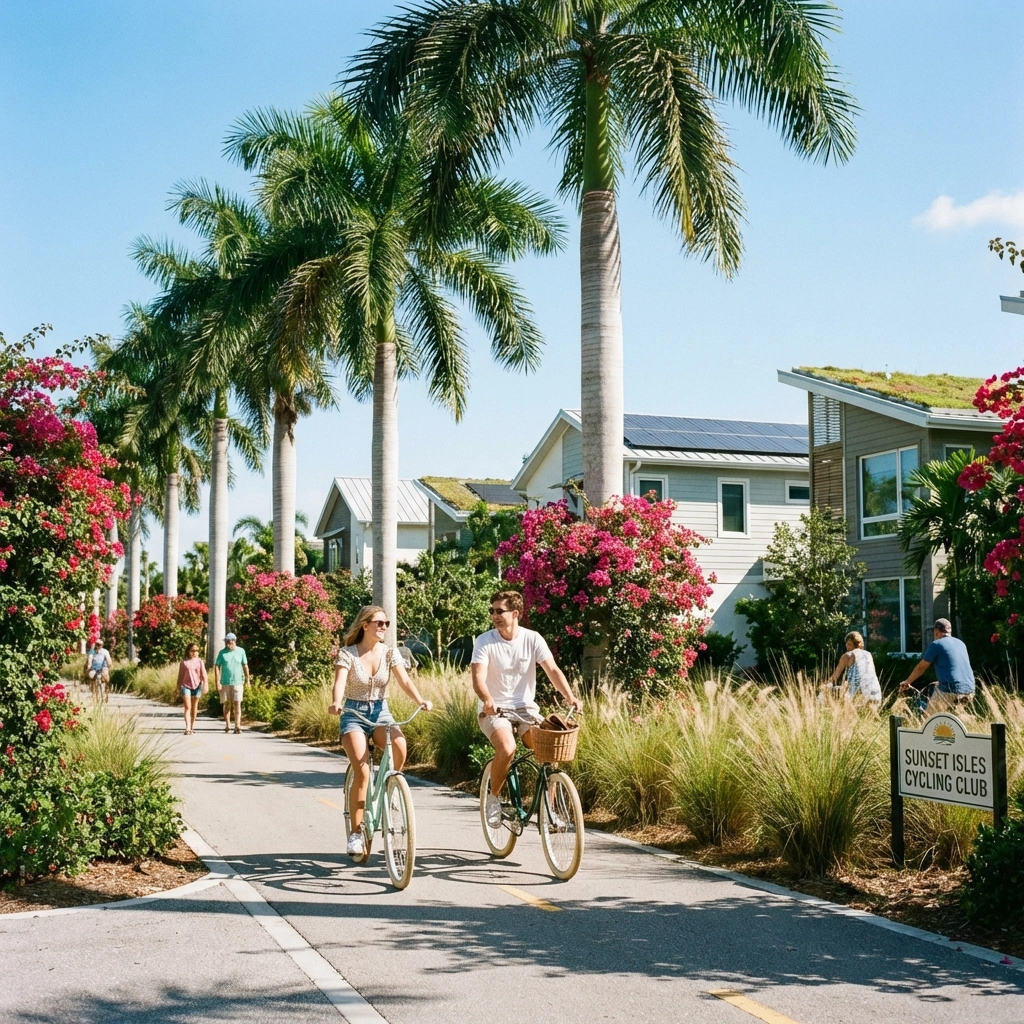
Living in a location that reduces your need to drive is one of the most impactful things you can do for the environment. Plus, walkable neighborhoods tend to have stronger property values over time.
The Financial Upside of Going Green
Here's the part everyone loves: eco-friendly homes can actually save you money. Beyond the obvious utility savings, consider:
- Tax credits and incentives for solar panels and energy-efficient upgrades
- Higher resale value thanks to green certifications and smart technology
- Lower insurance premiums in some cases, especially with hurricane-resistant features
- Reduced maintenance costs from durable, sustainable materials
Green homes aren't just good for the planet. They're good for your bank account too.
Ready to Find Your Eco-Friendly Dream Home?
Shopping for an eco-friendly home in Southwest Florida doesn't have to be overwhelming. Now you know what features actually matter: from solar panels and smart thermostats to green certifications and water conservation systems.
The key is doing your homework, asking the right questions, and working with someone who understands the local market. Not every home that claims to be "green" will have all these features, but knowing what to prioritize helps you make informed decisions.
Whether you're looking in Cape Coral, Fort Myers, Naples, or anywhere else in SWFL, eco-friendly options are out there. And with our year-round sunshine and unique climate challenges, going green just makes sense.
Bottom line: An eco-friendly home is an investment in your comfort, your finances, and the future of our beautiful Southwest Florida community. Take your time, know what to look for, and you'll find a home that feels good in every sense of the word.
Have questions about finding eco-friendly properties in the area? Reach out to our team at RE/MAX Realty Team: we're always happy to help you navigate your home search.