

If you’ve been scrolling through Zillow or chatting with realtors in Cape Coral, you’ve probably heard people throwing around terms like "The Southwest," "The NW," or "The SE." To an outsider, it sounds like we’re talking about quadrants on a map in a geometry class. But in the "Waterfront Wonderland" of Cape Coral, these quadrants are the heartbeat of our real estate market.
Cape Coral is a unique city. It was master-planned back in the late 1950s with over 400 miles of canals: more than Venice, Italy! But because the city is so massive (roughly 120 square miles), where you choose to live dictates your commute, your boating access, your property taxes, and even how much you’ll pay for a gallon of milk nearby.
I’m Penny, and today I’m breaking down the 10 essential things you need to know about the Cape Coral quadrants before you sign on the dotted line.
1. The "Big Cross" Defines Everything
Cape Coral is neatly divided into four quadrants by two major intersecting roads. Santa Barbara Boulevard runs North-South, and Pine Island Road (State Road 78) runs East-West.
- Northwest (NW): North of Pine Island Rd, West of Santa Barbara Blvd.
- Northeast (NE): North of Pine Island Rd, East of Santa Barbara Blvd.
- Southwest (SW): South of Pine Island Rd, West of Santa Barbara Blvd.
- Southeast (SE): South of Pine Island Rd, East of Santa Barbara Blvd.
Knowing this grid is your first step to navigating the city like a local. When you're looking at SWFL waterfront homes, the quadrant will tell you almost immediately what kind of water access you're getting.
2. The Southeast (SE) is the "Original" Cape
The SE quadrant was the first part of the city to be developed. Because of this, it has a very different "vibe" than the rest of the city. You’ll find more mature landscaping, towering palm trees, and homes that range from 1960s mid-century moderns to massive multi-million dollar estates on the river.
The big draw here? Direct Sailboat Access. This means no bridges stand between your dock and the Gulf of Mexico. If you have a large boat with a high mast or tuna tower, the SE is often your best bet. However, because it’s established, it’s also one of the more expensive areas, with non-waterfront homes often starting in the high $300s and waterfront going way up from there.
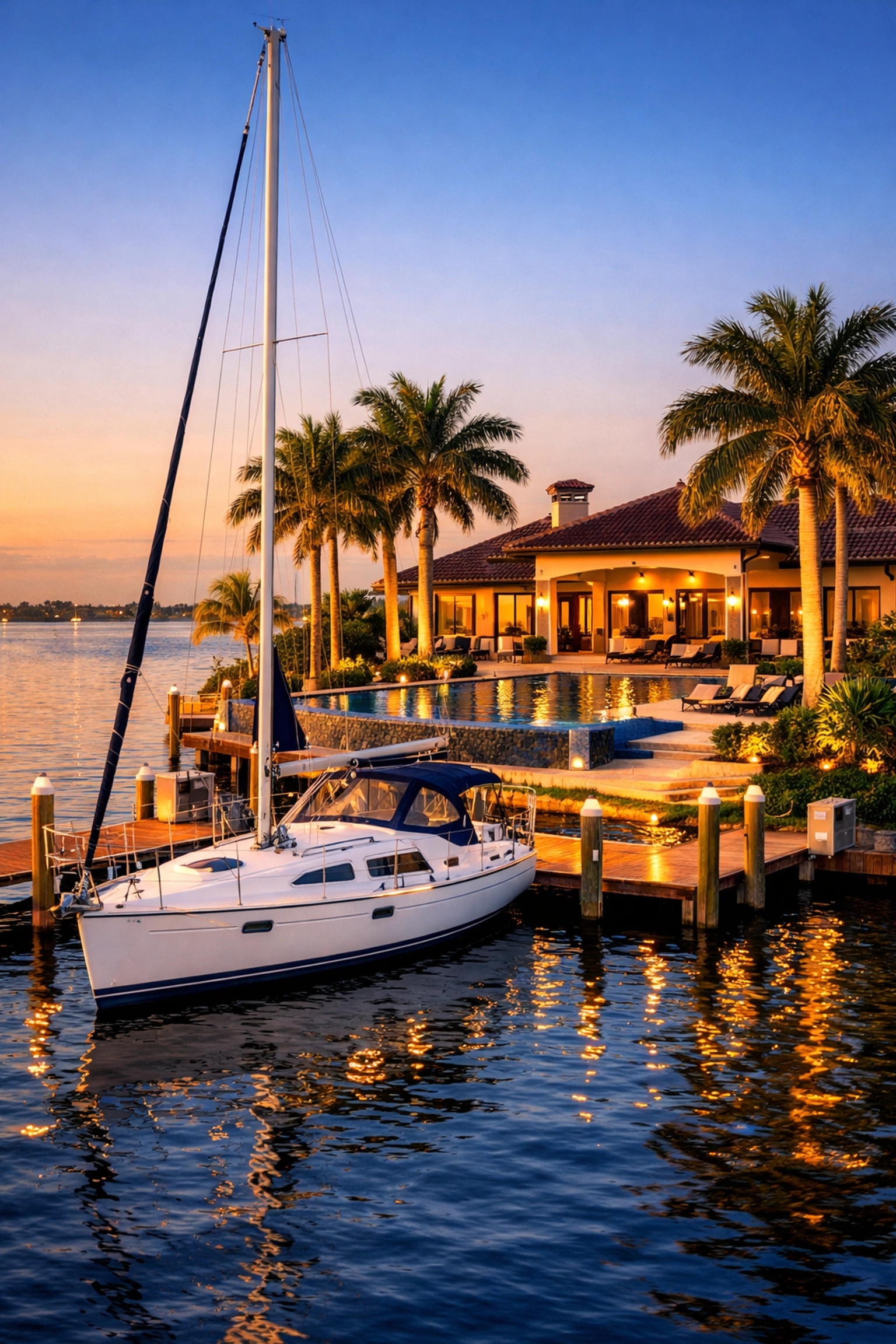
3. The Southwest (SW) is the "Goldilocks" Zone
For many families and retirees moving to the area, the SW is just right. Most of the development here happened in the 1990s and 2000s, so you get those modern floor plans: think open kitchens, high ceilings, and three-car garages.
The SW is home to some of the most popular gated communities in Cape Coral, Florida, like Sandoval or Cape Harbour. It’s also where you’ll find Cape Harbour and Tarpon Point: two world-class marinas with high-end dining and shopping. It’s polished, it’s convenient, and it’s arguably the most "manicured" part of the city.
4. Boating Access Varies Wildly
This is where people get tripped up. Just because a house is on a canal doesn't mean you can take your boat to the ocean.
- Freshwater Canals: Found mostly in the NE and parts of the NW/SW. These are landlocked lakes and canals. Great for fishing and electric boats, but you aren't going to the Gulf.
- Gulf Access (Indirect): You can get to the Gulf, but you have to go under bridges. This limits the height of your boat.
- Gulf Access (Direct): No bridges!
- The Chiquita Lock: If you live in certain parts of the SW, you have to pass through a boat lock to get to the river. It’s a bit of a "local's quirk" that adds 15–30 minutes to your boat trip.
5. The Northeast (NE) is the King of Affordability
If you’re a first-time homebuyer or looking for an investment property, the NE is usually where your search begins. As of 2026, you can still find modern homes starting in the low $200s to $300s here.
The trade-off? It’s still developing. You’ll see more vacant lots and fewer commercial shopping centers compared to the south. Also, keep in mind that the NE is almost entirely freshwater canals. If you want to be on the water for the view rather than the ocean access, the NE offers incredible value.
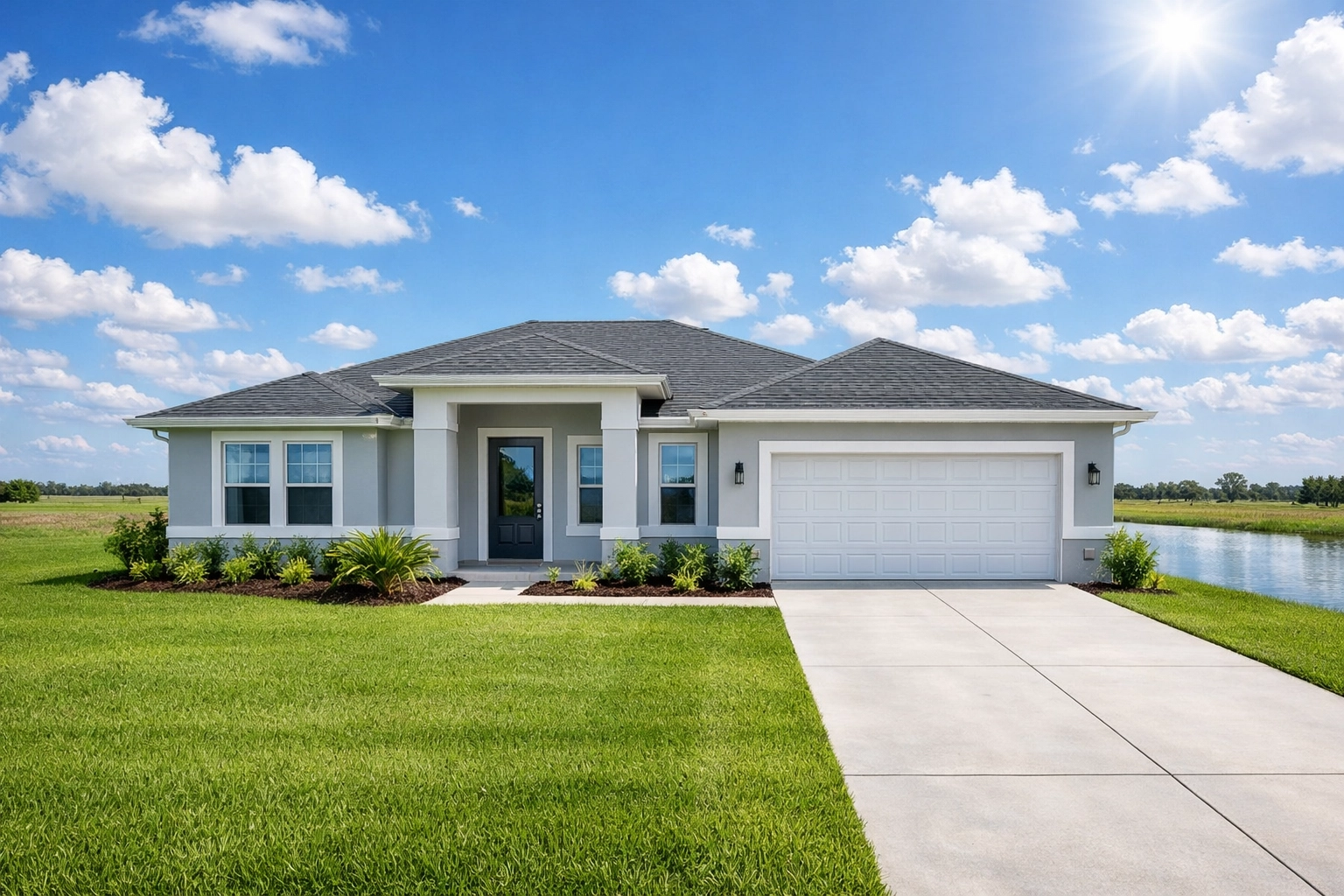
6. The Northwest (NW) is the Boater’s Bargain
The NW is the "new frontier" for boaters. It offers access to Charlotte Harbor and Pine Island Sound. While the SE is the most expensive for boaters, the NW offers saltwater access at a much more attainable price point.
The NW is also home to the Coral Oaks Golf Course and is very close to the quirky, artsy vibe of Matlacha and Pine Island. If you want a newer home with a bigger lot and quick access to the best fishing spots in SWFL, ask your Cape Coral real estate agents to show you the NW.
7. Understanding the UEP (Utility Expansion Project)
This is a big one. Much of Cape Coral originally ran on well and septic. For years, the city has been moving through the quadrants to install city water and sewer.
- SE and SW: Mostly finished. Utilities are in, and assessments are largely paid off.
- NE and NW: Many areas are still in the middle of this transition or waiting for it to begin.
Why does this matter? When utilities come to a neighborhood, the homeowner is hit with an assessment (essentially a bill for the infrastructure). When buying, always ask if the assessments are "paid in full." It can save you twenty or thirty thousand dollars!
8. HOA Fees: What to Expect
One of the most common questions we get at RE/MAX Realty Team is about HOA fees in Cape Coral.
Cape Coral is unique because the vast majority of the city has no HOA. You can park your boat in your driveway and paint your house whatever color you like (within city code, of course). However, if you choose one of the gated communities in Cape Coral, Florida, like Emerald Cove or Heatherwood Lakes, you will have monthly or quarterly fees. These usually cover lawn care, security, and community pools. Generally, they are quite reasonable compared to Fort Myers or Naples.
9. Location Matters for Your Commute
If you work in Fort Myers or Naples, the quadrant you choose is vital.
- The SE is the fastest commute to Fort Myers via the Midpoint Bridge or the Cape Coral Parkway Bridge.
- The NE gives you quick access to I-75 via the Del Prado extension.
- The NW and SW can feel a bit "tucked away." While that’s great for peace and quiet, it can add 15–20 minutes to your daily drive just to get out of the city limits.
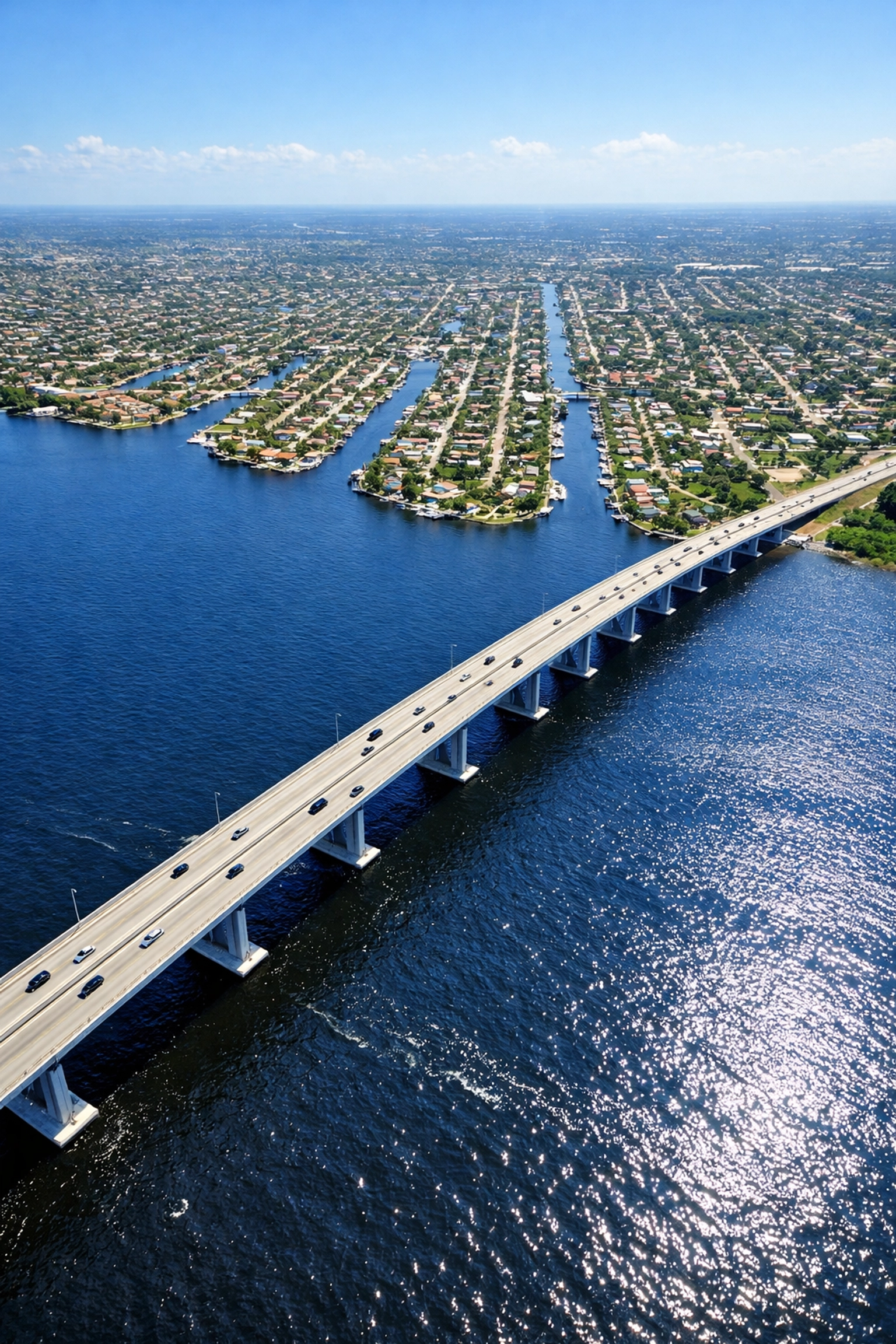
10. The Lifestyle Shift
Finally, understand that each quadrant offers a different lifestyle:
- SE: Social, close to downtown "47th Terrace" nightlife, and classic Florida charm.
- SW: Luxury, upscale dining, gated community living, and modern amenities.
- NW: Nature-focused, quiet, great for fishing, and a bit more "rural" feeling.
- NE: Family-oriented, budget-friendly, and lots of room to grow.
Summary & Takeaway
Choosing a home in Cape Coral isn't just about the house; it’s about the quadrant. Whether you're looking for SWFL waterfront homes with direct Gulf access in the SE or a budget-friendly starter home in the NE, there is truly something for everyone here.
Your Quick Cheat Sheet:
- Best for Boating: SE (Direct) or NW (Best Value).
- Best for Families: SW (Amenities) or NE (Affordability).
- Best for Investment: NE or NW (High growth potential).
- Best for Nightlife: SE (Close to the South Cape district).
Before you make a move, make sure you're working with experienced realtors in Cape Coral who understand the nuances of the canal systems and the Utility Expansion Project. At RE/MAX Realty Team, we live and breathe these quadrants every day.
If you're ready to start your search, head over to our website to browse the latest listings in each of these four unique areas. Welcome to the neighborhood!