

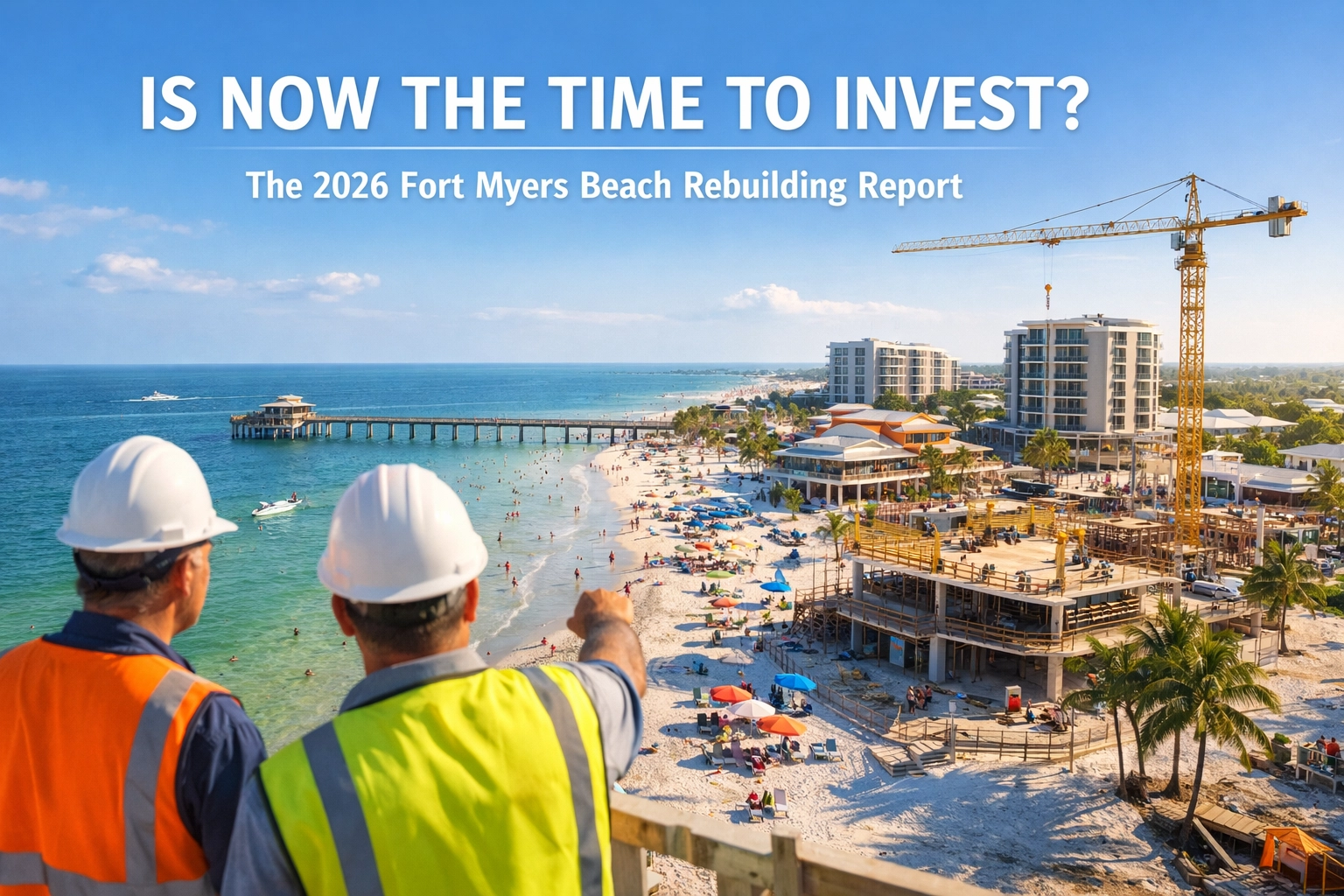
If you've been watching Fort Myers Beach's comeback story since Hurricane Ian, you're probably wondering the same thing every investor is asking right now: Is 2026 the right time to jump in?
The short answer? It depends on what you're looking for, and how patient you are.
Fort Myers Beach isn't the same market it was in 2019. The island has moved beyond emergency recovery mode and into something more intentional: a structured rebuilding phase that's creating a fundamentally different investment landscape. Let's break down what's actually happening on the ground, what the Fort Myers Beach investment property outlook post-rebuilding looks like, and whether this is your moment to make a move.
The Infrastructure Comeback is Real (and Almost Done)
One of the biggest green flags for investors? The bones of Fort Myers Beach are getting stronger.
Beach renourishment is essentially complete. The island now has wider berms and improved storm buffering, critical upgrades that make properties more insurable and give long-term owners peace of mind. This isn't just cosmetic; it's functional protection that directly impacts property values and insurance premiums.
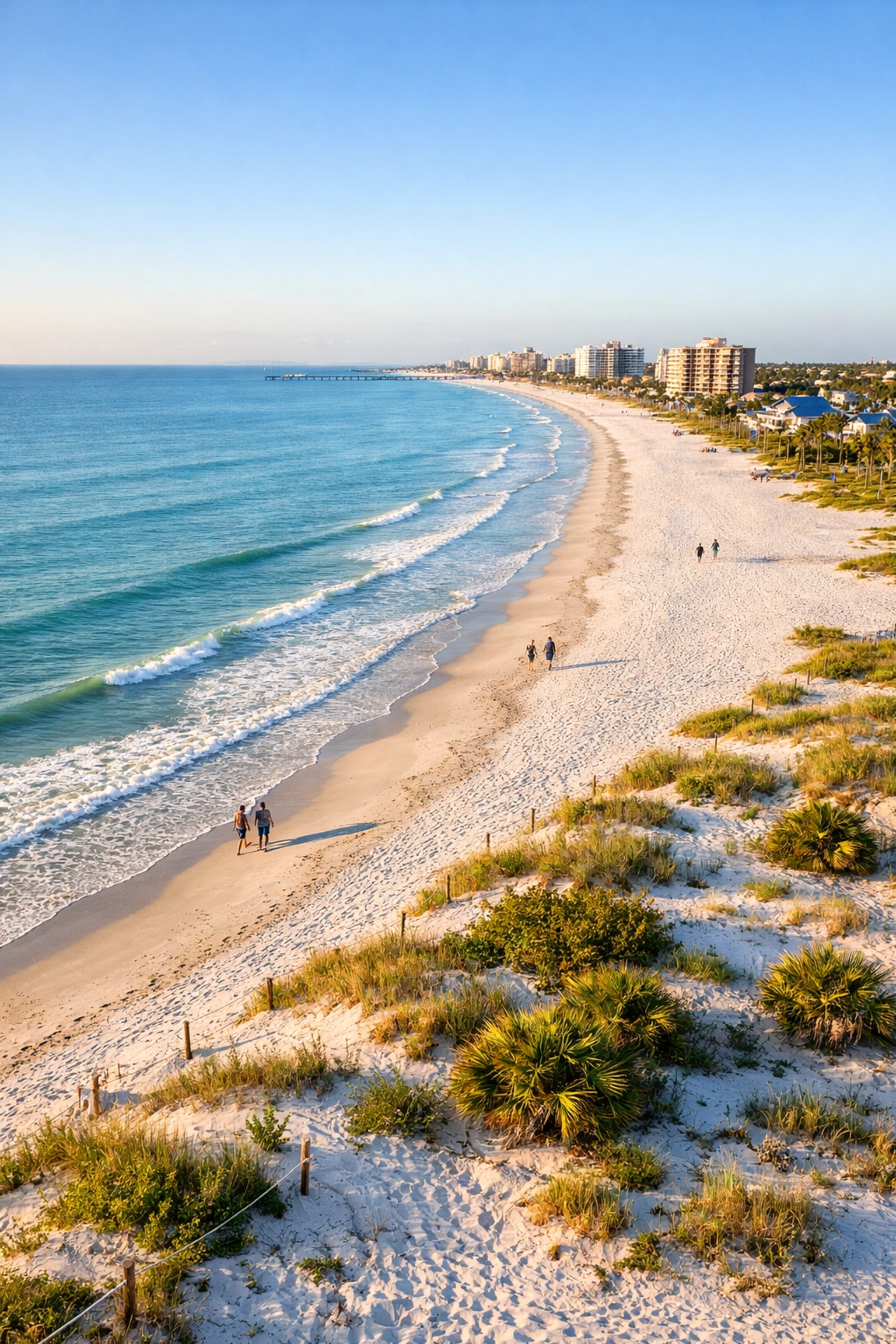
Then there's the new pier. This isn't just a tourist attraction, it's a symbol of the island's commitment to rebuilding better. The new structure will be 1,000 feet long and 50% wider than the old one, with construction expected to kick off in late 2026 and wrap up by August 2027. That means by the time you're settling into a 2027 vacation rental season, you'll have a brand-new landmark drawing visitors back to the island.
Roadway improvements are also underway across multiple Tier One locations. Yes, that means some active construction zones and temporary detours during 2026, but it's a short-term inconvenience for long-term gain. These aren't patch jobs, they're fundamental upgrades designed to withstand future storms.
Lodging and Commercial: Progress, But Not at Pre-Storm Levels Yet
Here's where things get interesting for investors.
Hotel and vacation rental inventory is climbing, but it's still below 2019 totals. The properties that have reopened tend to be newer, hurricane-hardened, and more insurable. That's good news if you're buying or building something that meets current codes, you're entering a market with less direct competition and higher standards across the board.
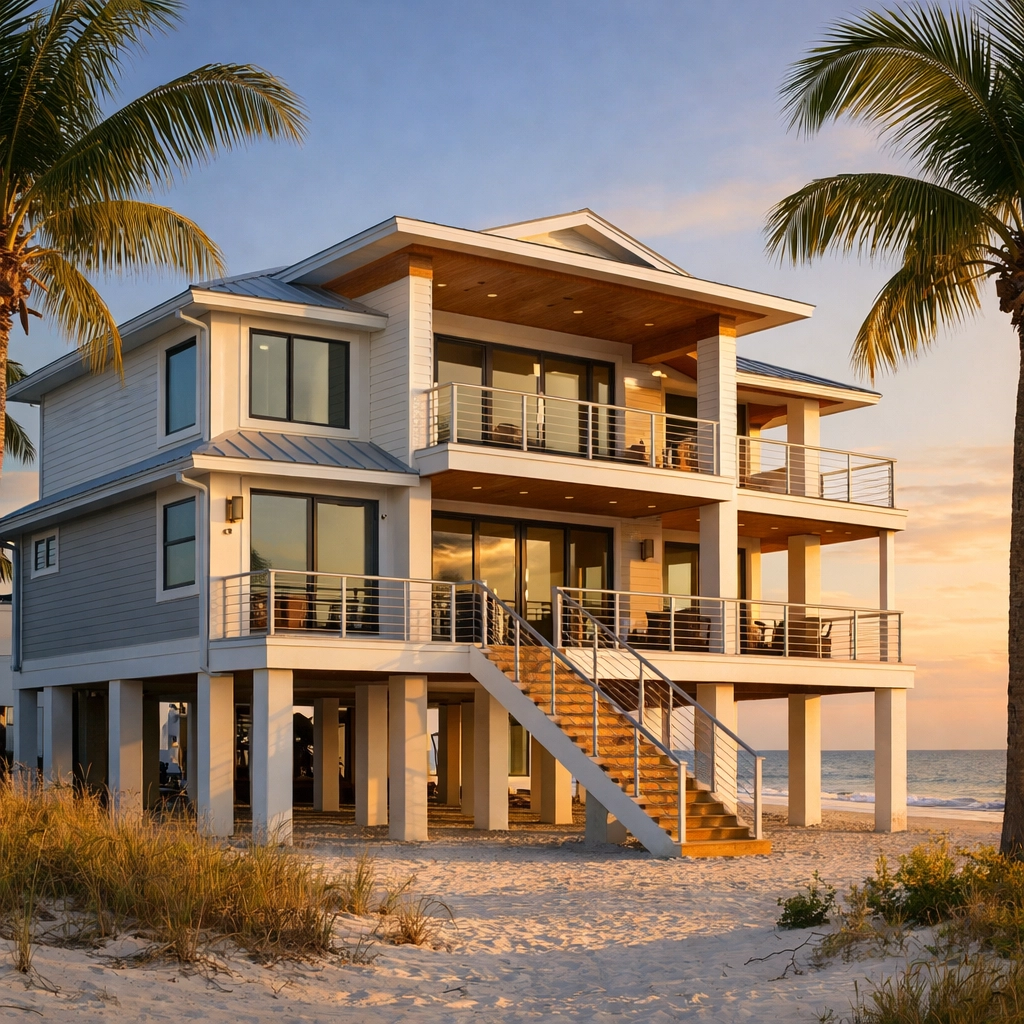
But let's be real: this also means supply is constrained. If you're eyeing short-term rental income, demand is there, but availability remains seasonal and property-specific. The market is rewarding quality over quantity right now. Guests want to stay in places that feel safe, modern, and resilient, and they're willing to pay for it.
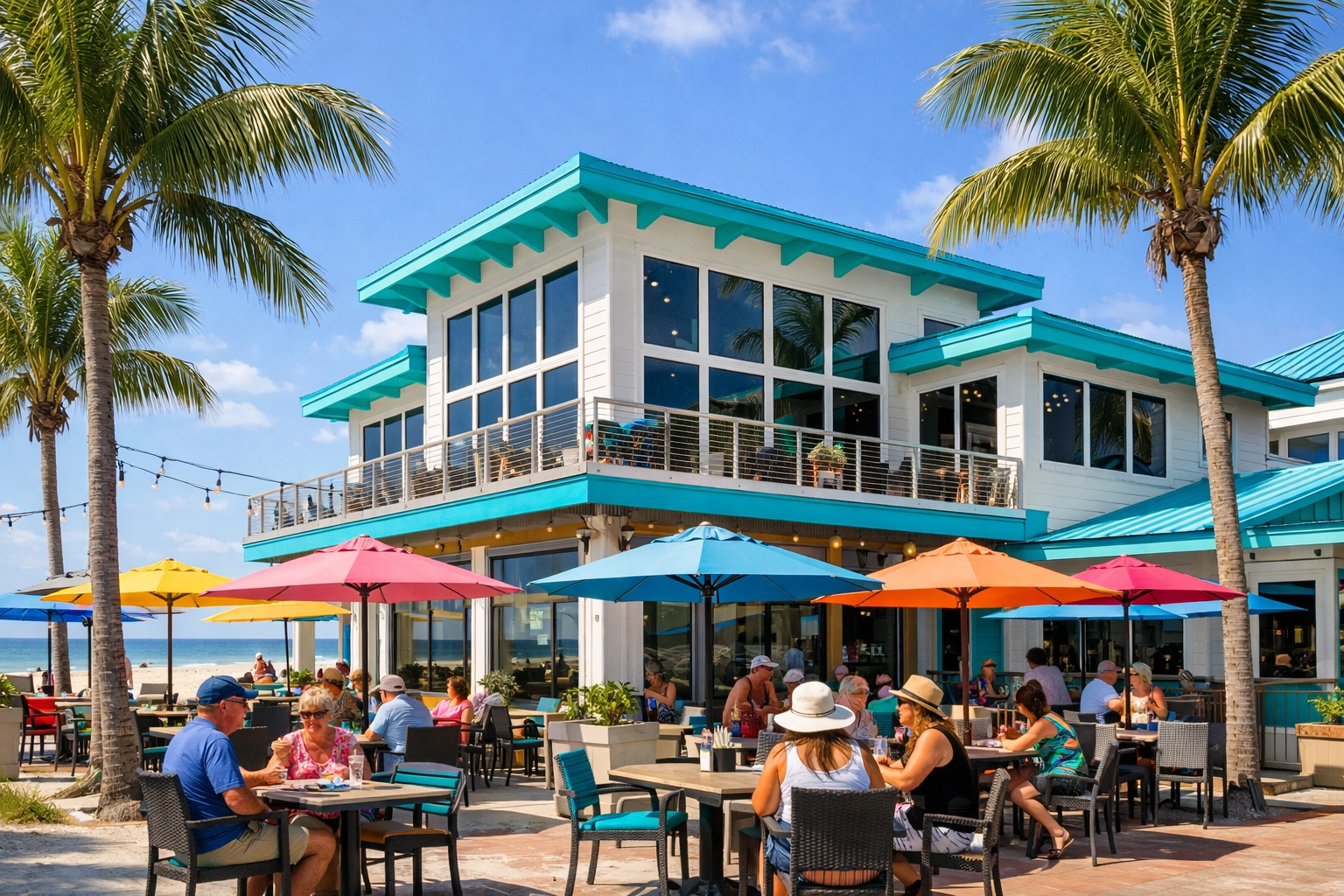
The commercial core around Times Square is also rebounding, but at a measured pace. Smaller, code-compliant storefronts and restaurants are reopening first, which makes sense. Developers are being more cautious, focusing on projects that can clear stricter permitting and insurance hurdles. The days of building fast and cheap are over, resilience is the new standard.
Dining and retail options are still short of pre-Ian levels, which means the island doesn't yet have the full ecosystem that made it such a draw for tourists and residents alike. But the trajectory is upward, and every reopened business strengthens the case for property investment.
What Investors Actually Need to Know
Alright, let's talk turkey. If you're seriously considering Fort Myers Beach investment property in 2026, here's what you're walking into:
The Market is Smaller, But Stronger
Recovery isn't about replacing everything that was lost: it's about building back smarter. That means fewer properties overall, but properties that are more resilient, more insurable, and better positioned for the next 20 years. The vulnerable structures? Many of them aren't coming back, and that's by design.
This is creating a more selective market. If you're buying, you're competing with other investors who understand the long game. If you're building, you're working within tighter standards that raise costs upfront but reduce risk down the line.
Insurance, Financing, and Permitting Have Changed
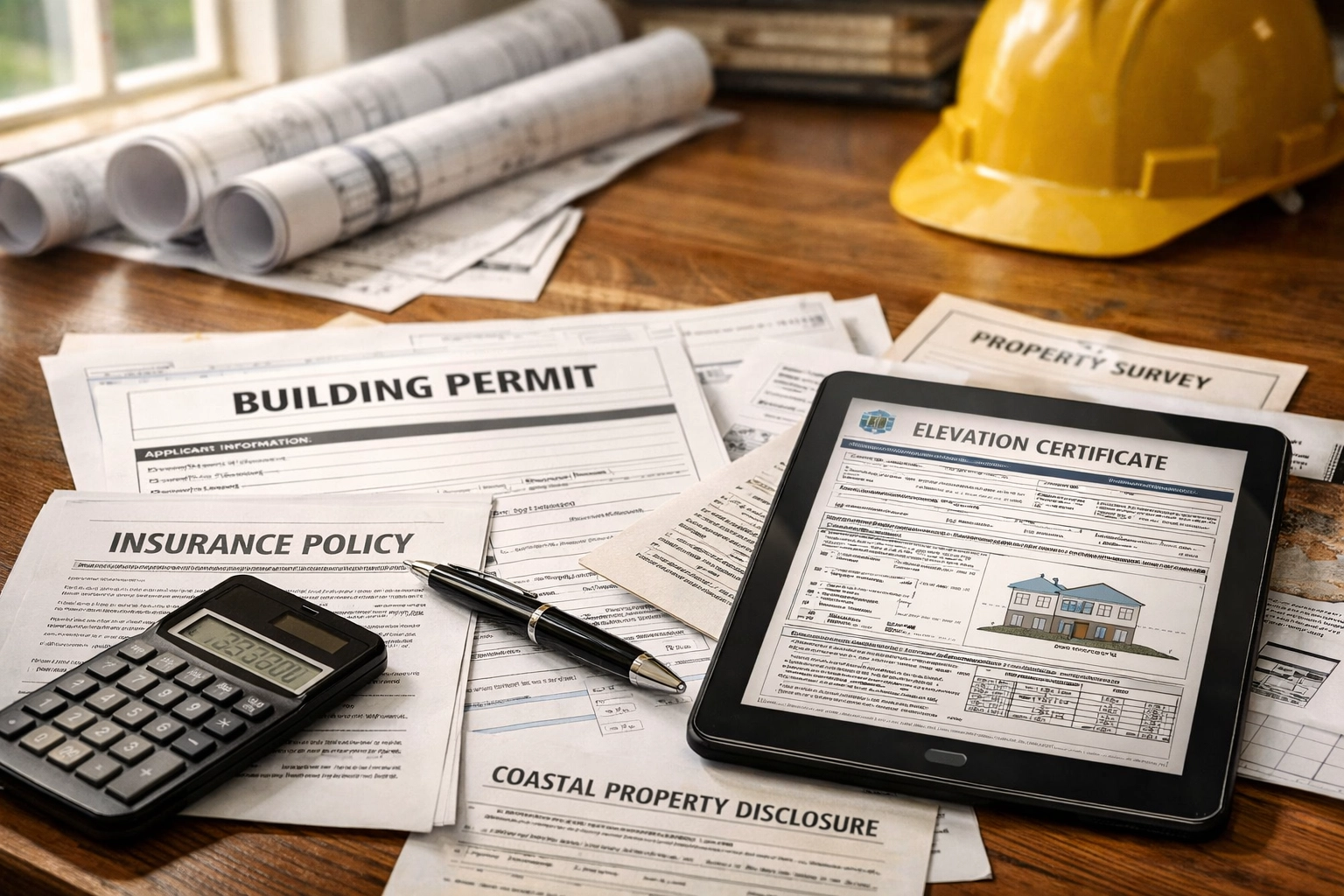
Let's not sugarcoat it: getting a deal done in Fort Myers Beach is harder than it used to be. Insurance carriers are pickier about what they'll cover and at what price. Lenders want to see elevation certificates, wind mitigation reports, and proof that your property meets current building codes. Permitting takes longer because the standards are higher.
This isn't a dealbreaker: it's just the reality of investing in a post-hurricane coastal market. But it does mean you need more capital, more patience, and a team that knows how to navigate these requirements. If you're used to closing deals fast and cheap, this market will humble you.
Timing Matters More Than Ever
Fort Myers Beach in 2026 is a transitional market. You're not buying into a fully recovered island, and you're not buying into a distressed fire-sale environment either. You're somewhere in the middle, which can actually work in your favor if you time it right.
Early movers who bought resilient properties in 2024 and 2025 are already seeing appreciation as inventory tightens. But there's still opportunity in 2026, especially if you're willing to hold through 2027 and beyond as the commercial core fills in, the pier opens, and visitor numbers climb back to pre-storm levels.
So, Is Now the Time?
Here's my take: Fort Myers Beach investment property outlook post-rebuilding is cautiously optimistic, but not for everyone.
If you're looking for a quick flip or easy financing, this probably isn't your market. But if you're a long-term investor who values resilience, limited competition, and a clear rebuilding trajectory, 2026 could be your window.
The island is moving from recovery to growth. Infrastructure improvements are nearly complete. The lodging and commercial sectors are stabilizing. And while the market is smaller than it was, it's also stronger and more sustainable.
You'll need realistic expectations about timelines: recovery extends into 2027 and beyond. You'll need to budget for higher insurance and construction costs. And you'll need to be comfortable with a market that's still very much in transition.
But if you can check those boxes? Fort Myers Beach in 2026 offers something rare: a chance to invest in a coastal market that's rebuilding intentionally, with better infrastructure, stricter standards, and a clear vision for the future.
The Bottom Line
Fort Myers Beach isn't back to "normal": and honestly, it never will be. The island is building something different, something better equipped to handle the realities of coastal living in 2026 and beyond.
For investors, that means opportunity, but only if you're playing the long game. The quick money has already been made (or lost). What's left is a market that rewards patience, due diligence, and a willingness to bet on resilience over speculation.
If you're serious about exploring Fort Myers Beach investment opportunities, now's the time to start doing your homework. Visit the island. Talk to local contractors and insurance agents. Understand the permitting process. And most importantly, don't rush.
The Fort Myers Beach of 2027 and 2028 will look very different from the one you see today: and if you position yourself correctly in 2026, you'll be part of that story.
Want to explore available properties and get connected with local experts who know the Fort Myers Beach market inside and out? Check out our current listings and resources to start your investment journey the right way.