

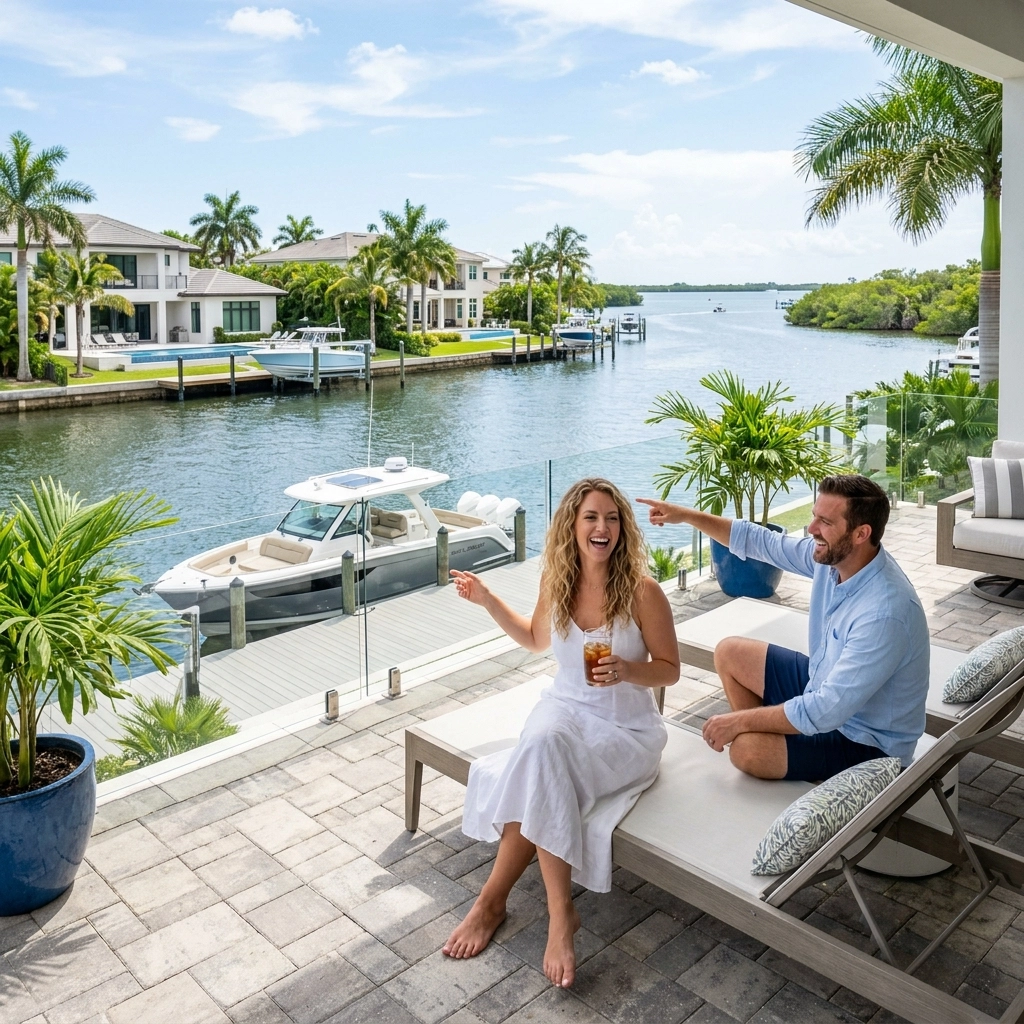
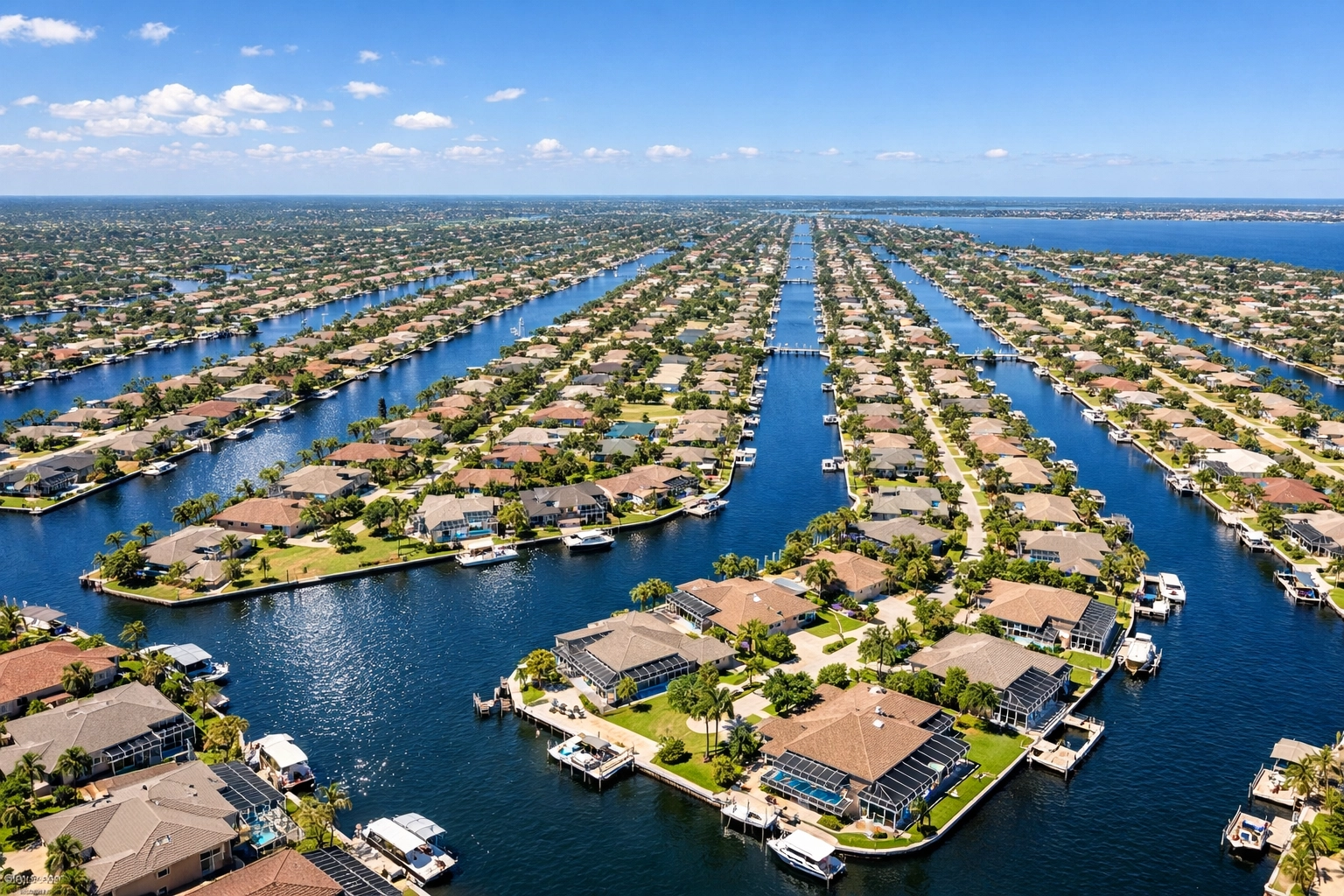
If you’ve ever dreamed of waking up, walking out to your backyard, and hopping on a boat for a day in the sun, Southwest Florida is probably at the top of your list. Between Cape Coral’s 400 miles of canals and the stunning riverfront estates in Fort Myers, we have more waterfront property than almost anywhere else in the world.
But here’s the thing: buying a waterfront home in SWFL isn't like buying a standard house in a suburban cul-de-sac. There are bridges to measure, tides to track, and seawalls to inspect. As the Broker/Owner here at RE/MAX Realty Team, I’ve seen buyers fall in love with a "waterfront" home only to realize their boat won't fit under the bridge or the "Gulf access" takes two hours of idling to reach open water.
To help you navigate these waters, I’ve put together 20 insider tips to ensure your dream home doesn't become a logistical headache.
Understanding the Water Types
1. Define your water type before you shop
Not all water is created equal. In SWFL, you generally choose between Gulf-front, bay-front, saltwater canals, or freshwater canals. Gulf-front properties offer the ultimate view but come with the highest price tags and insurance. Saltwater canals are the most popular for boaters, while freshwater canals are perfect for those who want the view and a lower price point but don't need to reach the ocean.
2. Saltwater vs. Freshwater: Know the difference
This is a big one. Freshwater canals in Cape Coral are landlocked systems. You can boat, fish, and kayak for miles, but you aren't going to the Gulf of Mexico from there. Saltwater canals, on the other hand, lead to the river and eventually the Gulf. If you see a bargain waterfront price, check if it’s freshwater first.
3. "Gulf Access" is a relative term
When you see "Gulf access" in a listing, it simply means you can get to the Gulf. It doesn't tell you how long it takes. Some homes are five minutes from open water; others might require a 90-minute trek through "no-wake" zones. Always ask your realtors cape coral for a "run time" to open water.
4. Sailboat access vs. Bridge-restricted
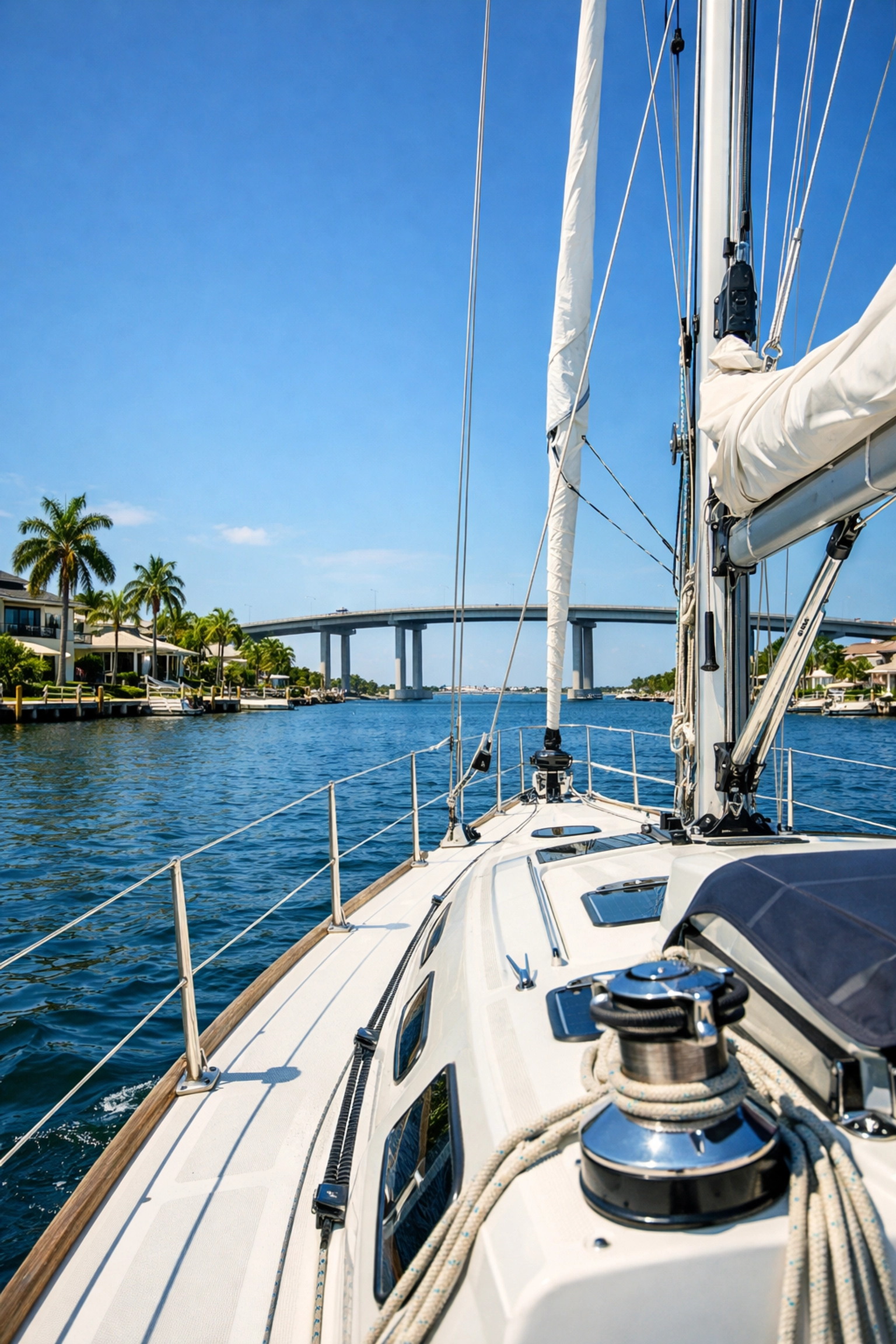
"Sailboat access" means there are zero bridges between your dock and the Gulf. This is essential for large sailboats or tall sportfishers. If a canal is bridge-restricted, there might be a bridge with a clearance of only 8 to 10 feet. If you have a T-top or a flybridge, you might be stuck.
5. The beauty of freshwater alternatives
If you love the lifestyle of waterfront living, morning coffee by the dock, watching the turtles, and kayaking, but you don’t own a massive boat, freshwater canals are an incredible value. You get the lifestyle for a fraction of the cost of saltwater properties.
Boating Logistics and Specs
6. Measure your boat (and then measure again)
Before you start touring homes, know your boat’s height (air draft) and its depth (water draft). You don’t want to buy a beautiful home only to realize the canal is too shallow for your keel at low tide.
7. The "Low Tide" reality check
Southwest Florida has "skinny water" in some areas. During the winter months, tides can drop significantly. If a canal looks deep in July, it might be nearly dry in January. Always check the water depth at mean low tide before signing a contract.
8. Calculate your frontage needs
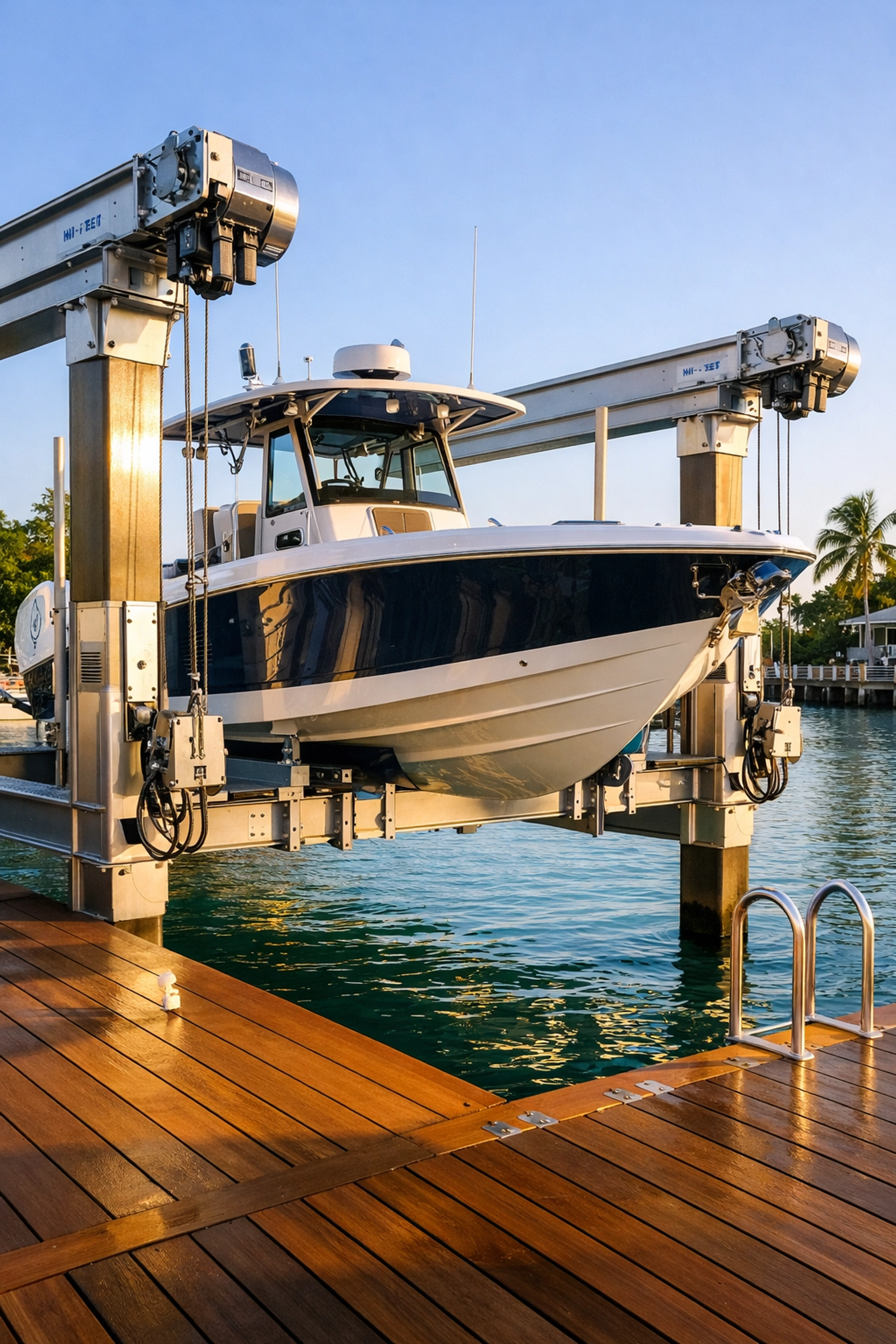
Standard lots in Cape Coral are often 80 feet wide, but that doesn't mean you can put an 80-foot boat there. You have to account for setbacks and the space required for boat lifts and pilings. If you plan on having multiple watercraft, the length of your seawall is your most important metric.
9. Permitting for docks and lifts
Don’t assume you can just build whatever dock you want. There are strict city and environmental regulations regarding how far a dock can extend into a canal. If the home doesn't have a dock yet, verify that the shoreline is permitted for the size you need.
The "Hidden" Structures: Seawalls and Elevations
10. The Seawall inspection is non-negotiable
The seawall is the most expensive "invisible" part of your home. Replacing an average seawall can cost $20,000 to $40,000 or more. Never buy a waterfront home without a specific seawall inspection. Look for "bowing" (where the wall curves out toward the water) or large cracks in the "cap" (the concrete top of the wall).
11. Look for sinkholes near the wall
If you see small holes or depressions in the grass right behind the seawall, it could mean the "deadmen" (the anchors holding the wall in place) are failing or the soil is washing out through cracks in the wall panels. This is a red flag that needs professional eyes.
12. Check the elevation and build date
In SWFL, homes built after 2002 generally follow stricter elevation standards. This is crucial for your flood insurance premiums. A home sitting just a foot higher than its neighbor can save you thousands of dollars a year in insurance costs.
Financials and Neighborhoods
13. Budget for flood insurance
Living on the water means flood insurance is a fact of life. Rates have changed recently due to FEMA’s Risk Rating 2.0. When you find a house you like on swflhomestoday.com, ask for the current owner's insurance declaration page to see what they are paying.
14. Understand HOA fees in Cape Coral
If you are looking at gated communities in cape coral florida, such as Cape Harbour or Tarpon Point, you will have HOA fees. These fees often cover things like 24-hour security, community pools, and even lawn maintenance. Make sure the HOA fees Cape Coral residents pay in those areas fit into your monthly budget alongside your mortgage.
15. Saltwater maintenance is a real thing
The salt air is beautiful, but it’s tough on metal. Expect to spend a bit more on home maintenance, things like AC condensers, outdoor kitchens, and boat lifts need more frequent rinsing and servicing than they would inland.
16. Know your Cape Coral Quadrants
Cape Coral is divided into four quadrants: SE, SW, NE, and NW. Historically, the SE and SW quadrants have the most established saltwater canal systems. However, the NW is booming right now with newer homes and larger lots. Understanding the cape coral quadrants is key to finding the right balance between price and boat run-time.
Property Features and Lifestyle
17. Impact windows and doors are a "Must"
When you’re on the water, you have less protection from the wind during a storm. Prioritize homes that already have impact-rated windows and doors. Not only do they keep you safe, but they also significantly lower your insurance premiums and keep your home much quieter.
18. Exposure matters (The Sun Factor)
In Florida, "Western Exposure" is highly sought after because you get those legendary SWFL sunsets from your pool deck. However, it also means your patio will be very hot in the afternoon. If you prefer a cooler afternoon on the lanai, look for Southern or Eastern exposure.
19. Don't go it alone
The waterfront market moves fast, and the technical details are dense. You need cape coral real estate agents who actually spend time on the water. You want someone who can tell you, "Hey, that canal is known for being shallow," or "That bridge is lower than the standard height."
20. Think about resale from day one
Even if you don't own a boat, buying a home with "Sailboat Access" is usually a better investment. When it comes time to sell, your pool of buyers will be much larger because your home accommodates every type of boater.
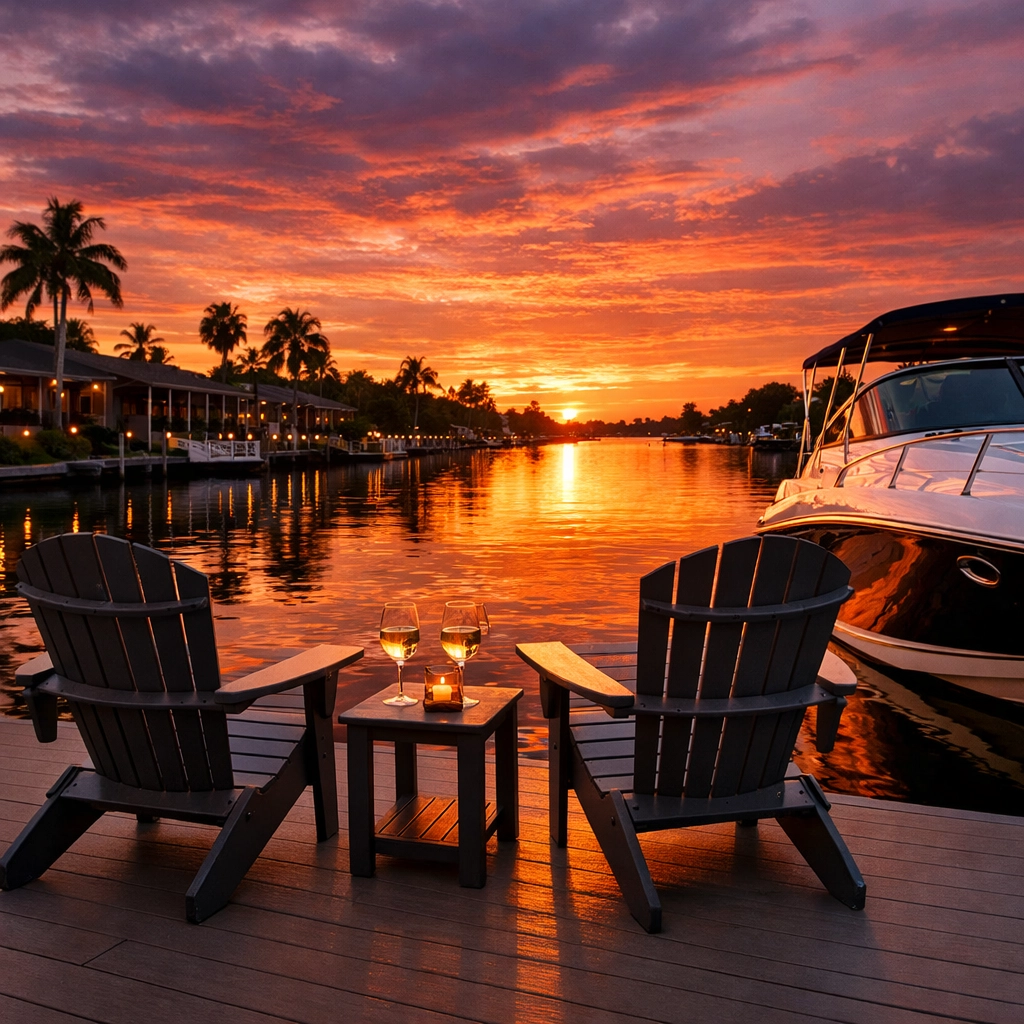
Summary: Your Waterfront Checklist
Buying a waterfront home in SWFL is one of the most rewarding moves you can make, but it requires a bit more homework than a standard purchase. To keep it simple, remember these three "S" words: Seawall, Sailboat-access, and Sub-tropical maintenance.
Always verify the water depth, check your bridge clearances, and make sure you understand the nuances of the specific quadrant you're looking in. Whether you're looking for a quiet freshwater retreat or a luxury estate with direct Gulf access, our team at RE/MAX Realty Team is here to help you navigate the process.
Ready to start your search? Head over to swflhomestoday.com to see the latest listings and find your slice of paradise!