

If you’ve ever dreamed of waking up, grabbing a cup of coffee, and walking out to your backyard to see your boat docked and ready for a day on the Gulf, you’re in the right place. Southwest Florida (SWFL) is the boating capital of the world for a reason. Between Cape Coral’s 400 miles of canals and the luxury estates of Naples, the options are endless.
But here’s the thing: buying a waterfront home isn’t like buying a standard suburban house. There are bridges to measure, seawalls to inspect, and "quadrants" to understand. As your local experts at RE/MAX Realty Team, we want to make sure you don't just find a house, but the right waterfront lifestyle.
Let’s dive into everything you need to know about the SWFL waterfront market in 2026.
Understanding the Three Tiers of Waterfront Living
Not all water is created equal. Depending on your budget and how you plan to use your boat, you’ll likely fall into one of these three categories:
1. Canalfront Homes
This is the bread and butter of Cape Coral and parts of Fort Myers. Canals offer the most "bang for your buck."
- Gulf Access Canals: These lead out to the river and the Gulf of Mexico.
- Freshwater Canals: These are landlocked. They are beautiful for kayaking, fishing, and electric boats, but you won’t be taking your 30-foot center console to the beach from here.
2. Bayfront Homes
Found in areas like Bonita Springs, Estero, and Naples Bay. These offer wider views and often feel more "open" than a canal. You’ll see more wildlife here: dolphins and manatees love the bays: but you’ll also pay a premium for that view.
3. Gulf-front Homes
The ultimate luxury. These are the homes where your backyard is the sand. You’ll find these on Fort Myers Beach, Sanibel, Captiva, and Naples. They come with higher insurance costs and stricter building codes, but the sunsets are literally priceless.
The Cape Coral Deep Dive: Quadrants and Access
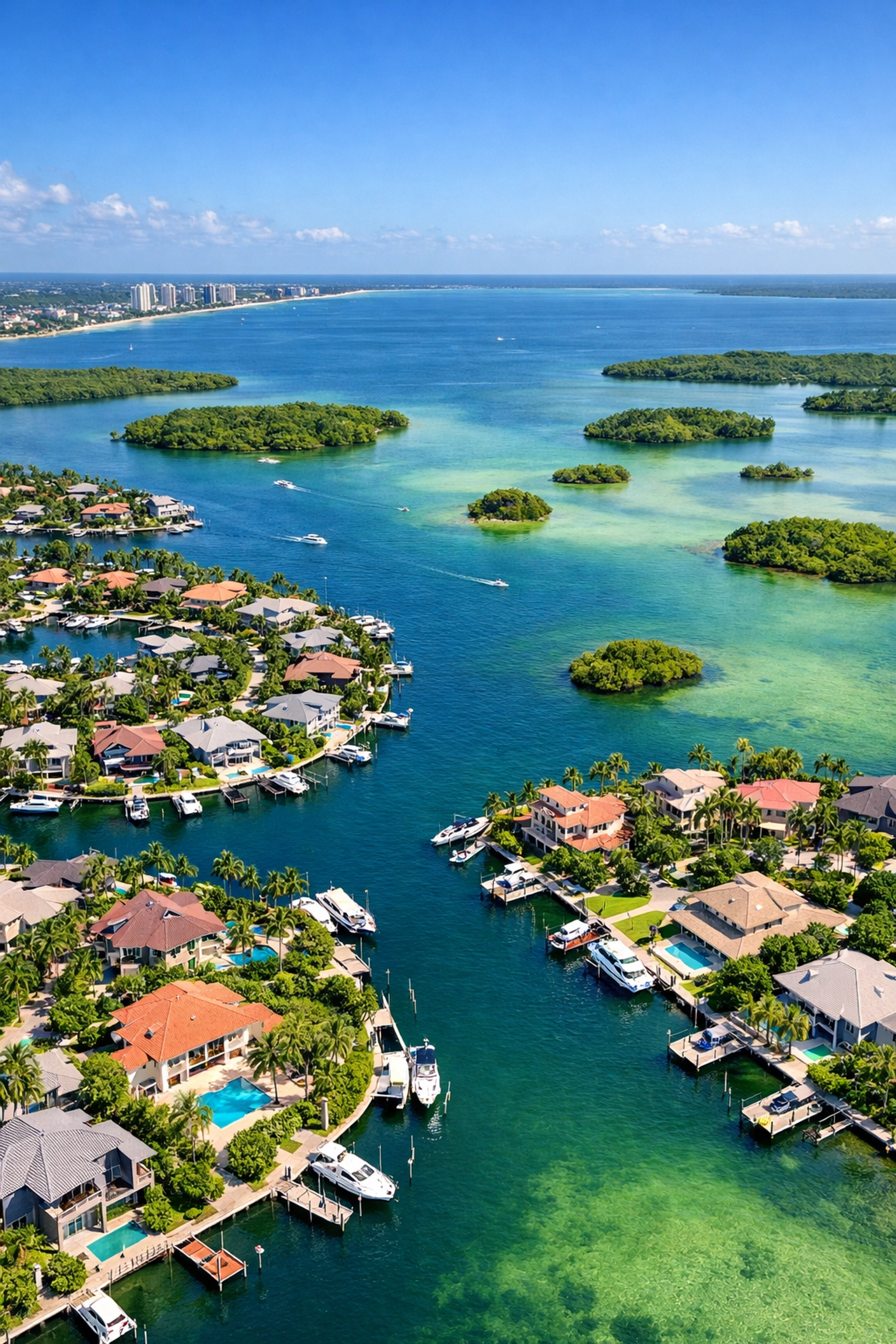
If you’re looking at realtors Cape Coral has to offer, the first thing they should explain to you is the quadrant system. Cape Coral is divided into Northwest (NW), Northeast (NE), Southwest (SW), and Southeast (SE).
- Southwest & Southeast: These are the most established areas for waterfront living. The SE quadrant is the oldest part of the city, meaning many homes have "Sailboat Access": a term you’ll hear a lot.
- Sailboat Access: This means there are no bridges between your dock and the Gulf of Mexico. If you have a boat with a high mast or a large T-top, this is non-negotiable.
- Northwest: This area is booming with new construction. It’s quieter and often offers larger lots, but pay attention to the "boat run" (the time it takes to get from your house to open water). Some boat runs in the North can take 45–60 minutes at "no-wake" speeds.
When browsing www.swflhomestoday.com, pay close attention to the "bridge maps." A home might look close to the water, but if there’s a 9-foot bridge in the way and your boat needs 10 feet of clearance, you’re going to have a bad time.
Gated Communities vs. Custom Waterfront Lots
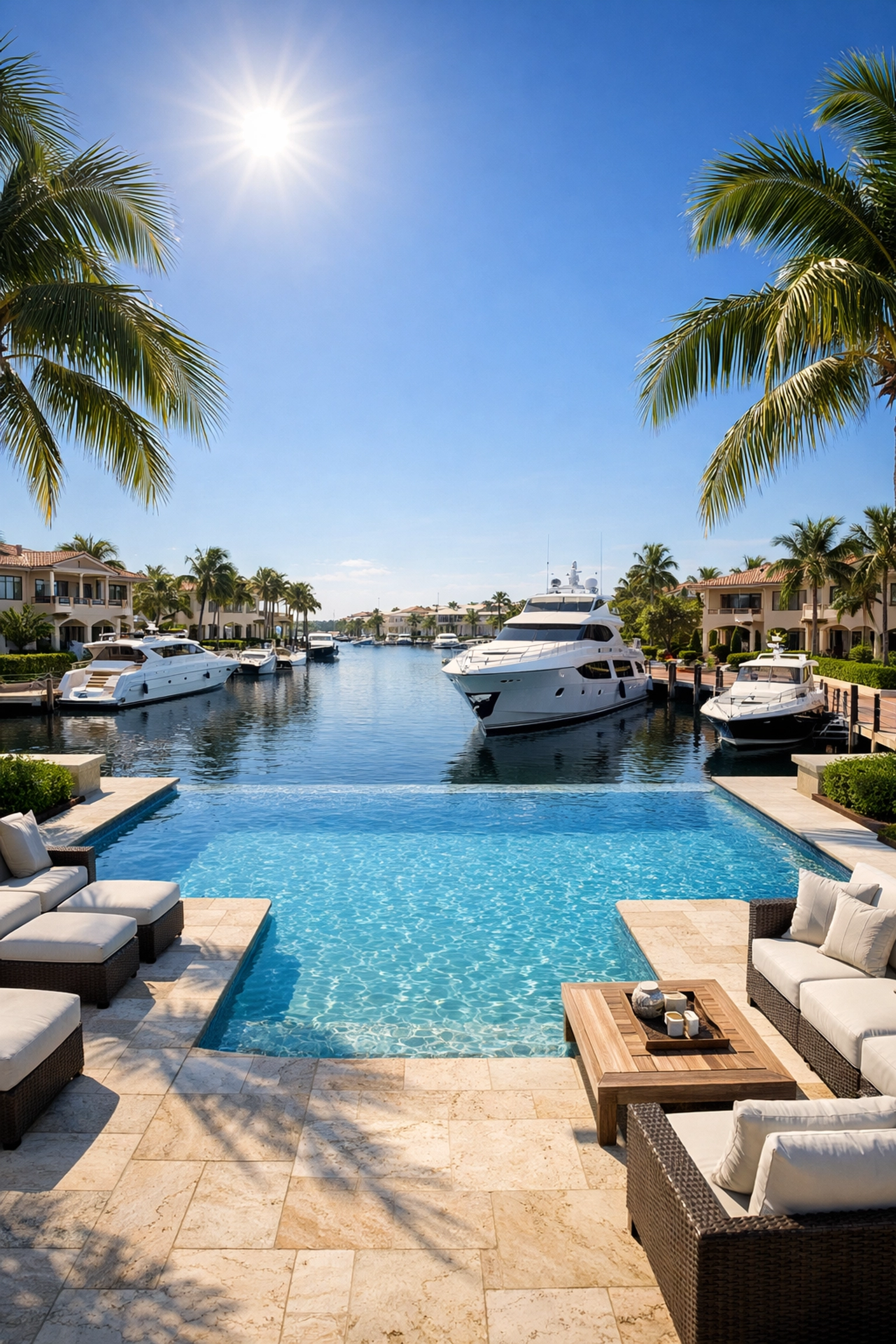
Many people moving to the area ask about gated communities in Cape Coral Florida. While much of the waterfront property in the Cape is "off-grid" (meaning no HOA and more freedom), there are several prestigious gated options.
Communities like Cape Harbour and Tarpon Point offer a resort-style lifestyle with marinas, shops, and restaurants right on-site. The benefit here is security and community amenities. The downside? HOA fees Cape Coral residents pay in these areas can range from a few hundred to over a thousand dollars a month, depending on the level of luxury and maintenance provided.
If you prefer more privacy and no "rules" about what color you can paint your front door, a stand-alone waterfront lot in the SW or NW quadrants might be more your speed.
The "Boring" Stuff That Matters: Seawalls and Insurance
This is where working with experienced Cape Coral real estate agents saves you thousands of dollars. When you look at a waterfront home, don't just look at the kitchen: look at the seawall.
- Concrete Seawalls: Most homes in our area have concrete seawalls. Look for cracks or "bowing." A failing seawall can cost $50,000 to $100,000+ to replace in today's market.
- Rip-Rap: Some areas use sloped rocks (rip-rap) instead of a vertical wall. This is often more eco-friendly but requires different maintenance.
- Elevation & Flood Zones: Post-2022, building codes and FEMA maps have changed. You need to know the elevation of the living floor. A home built at a higher elevation will have significantly lower insurance premiums. Speaking of which, always get an insurance quote before you exit your inspection period.
Market Trends: Is 2026 a Good Time to Buy?
As of March 1, 2026, we are seeing a shift. Inventory has increased significantly compared to the "frenzy" years of the early 2020s. This is great news for buyers. You actually have time to think, negotiate, and do your due diligence.
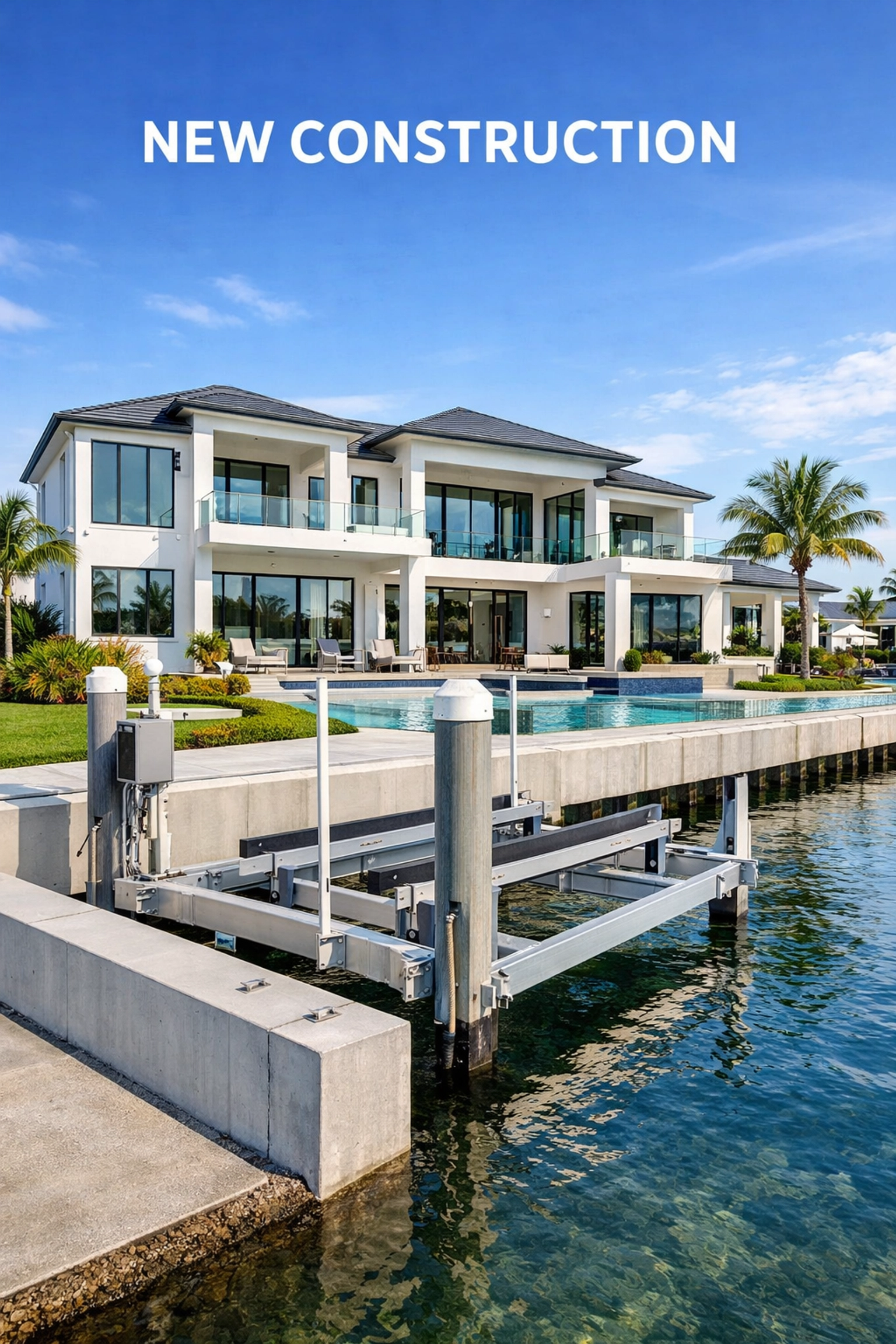
Well-priced homes with "Direct Gulf Access" are still the gold standard and hold their value remarkably well. We are also seeing a trend toward new construction. Many buyers are opting to buy a lot and build a modern, hurricane-ready home from scratch rather than renovating an older 1980s "Florida Ranch" style home.
Pro Tips for Waterfront Success
- Check the Tide: When viewing a home, try to see it at low tide. This will show you if the canal gets too shallow for your specific boat.
- The "Idle Speed" Factor: Many canals are "No Wake" zones. If you live 5 miles up a canal, you’ll be idling at 4 mph for a long time. Make sure you enjoy the "slow life" if you pick a home deep in the canal system.
- Lift Capacity: Don't assume the existing boat lift can hold your boat. Check the weight rating. Upgrading a lift is easier than replacing a seawall, but it’s still an expense to budget for.
- Local Knowledge: Use a site like www.swflhomestoday.com to filter specifically for "Gulf Access" vs. "Freshwater." It will save you hours of scrolling through homes that don't fit your boating needs.
Why Local Expertise Matters
Waterfront real estate in Southwest Florida is a specialized niche. From understanding the "Burnt Store" area to navigating the locks in the Cape Coral canal system, there are a lot of moving parts.
At RE/MAX Realty Team, we live and breathe this lifestyle. We know which canals are prone to silt, which neighborhoods have the lowest HOA fees, and which areas offer the quickest access to the best fishing spots in Pine Island Sound.
Summary: Your Waterfront Checklist
Buying a waterfront home is about more than just a view; it's about a lifestyle. To succeed:
- Identify your boat's needs: Mast height, draft, and length.
- Pick your quadrant: SW/SE for established proximity, NW/NE for space and new builds.
- Inspect the infrastructure: Seawall, dock, and lift are just as important as the roof.
- Calculate the total cost: Factor in HOA fees, higher insurance, and boat maintenance.
Ready to start your search? Whether you're looking for a cozy canal cottage or a sprawling Gulf-front estate, we're here to help you navigate the waters. Check out the latest listings at www.swflhomestoday.com and let's get you on the water!