

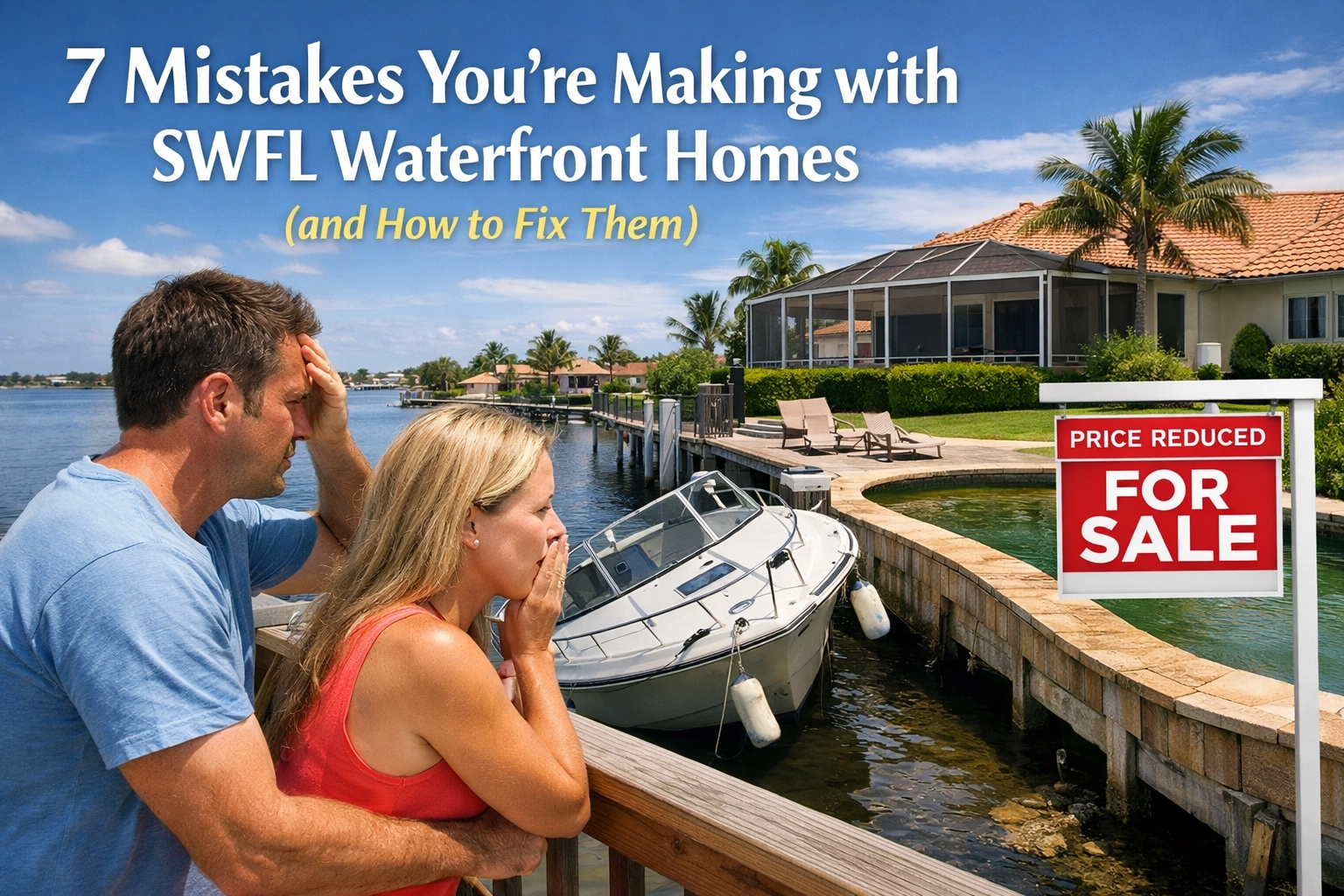
Living in Southwest Florida is a dream for many. Whether you’re eyeing the sprawling canal systems of Cape Coral or the riverfront estates in Fort Myers, there is nothing quite like waking up to the sun hitting the water right outside your back door. As cape coral real estate agents, we see people fall in love with these properties every single day.
However, owning a waterfront home in SWFL isn’t just about buying a boat and a pair of flip-flops. It’s a specialized type of homeownership that comes with its own set of rules, maintenance requirements, and potential headaches. If you aren't careful, that "dream home" can quickly turn into a money pit.
At RE/MAX Realty Team, we want you to enjoy the lifestyle without the stress. Here are the seven biggest mistakes we see owners making with SWFL waterfront homes: and exactly how you can fix (or avoid) them.
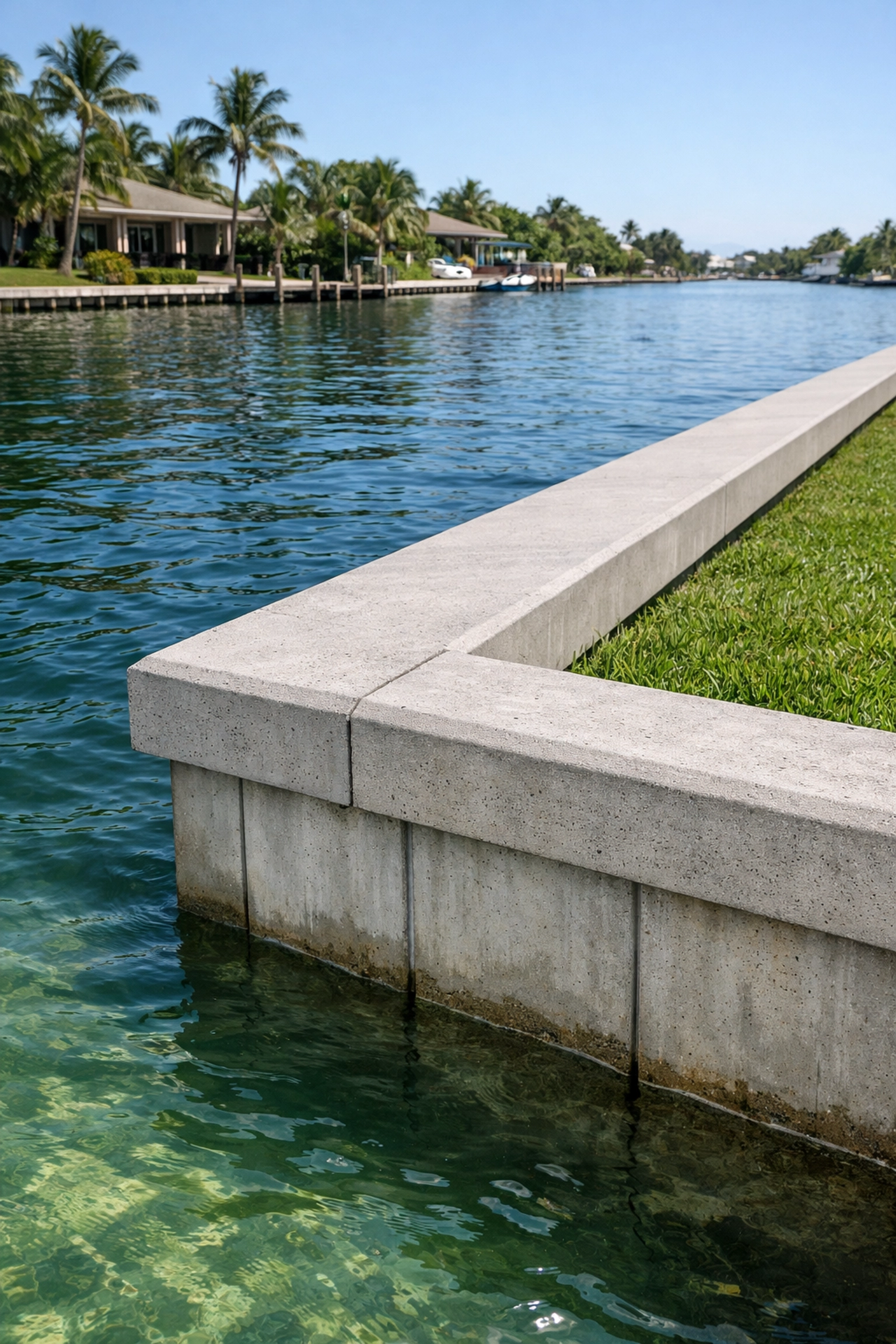
1. The "Out of Sight, Out of Mind" Seawall Strategy
The seawall is arguably the most important structural element of a waterfront property, yet it’s often the most neglected. Many homeowners assume that if the wall is standing and they don’t see any massive chunks of concrete missing, everything is fine.
The Mistake: Neglecting regular inspections because the surface looks okay. In reality, the most dangerous damage happens underwater or behind the wall. Soil erosion can create "voids" or sinkholes in your backyard that you won't notice until the ground literally gives way.
The Fix: Schedule a professional seawall inspection at least once a year. Look for "weep holes" that are clogged or cracks in the "cap" (the top part of the wall). If you see the soil pulling away from the wall or small sinkholes forming near the edge, call a marine contractor immediately. A $500 maintenance fix today is much better than a $40,000 replacement next year.
2. Waiting for the "Big Break" to Do Repairs
In the world of SWFL waterfront homes, procrastination is your bank account’s worst enemy. Florida’s marine environment is harsh. We have high salt content in the air, intense UV rays, and constant wave action from boat traffic.
The Mistake: Delaying minor repairs like hairline cracks or small rust spots on your boat lift. What starts as a tiny bit of corrosion on a metal joint can lead to a structural failure during a summer storm.
The Fix: Be proactive. If you see rust, treat it. If you see a small crack in your dock’s concrete, seal it. Because salt acts as an accelerant for decay, a "minor" issue in January can become a "major" crisis by July. If you’re looking at homes in gated communities in cape coral florida, check if the HOA has specific standards for waterfront maintenance: sometimes they require you to keep things in tip-top shape.
3. Picking Materials for "Looks" Over "Life"
We all want a gorgeous dock that looks like something out of a luxury magazine. But in Southwest Florida, beauty must follow function.
The Mistake: Using standard construction materials or hardware store "solutions" that aren't rated for a marine environment. That beautiful wood you saw at the big-box store might look great on a patio in Ohio, but it will rot or warp in three years on a canal in Cape Coral.
The Fix: Invest in marine-grade materials. This means pressure-treated lumber specifically rated for immersion, composite decking (like Trex or WearDeck) that won't splinter or rot, and stainless steel or galvanized hardware that won't dissolve in the salt air. It costs more upfront, but it’s a one-and-done investment.
4. Getting Tangled in the Permitting Web
One of the most unique things about Cape Coral is its quadrant system. Whether you are in the cape coral quadrants of the SE, SW, NE, or NW, the rules for what you can build on your water can vary wildly.
The Mistake: Assuming you can just "add a boat lift" or "extend the dock" without checking local regulations. The City of Cape Coral and Lee County have very strict rules regarding how far a dock can extend into a canal (to maintain navigation) and what kind of canopy covers you can use.
The Fix: Before you even buy a property, talk to realtors cape coral experts who know the specific waterway rules. If you already own the home, never start a project without a permit. Florida’s environmental agencies (like the DEP) don't play around. If you build illegally, you’ll not only pay a fine, but you might also be forced to tear the whole thing down.
5. Underestimating the "Florida Summer" (Storm Prep)
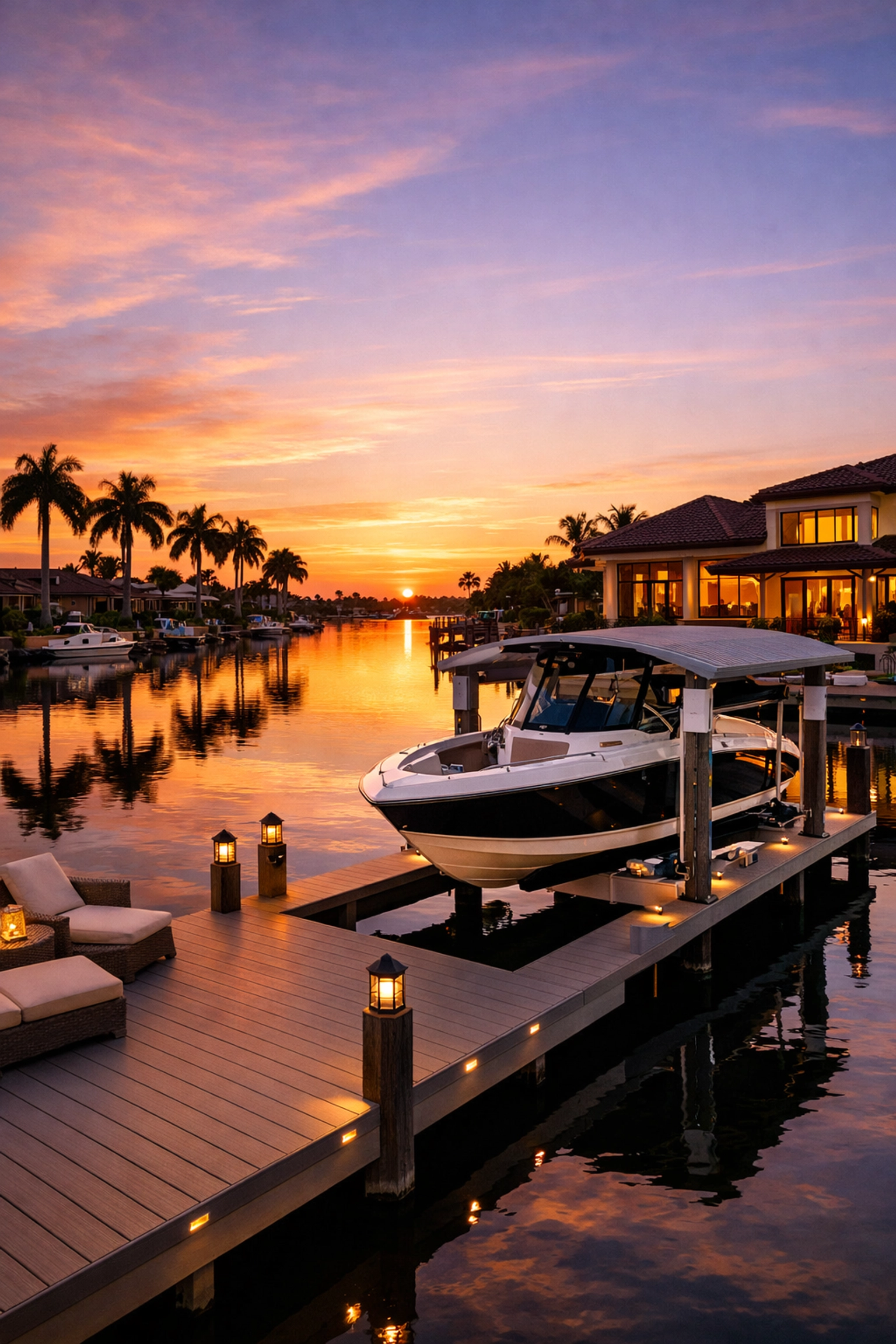
We love our sunshine, but we also have a serious hurricane season. Waterfront homes are on the front lines when the wind picks up and the surge rises.
The Mistake: Inadequate storm preparation for the water side of the house. People remember to shutter their windows, but they forget to secure their boat lifts, tie down their docks, or move their outdoor "lanai" furniture that can become a projectile over the water.
The Fix: Make a "Waterfront Storm Plan." This includes knowing where you will move your boat (or how to properly secure it on the lift) and ensuring your dock is engineered to handle a surge. If you are buying a new home, check the age of the boat lift and the weight capacity. An old, under-powered lift is a liability in a tropical storm.
6. The "I Can Do It Myself" Mentality
We love a good DIY project, but marine construction is a different beast entirely.
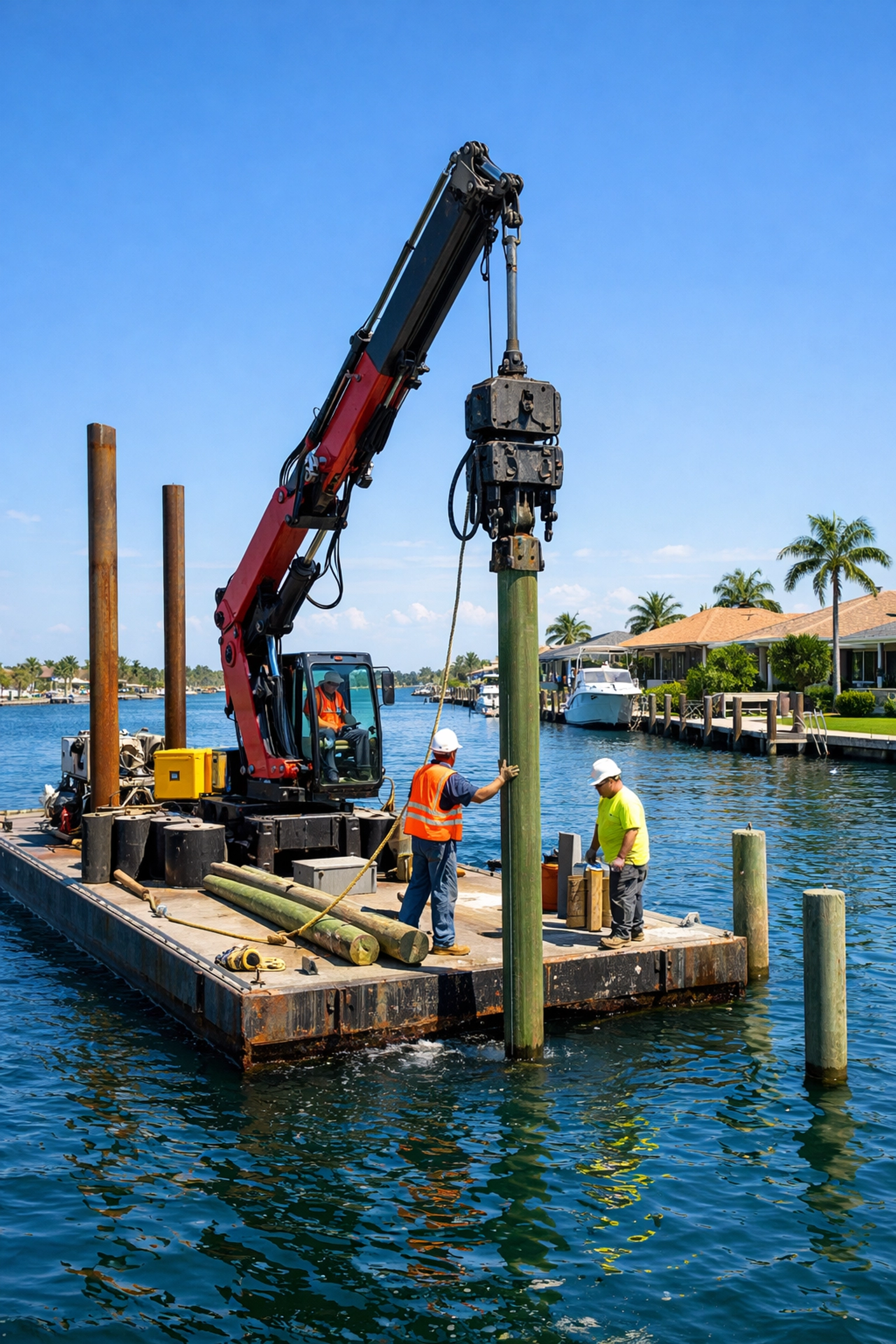
The Mistake: Attempting DIY repairs on seawalls, docks, or boat lifts. Underwater work requires specialized hydraulic tools, and structural marine engineering requires an understanding of water pressure and soil loads that most of us just don't have.
The Fix: Hire licensed and insured marine contractors. Not only is it safer, but it also protects your property value. When you go to sell your home, the buyer’s inspector will check those permits. If the work looks "homemade," it could kill your deal or lead to massive price concessions. You can find more tips on what to look for in a property at www.swflhomestoday.com.
7. Ignoring the "Hidden" Costs: Elevation and Insurance
This is the biggest mistake buyers make when looking at SWFL waterfront homes. They see the price tag on the listing but forget the monthly "carry" costs.
The Mistake: Overlooking the flood zone designation and the elevation of the home. Two houses right across the street from each other can have wildly different insurance premiums based on just a few inches of elevation. Also, people often forget to factor in HOA fees Cape Coral residents might pay in specialized waterfront communities.
The Fix: Before you sign a contract, request an Elevation Certificate and a flood insurance quote. In SWFL, we talk a lot about "Flood Zones." A home in an "AE" zone is generally more affordable to insure than one in a "VE" (Velocity) zone. Also, check the "Base Flood Elevation" (BFE) compared to the home’s actual floor height. Being even six inches above the BFE can save you thousands of dollars a year in premiums.
Summary: Your Waterfront Checklist
Owning a piece of the Florida shoreline is one of the best ways to live. To make sure your experience stays more "sunset cruises" and less "structural failures," keep these takeaways in mind:
- Inspect the Seawall: Don't wait for a hole to appear in your yard.
- Think Long-Term: Use marine-grade materials every single time.
- Know Your Quadrant: Rules in the NW are different than the SE. Work with local experts.
- Check the Numbers: Elevation and insurance are just as important as the number of bedrooms.
- Don't DIY the Big Stuff: Leave the heavy lifting to the pros.
If you’re looking to navigate the waters of the local market, the team at RE/MAX Realty Team is here to help. From understanding gated communities in cape coral florida to finding the perfect direct-access lot in Fort Myers, we have the local expertise you need.
Ready to find your dream waterfront home? Visit us at www.swflhomestoday.com to browse the latest listings and get more expert advice on the SWFL lifestyle!