

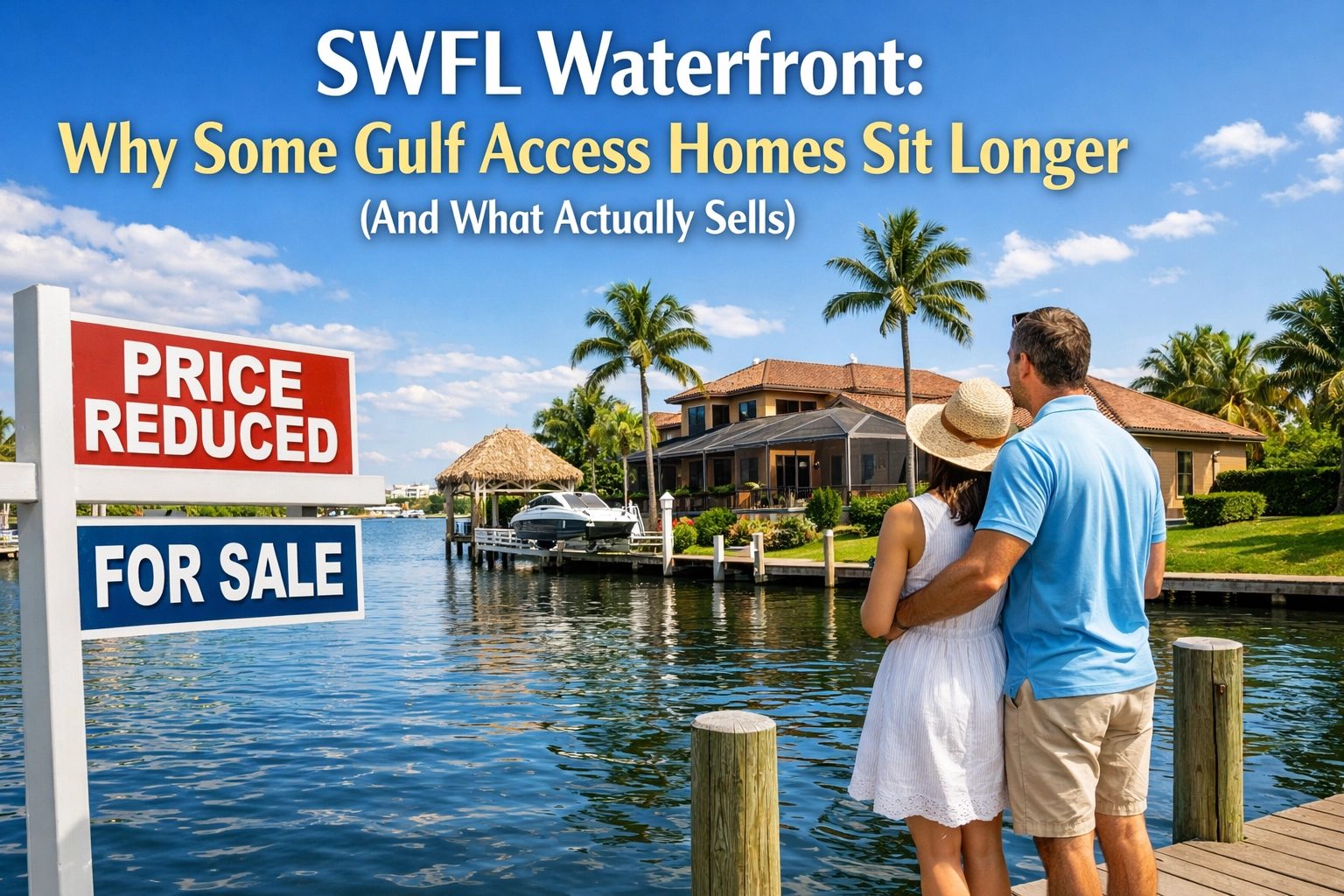
If you've been watching the Southwest Florida waterfront market lately, you've probably noticed something interesting: some gorgeous Gulf access homes are sitting for months, while others with similar features sell in weeks. What gives?
The truth is, the SWFL waterfront market in 2026 looks nothing like it did two years ago. Inventory is up, buyer expectations have shifted, and the difference between a home that moves quickly and one that lingers often comes down to a handful of specific factors that have little to do with the view.
Let me break down what's actually happening out there: and what it means if you're buying or selling waterfront property this year.
The New Reality: Why Some Gulf Access Homes Are Gathering Dust
Pricing That's Stuck in 2022
Here's the uncomfortable truth: a lot of waterfront sellers are still pricing like it's the pandemic boom. Communities across Cape Coral are seeing re-list rates between 27% and 60%, which basically means sellers are having to take another swing at pricing after their initial listing expires without a sale.
Tarpon Point, one of our luxury waterfront communities, is hitting a 60% re-list rate. That's not a coincidence: it's a clear signal that pricing expectations and market reality are miles apart. When six out of ten listings have to go back to the drawing board, the message is pretty clear: the market is telling sellers to adjust.
The Insurance Wake-Up Call
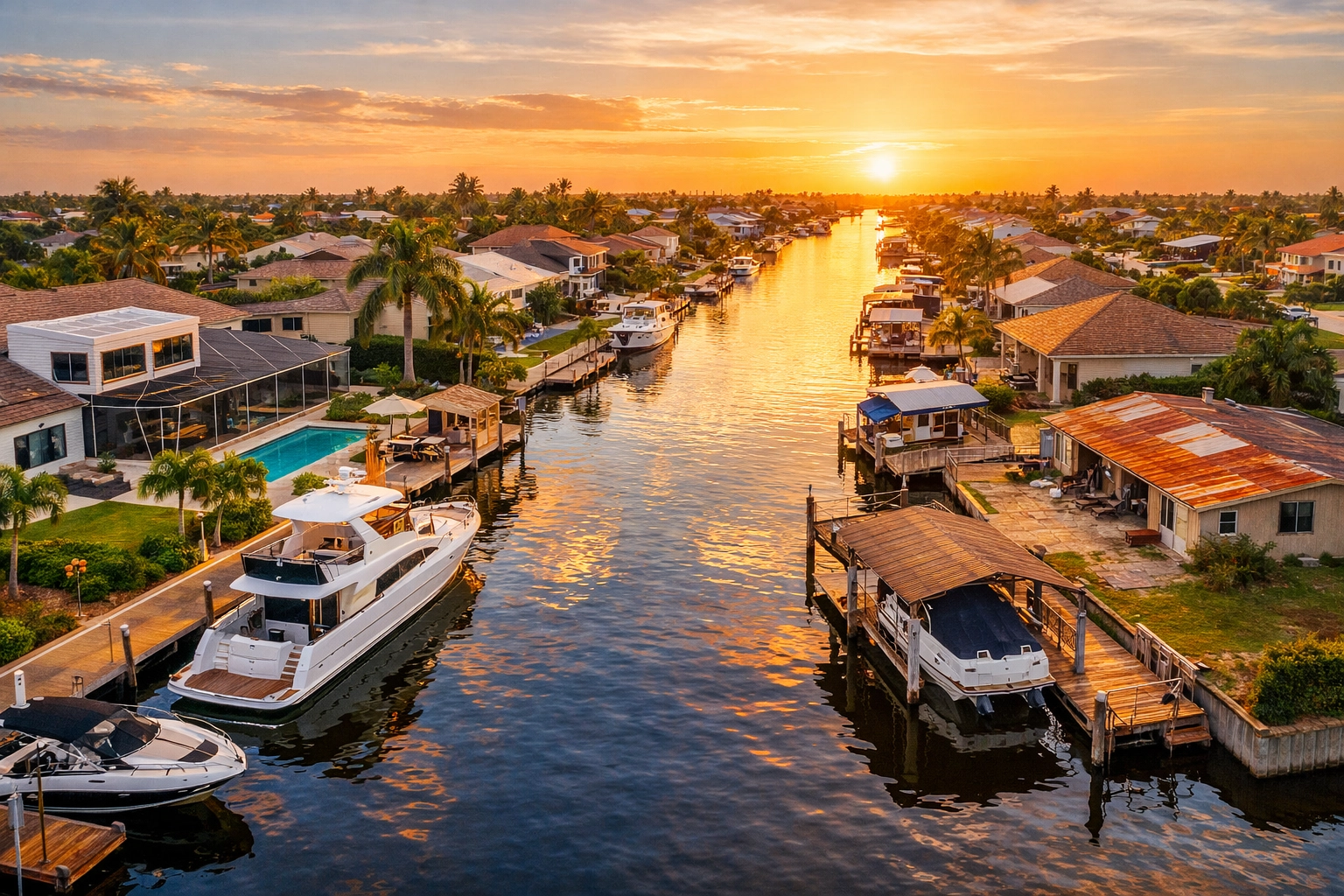
Even when buyers fall in love with a property, the conversation often hits a wall when insurance quotes come back. Waterfront homes: especially those along the Caloosahatchee River: are routinely listing at $900K and up, but buyers are experiencing serious sticker shock when they see what flood insurance actually costs in 2026.
It's not just the mortgage anymore. Between rising homeowners insurance and flood zone premiums, the total monthly cost can jump by hundreds or even thousands of dollars compared to what buyers were expecting. And that's causing a lot of deals to fall apart before they even get to the closing table.
There's Just… A Lot Out There
Inventory levels tell the story pretty clearly. Waterfront listings in Cape Coral are up over 25% year-over-year, and we're looking at 12+ months of supply in many segments. For context, a "balanced" market usually sits around 6 months of supply.
What does that mean for you? If you're a buyer, you've got options: and time to be picky. If you're a seller, you're competing with a lot more properties than you would have been a year ago, and buyers know they have the upper hand.
So What Actually Sells? (And How Fast)
The good news: waterfront homes are still selling. The even better news: we can see clear patterns in what's moving versus what's not.
Pricing Discipline Wins Every Time
Cape Royal is a perfect case study. With just a 27% re-list rate and a sale-to-list ratio of 94%, properties there are finding buyers relatively quickly because sellers are pricing with the market, not against it. The average days on market? Just 42 days: almost half what we're seeing in other waterfront communities.
Compare that to Cape Harbour at 90 days on market, or the broader luxury waterfront segment where properties are sitting for two months or more. The difference isn't necessarily the homes themselves: it's how accurately they're priced from day one.
Infrastructure and Condition Matter More Than Ever
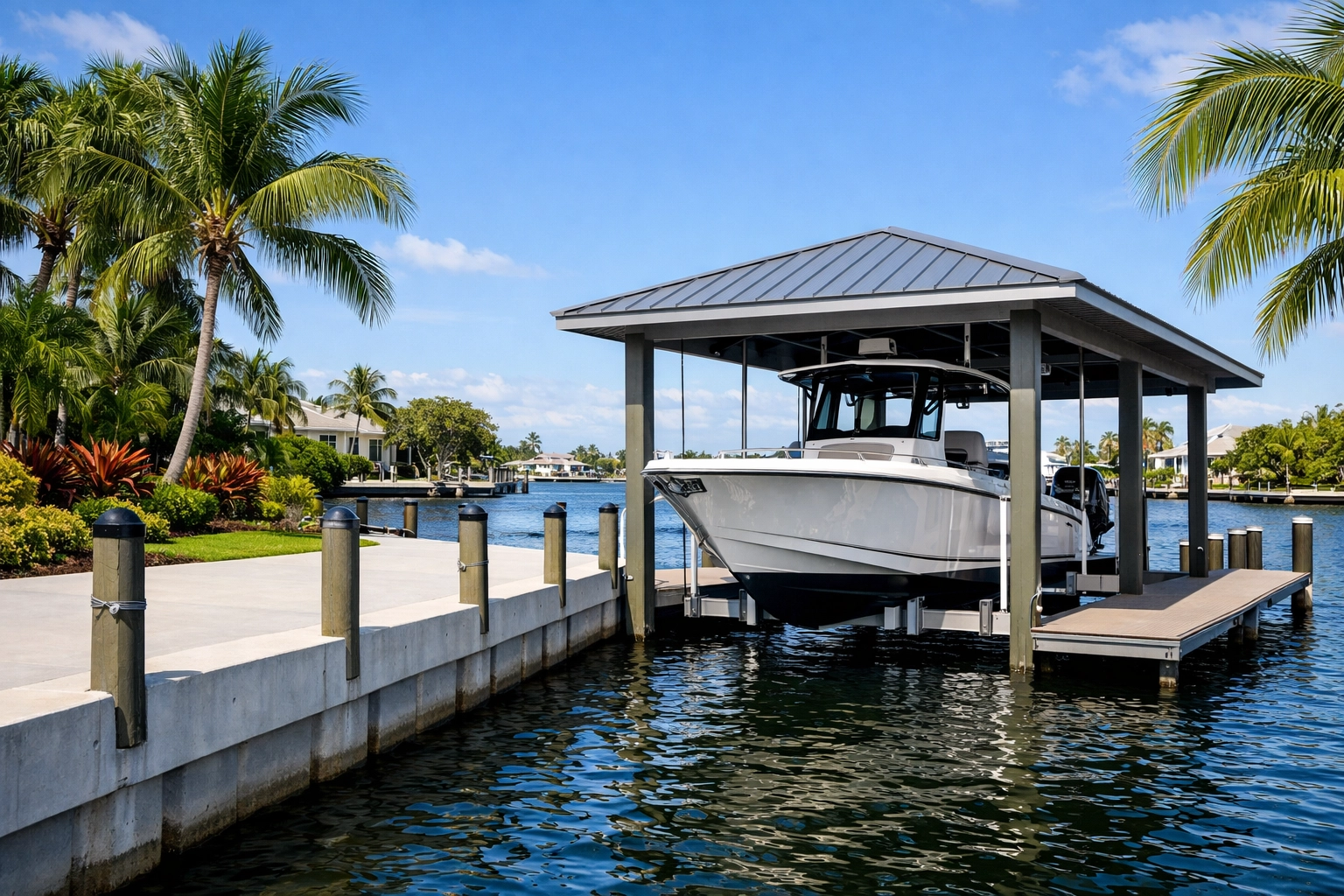
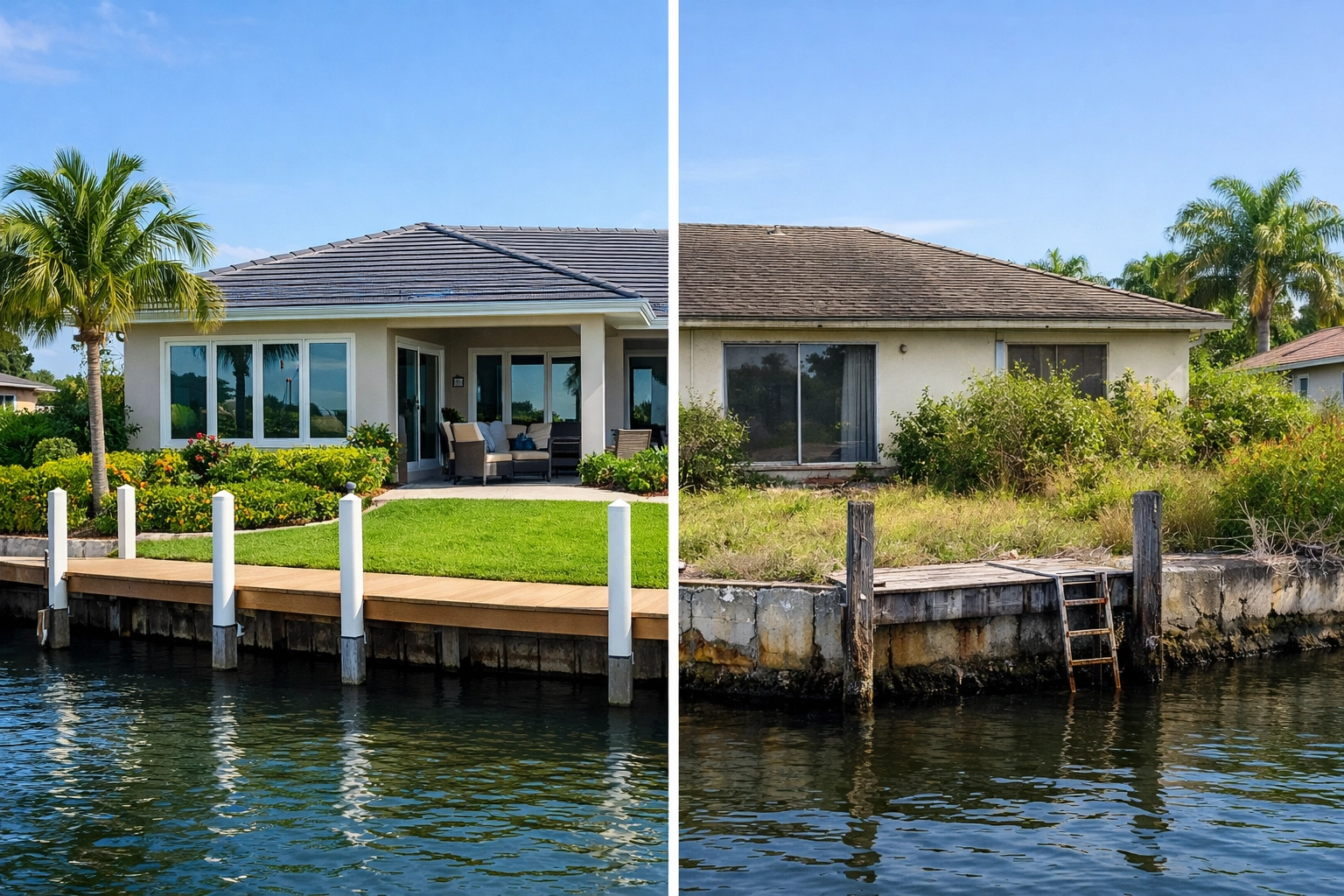
Buyers today are doing their homework. They're not just looking at the water view: they're checking the seawall condition, asking about hurricane-rated windows, and measuring the depth of the canal access.
Properties with newer seawalls, updated flood mitigation features, and proven deepwater access are consistently outperforming comparable homes that need work. In a market with this much inventory, buyers can afford to be selective, and they're choosing homes that won't hit them with surprise $50K infrastructure bills in year two.
Think of it this way: a well-maintained home signals lower future costs. And in an environment where insurance is already squeezing budgets, that matters a lot.
Direct Gulf Access Without the Headaches
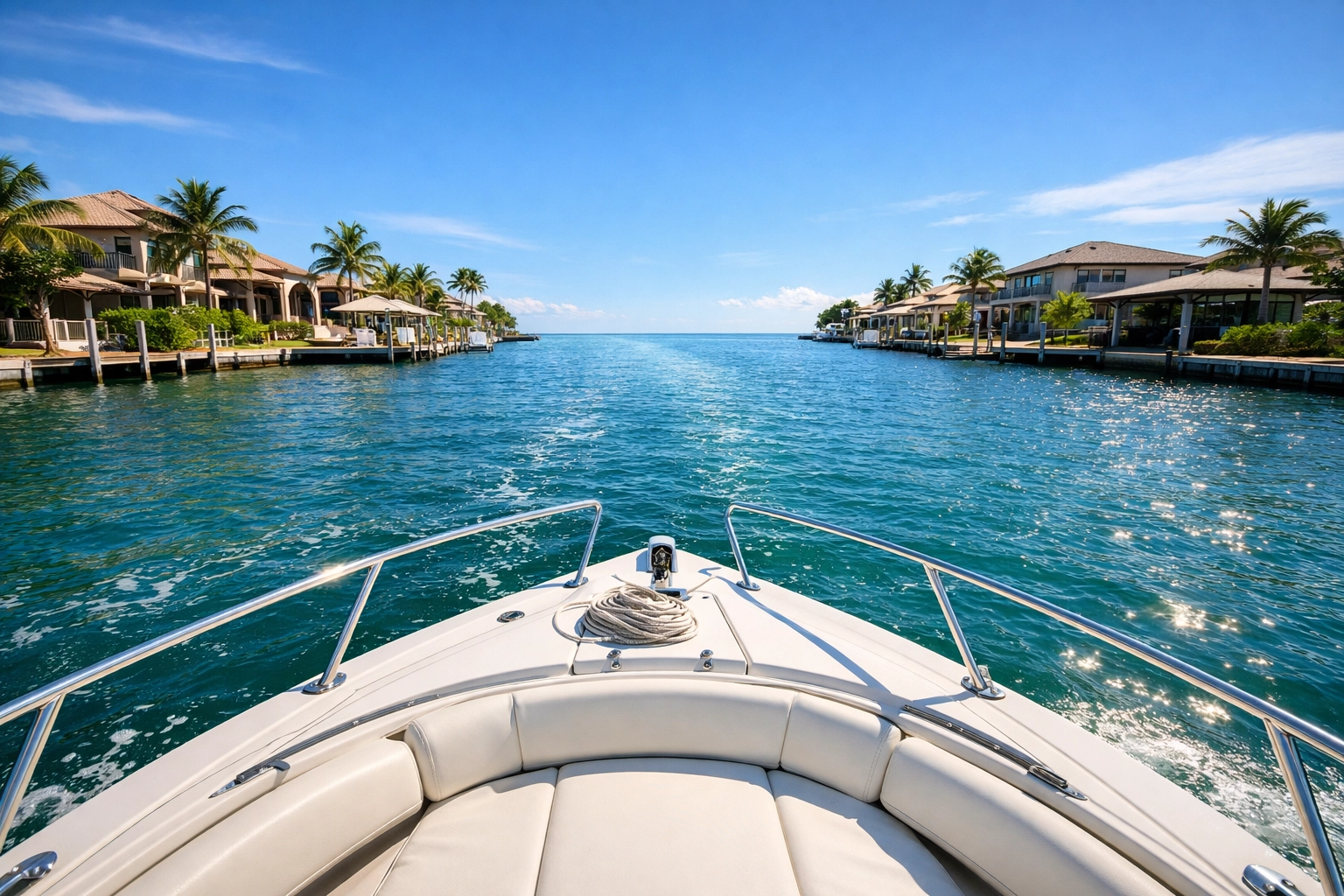
Not all Gulf access is created equal. Properties offering direct access with no bridge restrictions are commanding serious premiums over homes that require a long canal ride or come with HOA rules that limit boat sizes or dock installations.
If you're marketing a home with sailboat-friendly access and no fixed bridges between you and the Gulf, that's your headline feature. If your listing requires navigating multiple bridges or has height restrictions, you need to price accordingly: because buyers are absolutely factoring that into their offers.
Strategic Price Adjustments Get Results
Here's something we're seeing across the board: homes that come to market with 5-10% pricing flexibility built in are finding buyers. Even in previously ultra-competitive communities like Cape Harbour and Southwest Cape Coral, modest price cuts are unlocking buyer interest.
The key word there is "strategic." Random price drops don't help: but sellers who work with their agents to identify the right price point based on current comps and buyer feedback are getting deals done.
The Community-by-Community Breakdown
Let's get specific for a minute, because the data tells different stories in different neighborhoods:
Cape Royal is the current winner in the absorption race. At 8.6 months of supply and 42 days on market, this community shows what happens when pricing aligns with buyer expectations.
Cape Harbour, despite being highly desirable, is sitting at 14.3 months of supply with a 90-day median DOM. The luxury positioning here is meeting resistance from insurance-conscious buyers.
Tarpon Point continues to see pricing resets with that 60% re-list rate and 13.3 months of supply. High-end waterfront is feeling the shift more dramatically than other segments.
Caloosahatchee River properties are stuck in a particular bind: premium locations with premium prices, but the flood zone reality is causing longer negotiation periods and more deals falling through during due diligence.
What This Means If You're Shopping for SWFL Waterfront
You're in a strong position right now. Take your time, get multiple insurance quotes before you make an offer, and don't be afraid to negotiate. Sellers are more flexible than they've been in years.
Focus on:
- Properties priced within 5-10% of recent closed sales
- Homes with documented infrastructure upgrades
- Clear, direct Gulf access if boating matters to you
- Communities with lower inventory levels (under 10 months supply)
What This Means If You're Selling
Price it right the first time. I know that's not what anyone wants to hear, but the data doesn't lie: overpriced listings are sitting, getting stale, and eventually selling for less than they could have if priced correctly from day one.
Work with your agent to:
- Pull comps from the last 90 days, not last year
- Highlight infrastructure improvements prominently
- Be ready to provide insurance information to serious buyers
- Build in negotiation room from the start
The Bottom Line
The SWFL waterfront market isn't broken: it's just reset. The properties that sell quickly in 2026 are the ones where sellers understand the current landscape and price accordingly, where infrastructure is solid, and where the path to the Gulf is clear (literally and figuratively).
If you're thinking about making a move in the waterfront market: whether buying or selling: the most expensive mistake you can make is treating 2026 like 2022. The market has changed, buyer expectations have evolved, and success comes from adapting to the new reality rather than wishing for the old one.
Want to talk specifics about waterfront properties in your target area? The inventory levels, pricing trends, and what's actually closing can vary dramatically even within the same zip code. That's where local expertise makes all the difference.