

If you're moving to Southwest Florida, you've probably spent hours Googling "Cape Coral vs. Fort Myers" and walked away more confused than when you started. One article says Cape Coral is cheaper. Another says Fort Myers has better resale value. Your cousin's friend swears by waterfront living in Cape Coral, but your co-worker says Fort Myers has the "real city vibe."
Here's the truth: both cities are incredible places to live, but they serve different lifestyles and investment goals. The problem? Most people make their decision based on incomplete information or outdated assumptions. Let's break down the seven biggest mistakes buyers make: and how working with experienced cape coral real estate agents can save you from making an expensive choice you'll regret.
Mistake #1: Comparing Median Home Prices Without Context
You see that Cape Coral's median home price hovers around $420,000 while Fort Myers sits at $375,000, and you immediately assume Fort Myers is the more affordable option. Not so fast.
Cape Coral is almost entirely zoned for single-family homes: it's a sprawling suburban paradise with yards, pools, and space. Fort Myers, on the other hand, has a much more diverse housing stock including condos, townhouses, and older single-family homes closer to the urban core.
When you break it down by property type, the story changes. Cape Coral's median condo price is actually around $233,700 compared to Fort Myers' $250,000. If you're comparing apples to apples: single-family homes in similar condition and age: the gap narrows significantly.
How Realtors Fix This: Experienced realtors cape coral work with won't just send you median price data. They'll show you comparable properties that match your actual needs. Looking for a 3/2 with a pool built after 2010? They'll pull real comps from both cities so you're comparing actual options, not statistical averages.
Mistake #2: Not Matching Your Investment Strategy to the Market
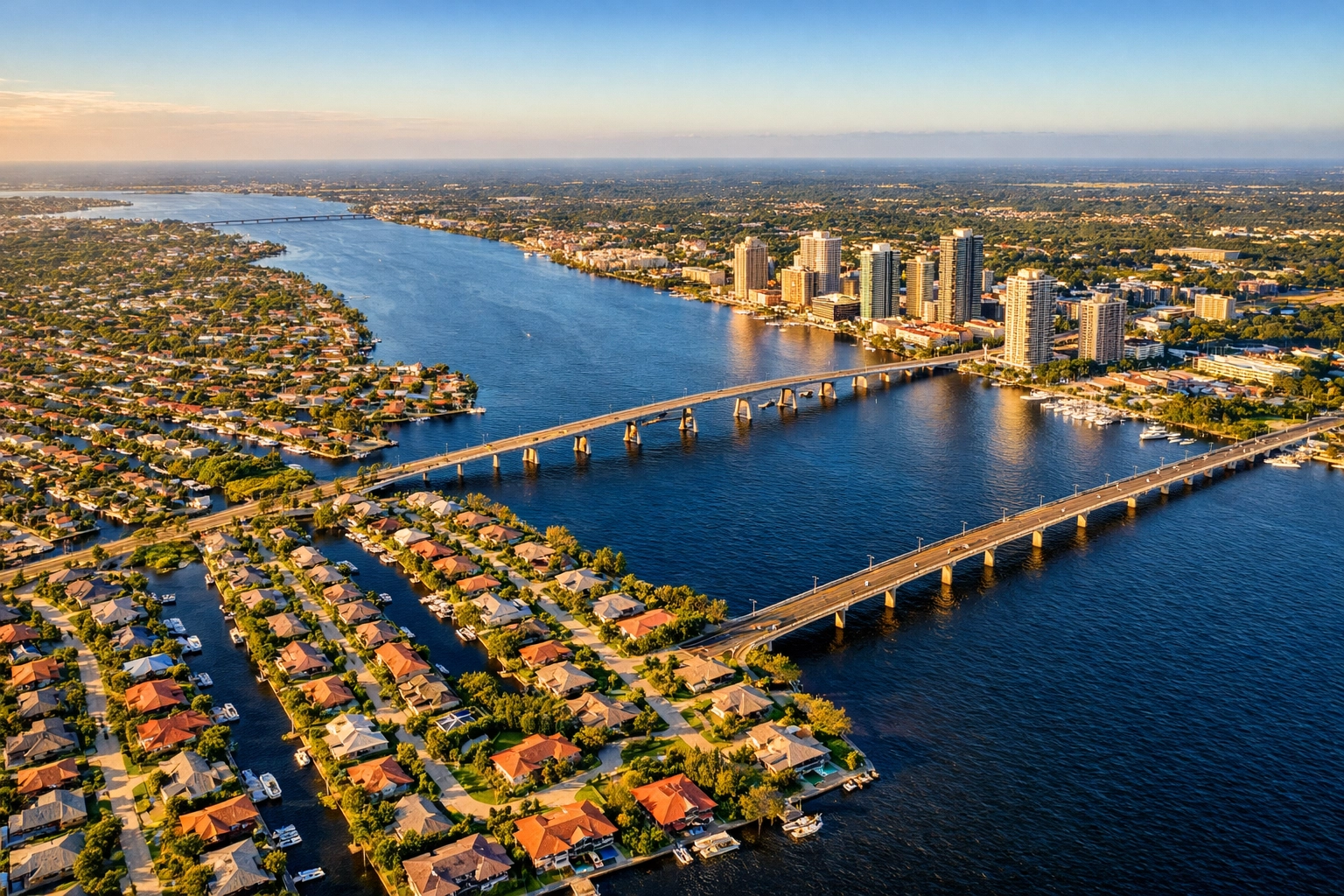
Here's where a lot of out-of-state investors stumble. They treat Cape Coral and Fort Myers like interchangeable investment opportunities, when in reality, each city rewards different strategies.
Cape Coral typically delivers rental yields between 7-8% but more moderate appreciation. Fort Myers offers slightly lower rental yields (5-6%) but historically stronger long-term appreciation. If you're looking for immediate cash flow to supplement retirement income, Cape Coral's rental market might be your winner. If you're playing the long game and banking on equity growth, Fort Myers could be the smarter bet.
How Realtors Fix This: Local real estate agents who specialize in SWFL waterfront homes and investment properties will ask you the right questions up front: What's your timeline? Are you looking for cash flow or appreciation? Do you plan to manage the property yourself or hire a company? They'll align your answers with actual market performance data, not just generic advice.
Mistake #3: Overlooking the Hidden Cost Drivers
You find a gorgeous waterfront home in Cape Coral for $500K and a similar-looking property in Fort Myers for $525K. The Cape Coral home seems like the obvious winner, right? But did you factor in flood insurance, HOA fees, and property taxes?
Fort Myers flood insurance typically ranges from $3,000-$6,500 depending on your zone, while Cape Coral can run $3,500-$7,000 or higher if you're in a high-risk flood zone near the water. Add in HOA fees Cape Coral communities charge (which can vary wildly from $50/month to $500/month in gated communities in cape coral florida), and suddenly that $25K price difference evaporates.
How Realtors Fix This: A good agent will prepare a total cost of ownership breakdown for you. They'll pull actual insurance quotes, show you the tax bills from similar properties, and factor in HOA fees before you even make an offer. No surprises at closing.

Mistake #4: Misunderstanding Waterfront Property Premiums
"I want waterfront living!" is probably the most common request agents hear from buyers moving to SWFL. The problem? Not all waterfront is created equal.
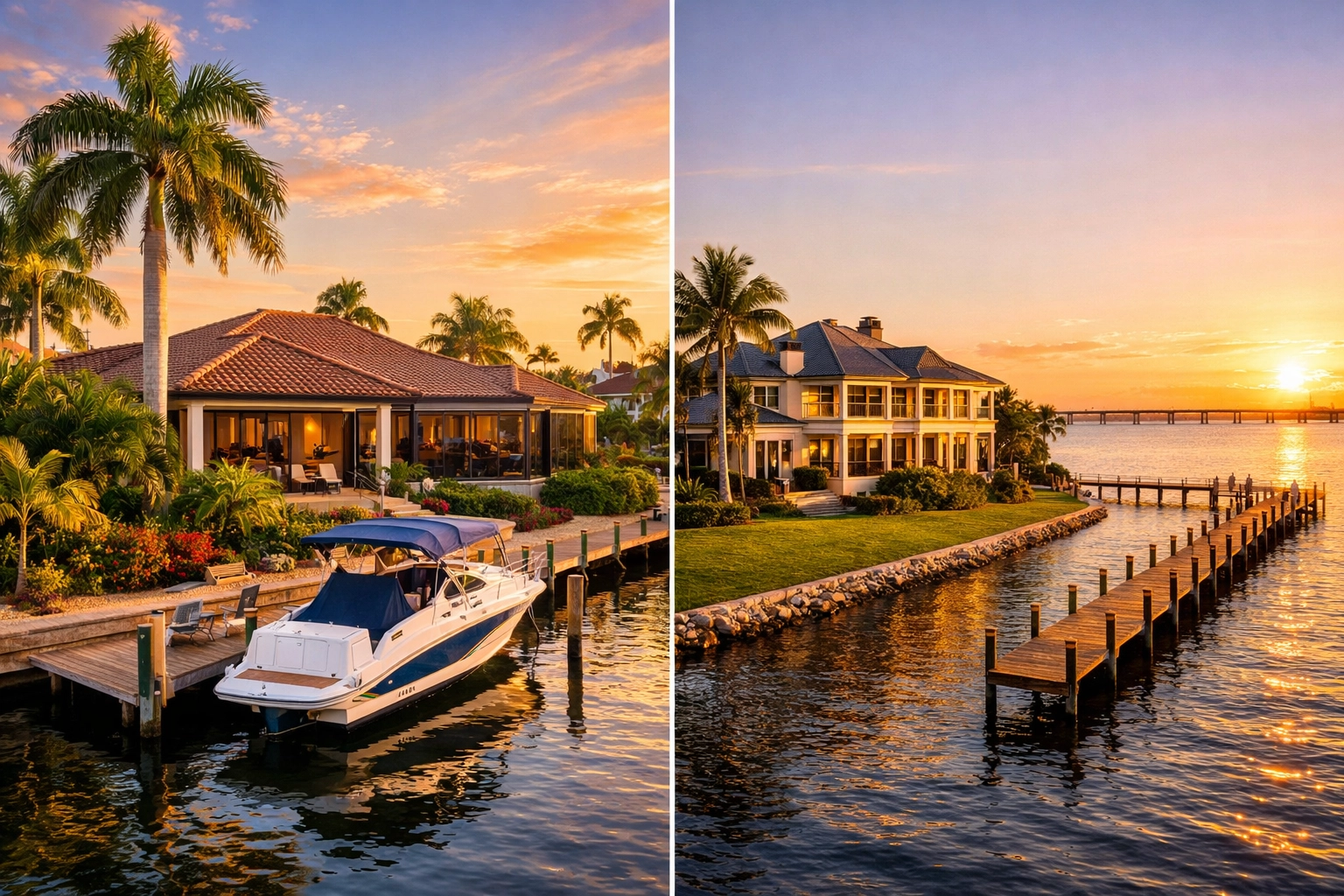
Cape Coral has over 400 miles of canals, which sounds amazing until you realize that most of those canals are freshwater with no boat access to the Gulf. Gulf-access properties with private docks command massive premiums: sometimes $200K-$300K more than comparable homes on freshwater canals.
Fort Myers, by contrast, has fewer canal options overall, but what exists tends to be saltwater or river access. The trade-off? You'll pay dearly for those limited waterfront opportunities.
How Realtors Fix This: Instead of just filtering for "waterfront" on Zillow, experienced cape coral real estate agents will walk you through the difference between sailboat access, Gulf access, and freshwater canals. They'll explain bridge clearances, canal depths, and travel times to the Gulf. They'll also show you non-waterfront homes with boat slip access or deeded dock privileges: options you'd never find on your own.
Mistake #5: Not Understanding Cape Coral's Quadrant System
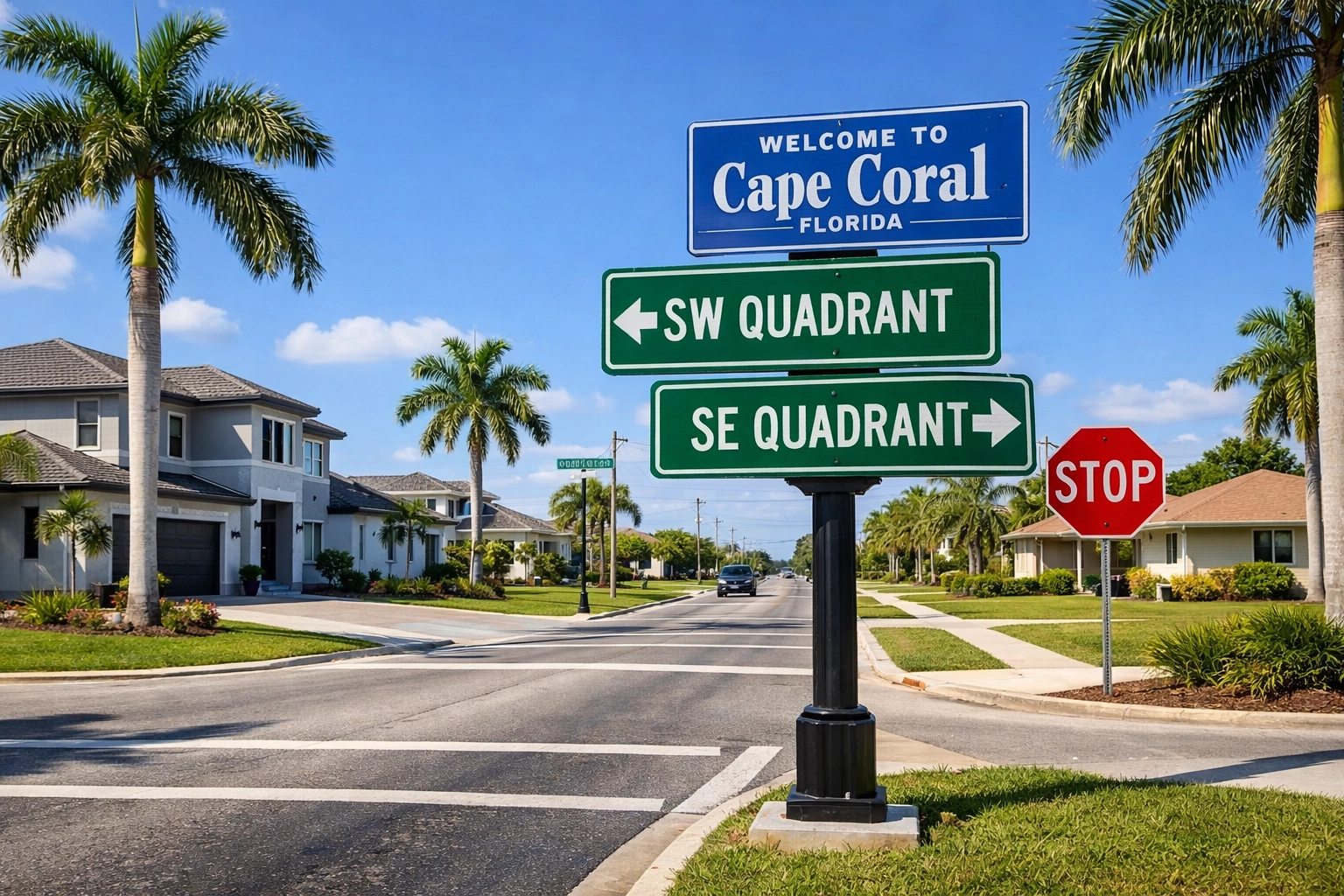
If you're house hunting in Cape Coral and you don't understand the cape coral quadrants, you're shopping blind. The city is divided into four main quadrants (Northwest, Northeast, Southwest, Southeast), and each has a completely different character, price point, and vibe.
The Southwest quadrant is generally the most established with older homes and mature landscaping. The Northwest quadrant is where you'll find newer construction and ongoing development. The Southeast has some of the most desirable Gulf-access properties, while the Northeast is a mix of affordable starter homes and new builds.
How Realtors Fix This: A knowledgeable Cape Coral agent won't just say "here are five homes in your price range." They'll explain which quadrants match your lifestyle. Do you want walkable restaurants and shops? You'll want Southwest Cape or Fort Myers proper. Prefer newer construction and quiet suburban streets? Northwest Cape Coral is calling your name.
Mistake #6: Ignoring Commute Times and Lifestyle Differences
On a map, Cape Coral and Fort Myers look close: they're connected by bridges, after all. But during season (November through April), those bridges become parking lots. A 10-minute drive off-season can turn into a 45-minute crawl in February.
Fort Myers offers more walkability, especially downtown and in neighborhoods like Fort Myers Beach (currently rebuilding after Hurricane Ian). You've got immediate access to restaurants, arts districts, and nightlife. Cape Coral is more spread out and car-dependent, but you get bigger lots, newer homes, and that classic Florida suburban lifestyle.
How Realtors Fix This: Local agents will ask where you work, how often you travel, and what your daily routine looks like. They'll factor in your commute, your tolerance for traffic, and whether you prioritize nightlife or peace and quiet. They'll even recommend specific neighborhoods in each city that match your actual lifestyle: not just your budget.
Mistake #7: Making a Decision Based on Online Research Alone
Look, we get it. You've read every blog post, watched every YouTube video, and memorized the pros and cons lists. But here's the thing: the SWFL market is hyperlocal and constantly evolving. Insurance rates change after major storms. New construction changes neighborhood dynamics. HOA rules get updated. Flood zones get remapped.
What you read online six months ago might be completely outdated today. And generic advice from national real estate websites? It's useless when you're trying to decide between a home in the Tarpon Point Marina area versus a new build in the Northwest Cape.
How Realtors Fix This: This is where local expertise becomes invaluable. Realtors who live and work in Cape Coral and Fort Myers know which neighborhoods are trending up, which HOAs are well-managed, which builders have the best reputations, and which streets flood during summer storms. They've walked through hundreds of homes and can spot red flags you'd never notice on a video tour.
They'll also connect you with their network of inspectors, lenders, insurance agents, and contractors who specialize in this market. That kind of boots-on-the-ground knowledge isn't something you can Google.
The Bottom Line
Choosing between Cape Coral and Fort Myers isn't about picking the "better" city: it's about finding the right fit for your lifestyle, budget, and long-term goals. Both cities offer incredible opportunities for homeowners and investors, but they reward different priorities.
The biggest mistake you can make? Treating this decision like a simple pros and cons list you found on some generic real estate blog. The smartest move? Partner with local realtors who know these markets inside and out, who'll ask you the tough questions, and who'll show you options you didn't even know existed.
Ready to stop guessing and start making an informed decision? Let's talk. Because whether you end up in Cape Coral or Fort Myers, you deserve to love where you land.