

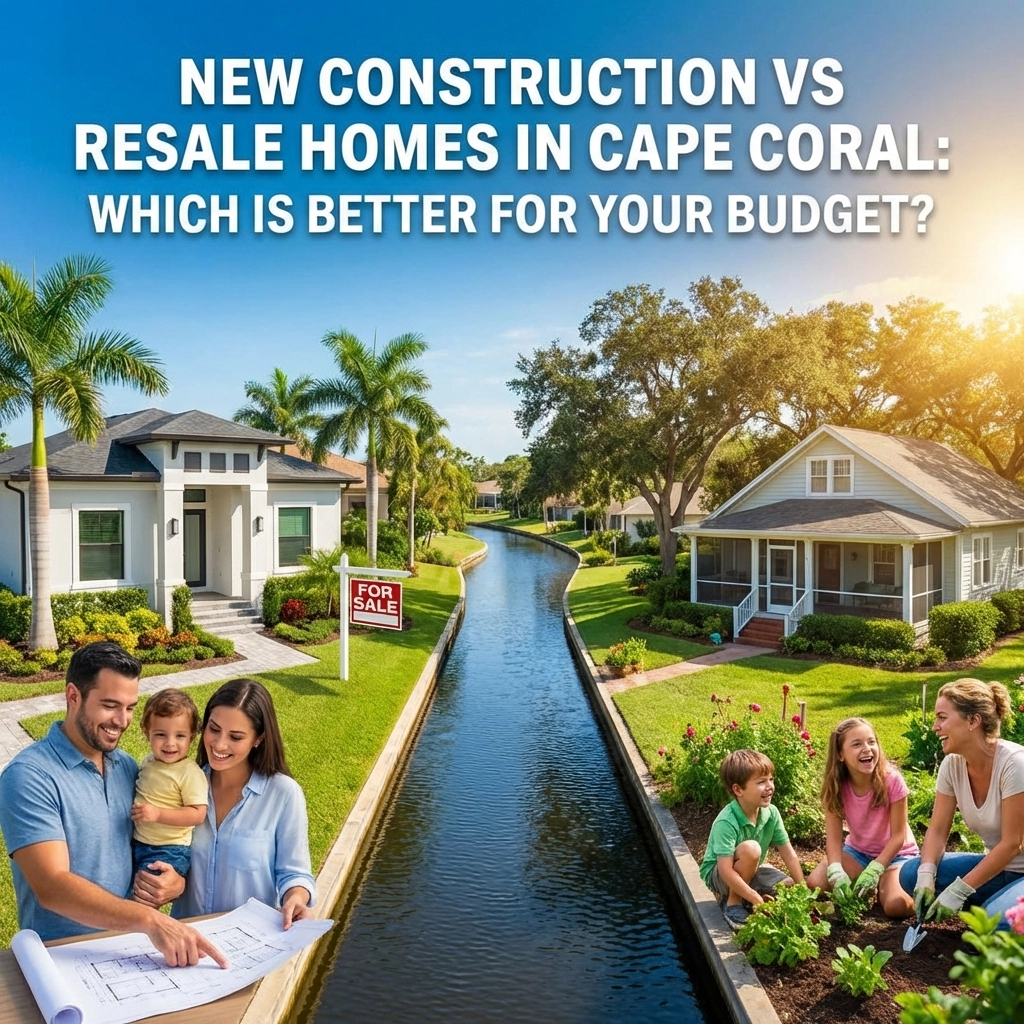
So you're ready to buy a home in Cape Coral. Congratulations! But now comes the big question that keeps popping up in every conversation, every late-night Zillow scroll, and every coffee chat with friends who recently bought: should you go with new construction or a resale home?
It's not as straightforward as you might think. The "right" answer depends on way more than just the sticker price. Your timeline, your tolerance for surprises, and how long you plan to stay all play a role. Let's break it down so you can make the smartest decision for your wallet, both now and down the road.
The Sticker Price: What You'll Pay Upfront
Let's start with the obvious: the purchase price.
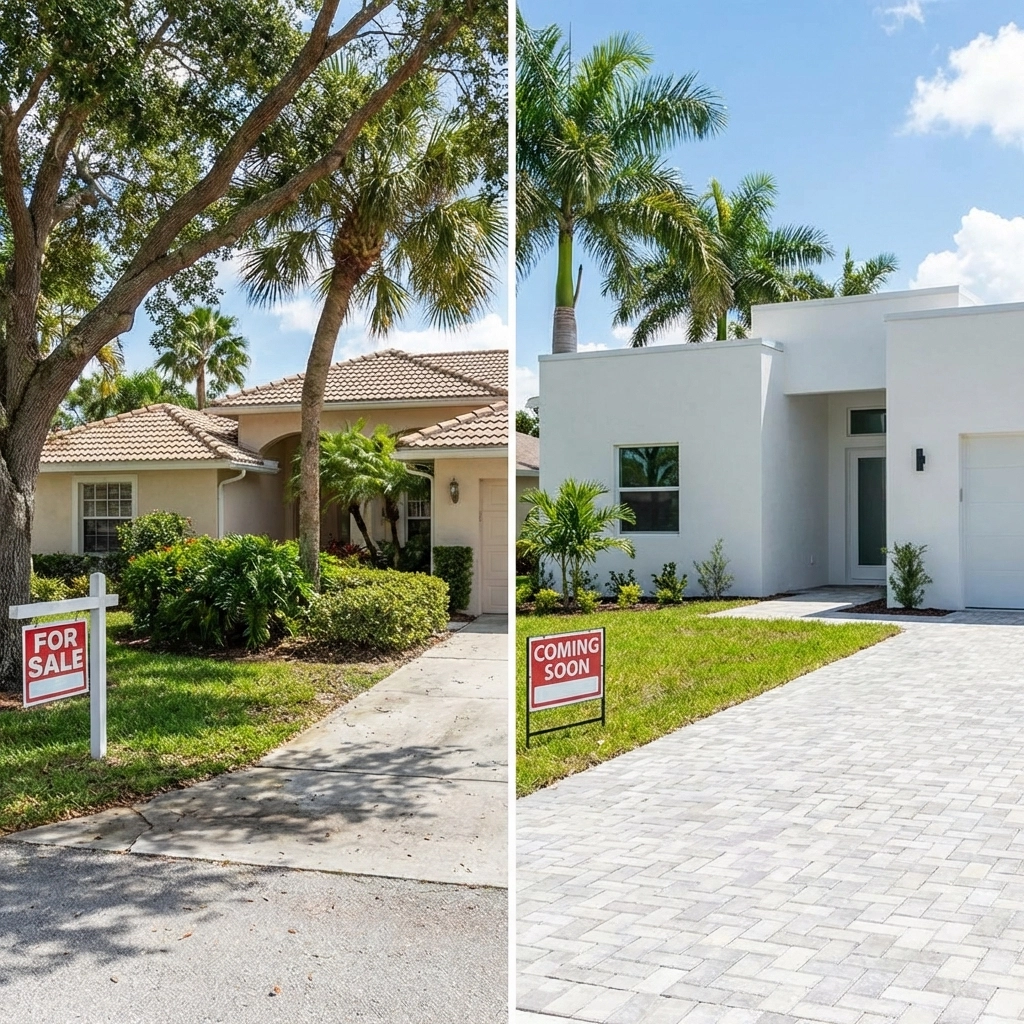
In the Cape Coral market right now, resale homes generally come in about 5–15% cheaper per square foot compared to new construction. That's a significant chunk of change, especially if you're working with a tight budget or trying to keep your monthly mortgage payment manageable.
Here's the thing though, construction costs have gone up so much over the past few years that the gap between new and resale has actually narrowed quite a bit. Builders are having a harder time competing on price alone. So if you're comparing a brand-new home to a well-maintained resale in the same neighborhood, the difference might not be as dramatic as you'd expect.
For buyers who need to minimize their cash outlay right now, resale homes are often the winner in this round.
The Hidden Costs of New Construction
That shiny new home with the fresh paint smell? It comes with a few costs that aren't always obvious when you're touring the model home.
Upgrades add up fast. That gorgeous kitchen in the model home with the quartz countertops and upgraded cabinets? Yeah, those are usually upgrades. The base price gets you builder-grade everything, and if you want the home to look like the one you fell in love with during your tour, you'll need to budget for extras. We're talking thousands: sometimes tens of thousands: in additions.
Don't forget the extras. New construction often means you're responsible for:
- Landscaping (beyond basic sod)
- Window treatments
- Utility setup fees
- Impact fees
- Fencing
Property taxes will jump. Here's one that catches a lot of buyers off guard. During construction, your property taxes are based on the land value. Once that certificate of occupancy is issued and the home is reassessed, your tax bill can increase significantly. Make sure you factor that into your monthly budget.
Timeline uncertainty. Building a home takes time, and delays happen. If you're locked into a lease or need to be in your new place by a certain date, new construction can be a gamble.
The Hidden Costs of Resale Homes
Resale homes have their own set of budget considerations that go beyond the listing price.
Repairs and updates. Unless you're buying a home that was recently renovated, you'll likely want to budget for some updates. Maybe it's cosmetic stuff like paint and flooring. Maybe it's bigger items like an aging HVAC system or a roof that's seen better days. A good home inspection will reveal what you're working with, but expect to set aside some cash for improvements.
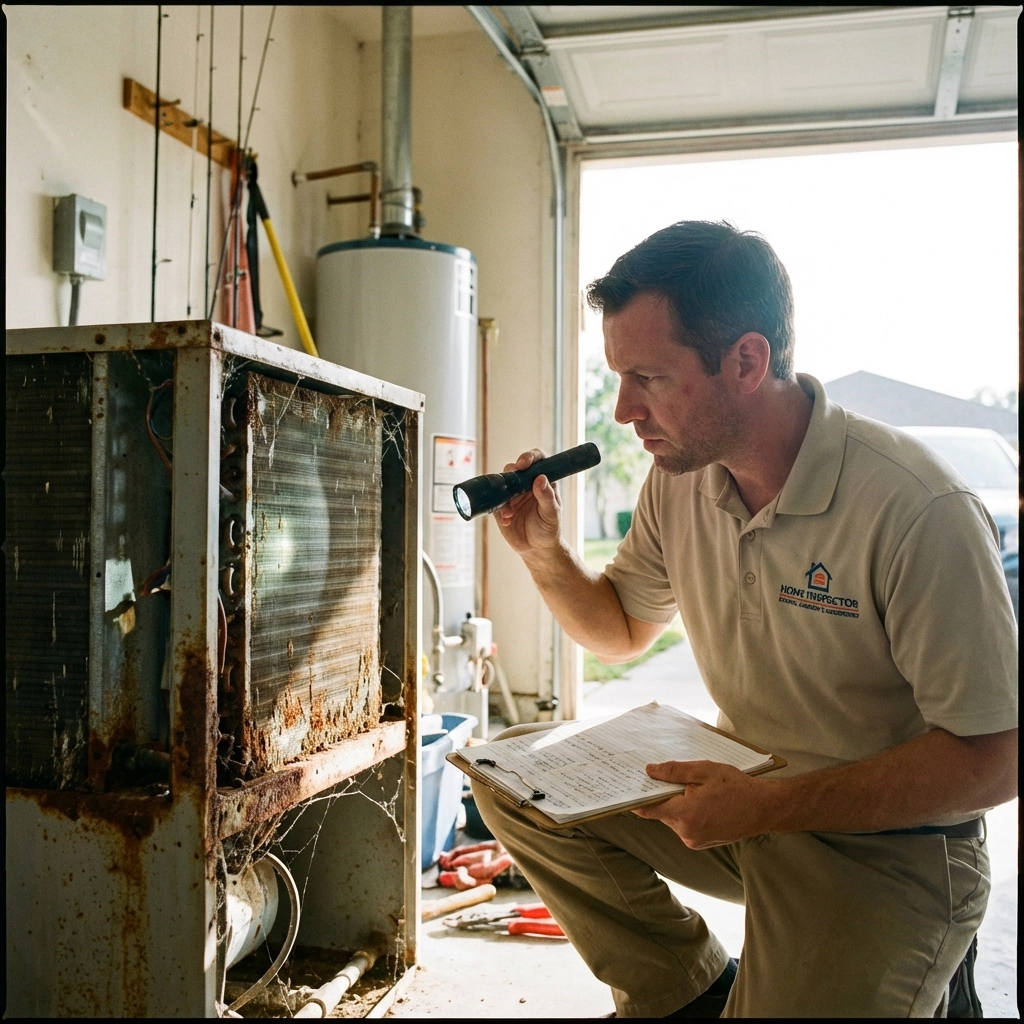
Higher utility bills. Older homes weren't built with today's energy efficiency standards. Single-pane windows, outdated insulation, and older AC units mean higher electric bills: and in Southwest Florida, that air conditioning runs pretty much year-round.
Insurance costs. This is a big one in Florida. Older homes, especially those with older roofs or outdated electrical and plumbing systems, can be more expensive to insure. Some insurance companies won't even write policies for homes with roofs over a certain age. Factor this into your monthly housing costs.
Maintenance surprises. Everything in an older home has some wear on it. Water heaters, appliances, pool equipment: they're all closer to the end of their lifespan than they would be in a new build. Budget for the unexpected.
Long-Term Budget: Where New Construction Shines
If you're planning to stay in your Cape Coral home for five, ten, or more years, new construction starts to make a stronger case for itself.
Builder warranties protect your wallet. Most new construction comes with warranties ranging from one to ten years. Structural issues, major systems, even some appliances are covered. That's peace of mind you don't get with a resale home.
Energy efficiency saves money. Modern homes are built with better insulation, impact-resistant windows, and more efficient HVAC systems. Over time, those lower utility bills add up. In the Florida heat, this isn't a small consideration.
Built to current codes. Florida's building codes have gotten stricter over the years, especially when it comes to hurricane resistance. Homes built to the latest standards are more durable and may even qualify for insurance discounts.
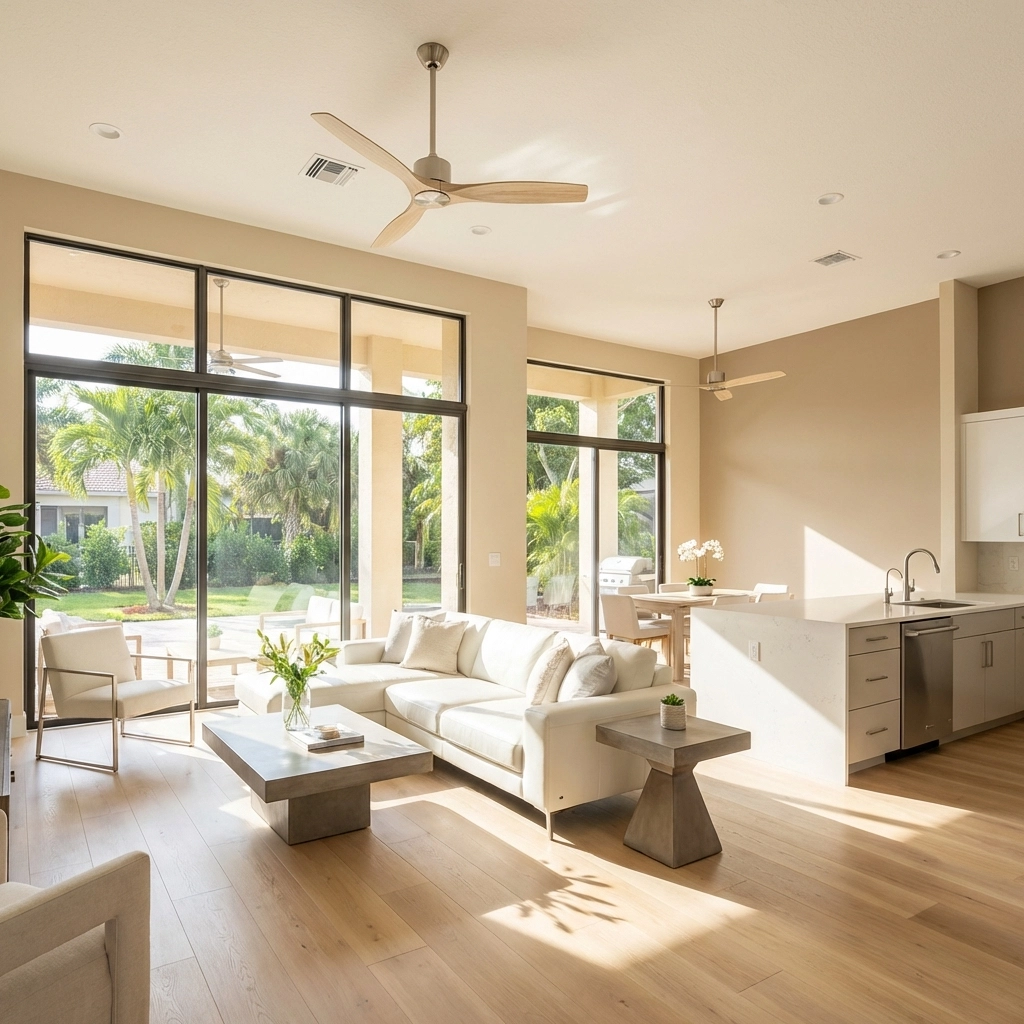
Less maintenance for years. When everything is brand new, you're not worrying about replacing the roof, the AC, or the water heater anytime soon. That predictability can be worth a lot, especially if surprise expenses stress you out.
So Which One Is Actually Better for Your Budget?
Here's the honest answer: it depends on your situation.
Choose a resale home if:
- You need to minimize your upfront costs
- You want to move in quickly
- You're comfortable handling some repairs or updates
- You're okay with potentially higher utility and insurance costs
- You don't plan to stay more than a few years
Choose new construction if:
- You have more flexibility in your upfront budget
- You can wait for the home to be built
- You want predictable costs and warranty protection
- You're planning to stay long-term and want to benefit from energy savings
- You prefer everything to be move-in ready with no surprises
There's also a middle ground worth considering: buying a recently built resale home. You get the benefits of modern construction and energy efficiency without the wait time or upgrade markups. Keep an eye out for homes built in the last five years or so: they can offer the best of both worlds.
The Cape Coral Market Right Now
As of early 2026, the Cape Coral market has shifted in ways that benefit buyers on both sides of this decision.
Resale inventory has stabilized, which means more options and less pressure to make snap decisions. At the same time, construction costs have plateaued somewhat, making new builds more predictable in terms of pricing.
The key is to run the numbers for your specific situation. Don't just look at the purchase price: calculate what you'll actually spend over the first five years of homeownership, including maintenance, utilities, insurance, and potential upgrades.
The Bottom Line
There's no universally "better" option between new construction and resale homes in Cape Coral. It all comes down to your timeline, your budget flexibility, and how long you plan to call this place home.
If you're focused on keeping your initial costs low and want to move in fast, a resale home is probably your best bet. If you can invest a bit more upfront and plan to stick around for a while, new construction could save you money in the long run.
Either way, the most important thing is to go in with your eyes open. Know the full picture of costs: not just the purchase price: and you'll be in a great position to make a decision that works for your budget and your life.
Ready to explore your options in Cape Coral? Whether you're leaning toward new construction or a resale home, having a local expert in your corner makes all the difference. Visit swflhomestoday.com to connect with our team and start your search today.