


Let's be real, buying a home in 2026 feels different than it did a few years ago. The market has shifted, inventory has changed, and the rules that worked during the pandemic frenzy? Yeah, those don't apply anymore.
If you're house hunting right now in Southwest Florida (or anywhere, really), you might be making some costly mistakes without even realizing it. The good news? These mistakes are totally fixable once you know what to watch out for.
Here are seven common slip-ups buyers are making in today's shifting market, and exactly how to avoid them.
Mistake #1: Assuming You Can't Afford to Buy Right Now
Here's a stat that might sting a little: middle-income buyers can currently afford only about 21% of homes on the market, compared to 50% before the pandemic. That's a big gap, and it's easy to look at those numbers and throw in the towel before you even start.
But here's the thing, the market in 2026 actually offers more inventory and more negotiating power than we've seen in years. Sellers aren't getting 20 offers over asking price anymore. There's room to breathe.
How to fix it: Before you count yourself out, get pre-approved and have a real conversation with a lender about your buying power. You might be surprised at what's actually within reach, especially with creative financing options or down payment assistance programs. Don't let headlines make the decision for you.

Mistake #2: Comparing Rent to Mortgage Payments (The Wrong Way)
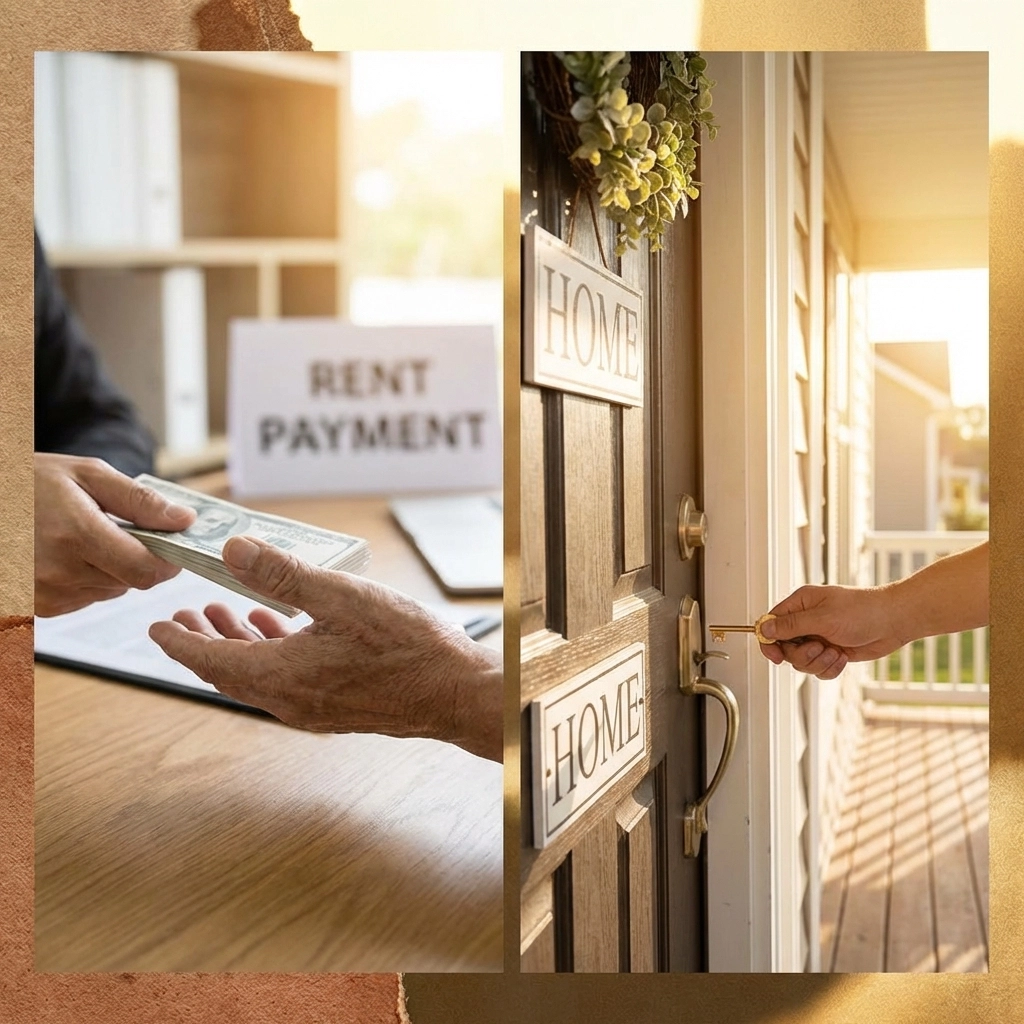
This one trips up so many first-time buyers. You look at your $2,000 rent payment, then see a mortgage payment of $2,400, and think, "Nope, can't do it."
But that comparison is missing some crucial pieces. When you rent, that money is gone forever. When you pay a mortgage, you're building equity: essentially paying yourself. Plus, rent increases over time, while a fixed-rate mortgage stays the same.
How to fix it: When comparing costs, factor in:
- The equity you'll build over time
- Tax benefits of homeownership
- Protection from rising rent costs
- The long-term investment value of real estate
Run the real numbers with a mortgage calculator or sit down with an agent who can break it all down for you.
Mistake #3: Not Understanding How Equity Actually Works
Speaking of equity: a lot of buyers don't fully grasp what a powerful wealth-building tool it can be. Every mortgage payment you make increases your ownership stake in the property. And in a market like Southwest Florida, where property values have historically appreciated, that equity can grow significantly over time.
Many buyers focus only on the monthly payment without considering what they'll walk away with when they eventually sell.
How to fix it: Think of your home purchase as a long-term investment, not just a place to live. Even if the market dips temporarily, homeowners who hold onto their properties typically come out ahead. Ask your agent to show you historical appreciation data for the neighborhoods you're considering.
Mistake #4: Ignoring the Competition You're Actually Up Against
Here's something that catches buyers off guard: you're not just competing with other people who have mortgages. In Southwest Florida especially, you're up against cash buyers and equity-rich sellers who are trading up or down.
Baby boomers who bought decades ago have massive equity and can make all-cash offers. Meanwhile, many current homeowners are locked into those sweet pandemic-era mortgage rates and aren't selling: which keeps inventory tight in certain price ranges.
How to fix it: Work with an agent who understands the local competitive landscape. In some cases, offering a faster closing or being flexible on terms can make your offer more attractive than a higher bid. It's not always about the money: sometimes it's about making the seller's life easier.
Mistake #5: Shopping in the Wrong Neighborhoods
The real estate market isn't one-size-fits-all. Some areas that were red-hot a couple years ago have cooled down due to overbuilding or market corrections. Other neighborhoods: especially suburban communities with good schools and amenities: are seeing renewed demand.
Buyers who focus only on trendy areas or ignore up-and-coming neighborhoods might be missing out on better value and stronger long-term appreciation.
How to fix it: Keep an open mind about location. Look at:
- Commute times and lifestyle factors
- School ratings (even if you don't have kids: it affects resale value)
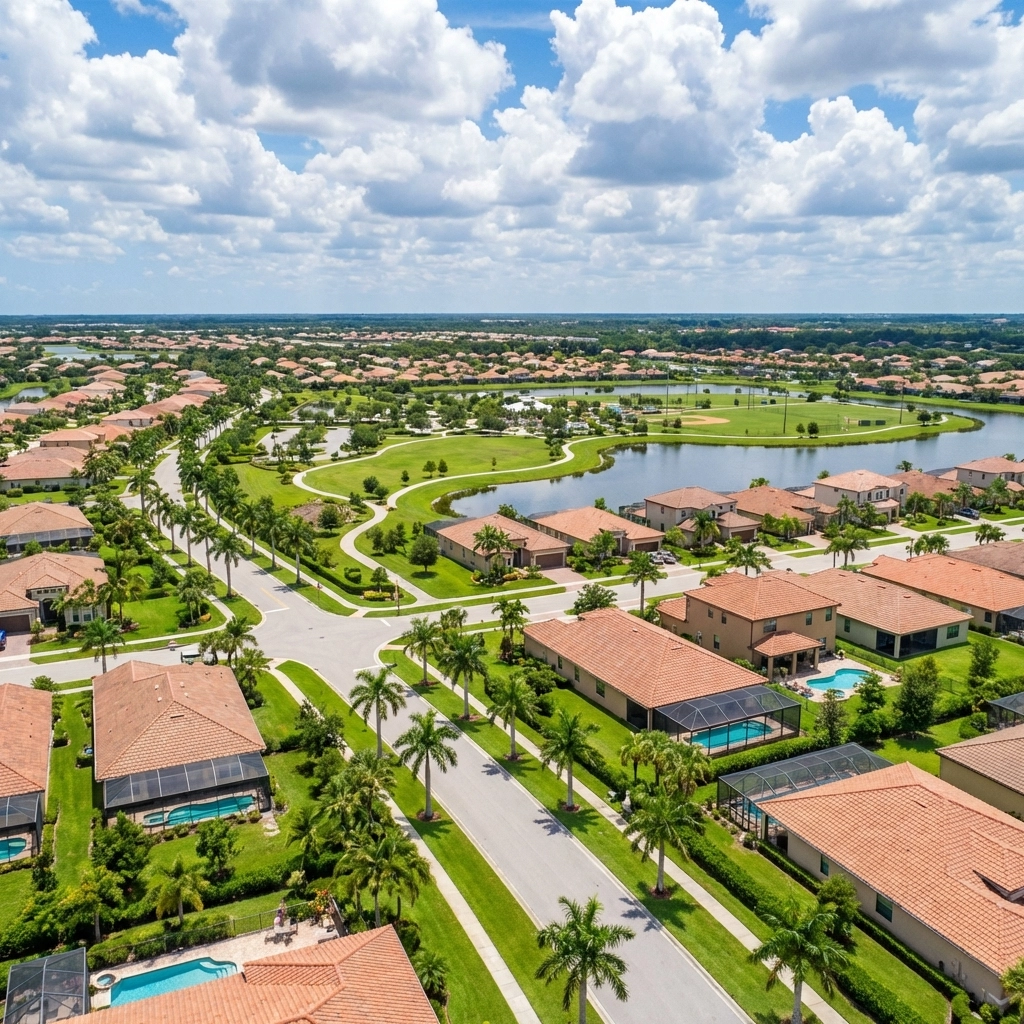
- Master-planned communities with built-in amenities
- Neighborhoods with new infrastructure or development planned
A local agent can point you toward areas where your dollar stretches further without sacrificing quality of life.
Mistake #6: Skipping the "Does This Home Make Financial Sense?" Question
It's easy to fall in love with granite countertops and a pool, but the most important question often gets overlooked: Does this specific home, at this specific price, actually make sense for your financial situation?
Homeownership isn't automatically the right move for everyone at every moment. Sometimes the smarter play is to wait, save more, or adjust your expectations. Other times, the numbers work out beautifully: but you have to actually run them.
How to fix it: Before making an offer, sit down and honestly assess:
- How long do you plan to stay? (Generally, 3-5 years minimum makes homeownership worthwhile)
- What's your emergency fund situation?
- Are you stretching your budget too thin?
- What are the total costs of ownership: not just the mortgage?
A good agent will help you think through these questions, not just push you toward a sale.
Mistake #7: Waiting for the "Perfect" Time to Buy
Here's a truth bomb: there's no perfect time to buy a home. There never has been, and there never will be. Interest rates might drop, but then prices go up. Prices might stabilize, but then inventory shrinks. You can play the waiting game forever.
What matters more than timing the market is finding the right home for your life right now and making sure the numbers work for your situation.
How to fix it: Focus on what you can control:
- Your credit score and debt-to-income ratio
- Your savings for a down payment and closing costs
- Finding a knowledgeable agent and lender you trust
- Being ready to act when the right property comes along
The buyers who win in shifting markets are the ones who are prepared, informed, and decisive: not the ones trying to predict the future.

The Bottom Line
Buying a home in 2026 isn't impossible: it just requires a different approach than what worked a few years ago. The market has more inventory, sellers are more willing to negotiate, and there are opportunities out there if you know where to look.
Avoid these seven mistakes, and you'll be miles ahead of most buyers:
- Don't assume you can't afford it: get the real numbers first
- Compare rent vs. owning the right way (hint: equity matters)
- Understand how equity builds wealth over time
- Know who you're competing against and strategize accordingly
- Stay open-minded about neighborhoods and locations
- Always ask if a specific home makes financial sense for YOU
- Stop waiting for perfect: focus on being prepared
Ready to start your home search in Southwest Florida? The RE/MAX Realty Team is here to help you navigate this market with confidence. Visit us at swflhomestoday.com to connect with a local expert who can guide you through every step of the process.