

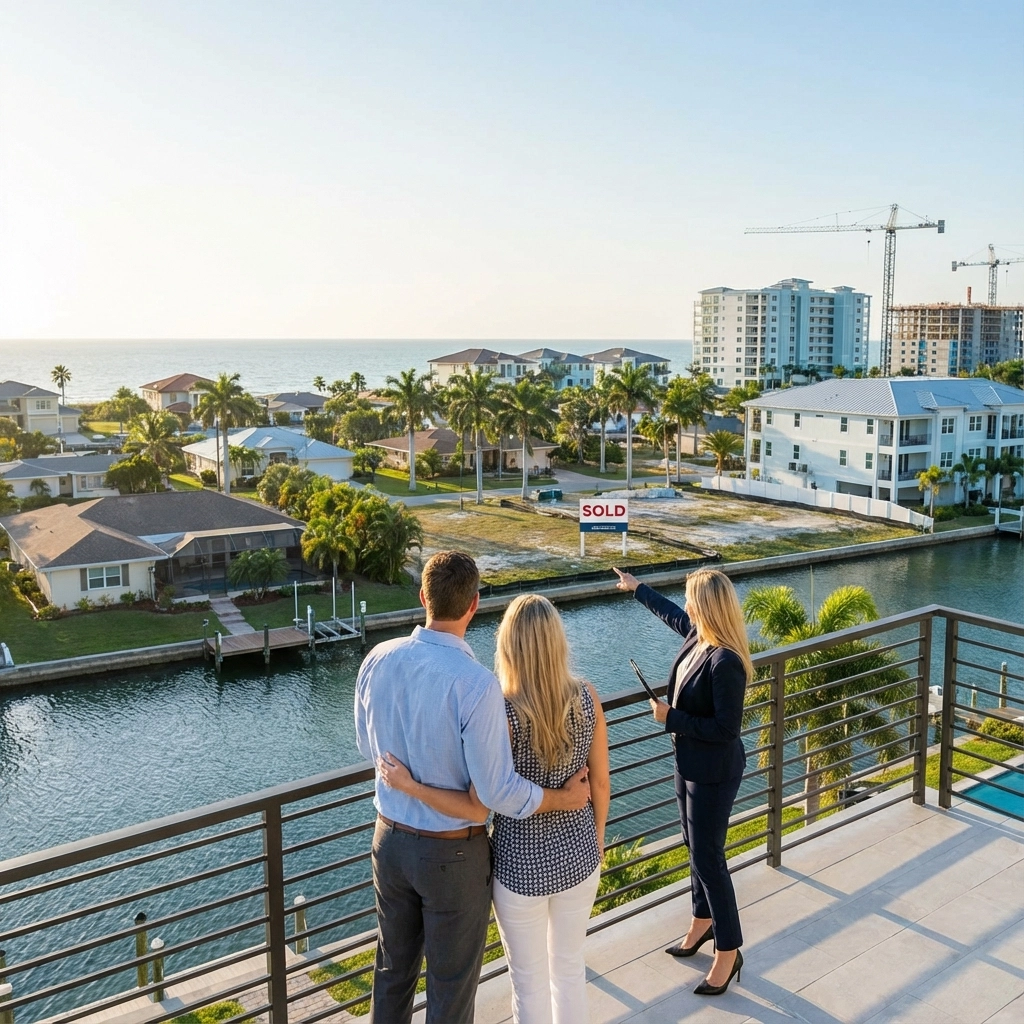
If you've been thinking about jumping into Lee County's investment property market, you're probably wondering what the heck is going on right now. Between Hurricane Ian, shifting buyer patterns, and all the headlines about Florida real estate, it's tough to know where things actually stand.
Here's the real deal: the market has changed, but that doesn't mean the opportunities have disappeared. In fact, some of the smartest investors I know are quietly making moves right now while everyone else is sitting on the sidelines. Let's break down the 10 most important things you need to know about Lee County's investment landscape in 2025.
1. Home Values Have Actually Corrected (And That's Good News for Buyers)
Here's something that might surprise you: the average home value in Cape Coral is now $487,000, which is up 4.5% from last year. The double appreciation we saw during the pre/post pandemic are long gone and have stabilized.
Think about it – you can now buy properties that were completely out of reach just two years ago. That million-dollar Cape Coral home? It might be $850K now. The correction has reset pricing back to more realistic levels, and that's created real opportunities for investors who know how to spot them.

2. You're Not Competing with Wall Street (Yet)
One thing that's working in your favor? Institutional investors still own less than 2% of Lee County's single-family homes. We're talking about roughly 176,807 homes total, so the big guys haven't swooped in and gobbled everything up like they did in some other markets.
That said, this percentage is growing, which tells me the smart money sees potential here. But for now, you're mainly competing with other individual investors and regular homebuyers, not massive hedge funds with unlimited cash.
3. Population Growth Is Still Your Best Friend
Here's the foundation that makes Lee County attractive: people keep moving here. We went from about 620,000 residents in 2010 to over 820,000 by 2022. That's 30% growth in just over a decade, and it hasn't really slowed down.
More people means more renters, more buyers, and more demand for housing long-term. Even with all the market ups and downs, this fundamental driver hasn't changed. Snowbirds still want to escape to Southwest Florida, retirees are still drawn to the lifestyle, and remote workers discovered they can live here year-round.
4. Insurance Costs Will Shock You (So Plan for Them)
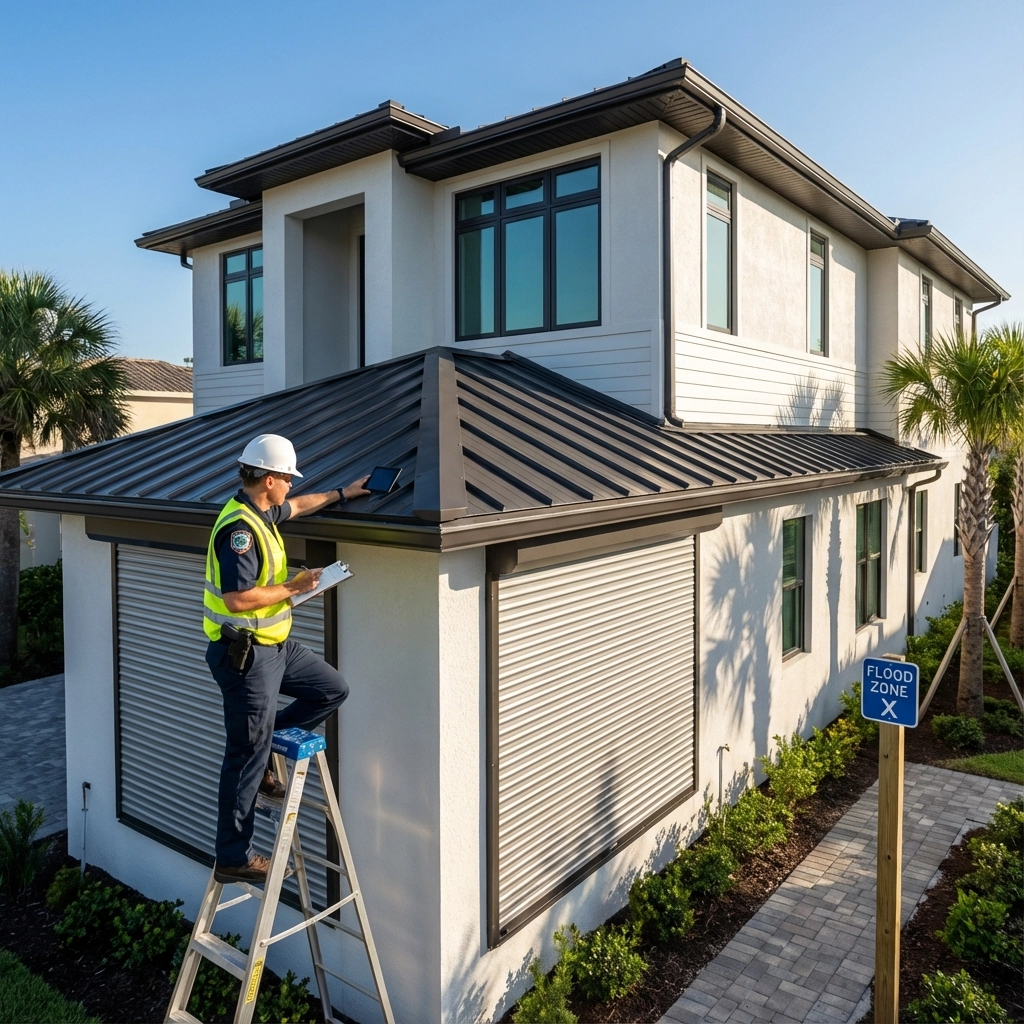
Okay, real talk time. Insurance costs have gone absolutely nuts since Hurricane Ian. We're talking about premiums that used to run $2,500-$3,000 annually now hitting $5,000-$8,000 or more. Some properties are even higher depending on location and flood risk.
This isn't just a temporary spike – this is the new reality. If you're running cash flow numbers based on old insurance costs, your projections are going to be way off. Always, always, always get current insurance quotes before you make an offer. I've seen too many deals fall apart because investors didn't factor in the real insurance costs.
5. Inventory Has Found Its Sweet Spot
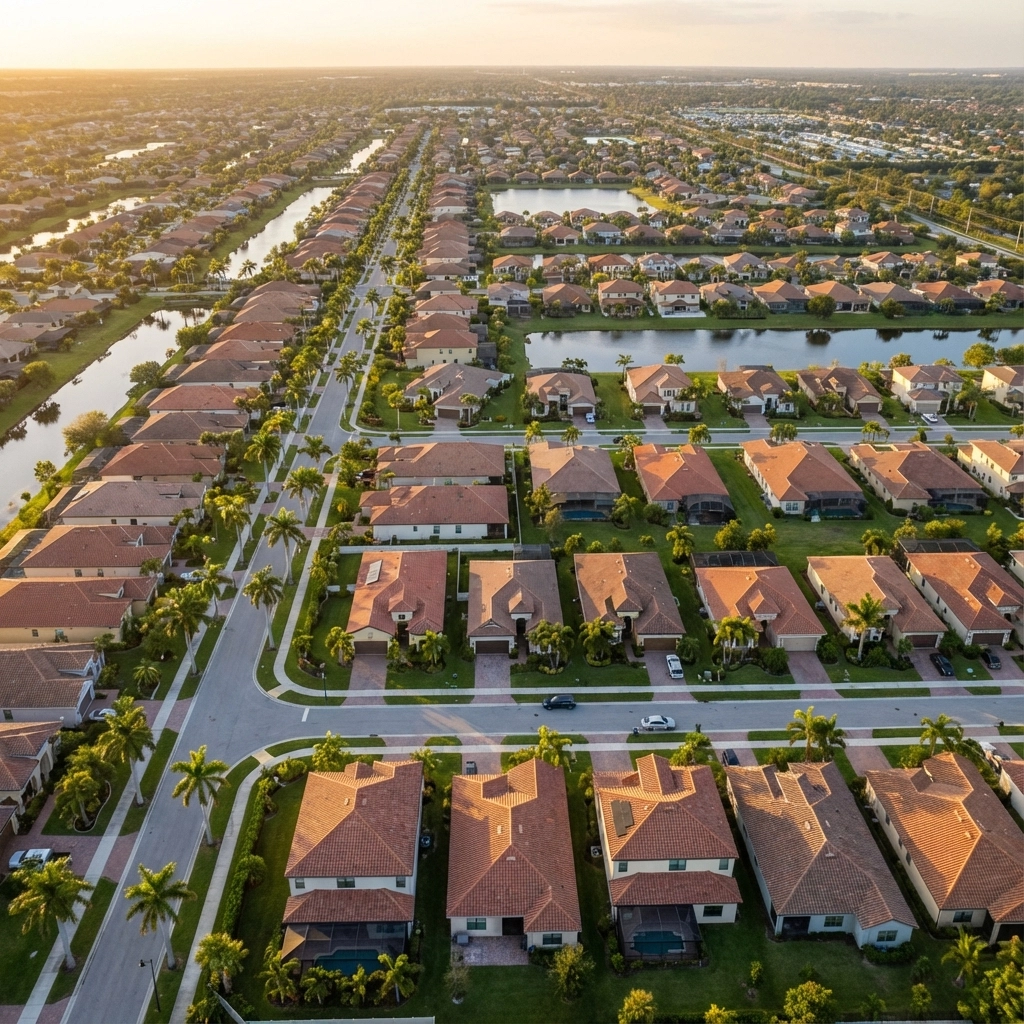
Remember when there were like three houses for sale in all of Lee County? Those days are over. Earlier in 2025, inventory climbed as more sellers came to market, but by November, things tightened up again with new listings down 21.5% compared to the year before.
This normalization is actually healthy. There's enough inventory that you have choices, but not so much that prices are in free fall. For investors, this creates a more balanced environment where you can be selective without worrying that everything will be gone tomorrow.
6. Affordability Is Actually Improving (In Some Areas)
Here's something that might surprise you: Lee County's Housing Affordability Index is sitting at 1.04, which means it's above 1.0 and more accessible than neighboring Collier County. The recent price corrections have opened up opportunities in neighborhoods that were completely priced out during the peak.
Now, "affordable" is relative – we're still talking about Southwest Florida – but compared to where we were in 2022, there are definitely more options for investors working with reasonable budgets.
7. Buyers Are Coming Back to the Table
After months of everyone sitting on their hands, buyer activity picked up significantly in late 2025. Pending sales jumped about 20% year-over-year in November, and closed sales improved roughly 6% compared to November 2024.
What this tells me is that the "wait and see" mentality is shifting. Buyers are realizing that interest rates aren't going back to 2% anytime soon, and the price corrections have created opportunities worth acting on.
8. Fort Myers Got Hit the Hardest (Which Creates Opportunities)
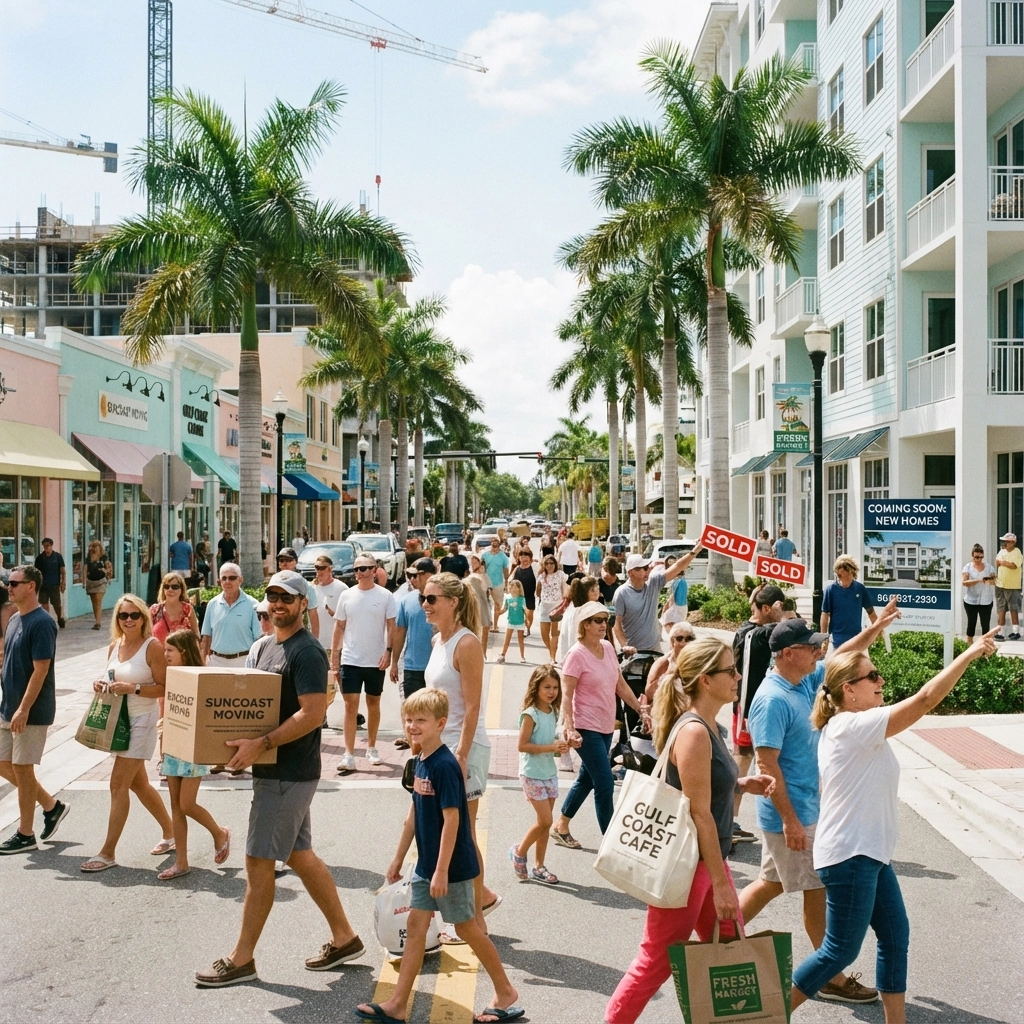
If you're looking for the biggest reset, Fort Myers is where you'll find it. Average prices are near $574,000, which is roughly 6.5% lower than the previous year. That's a repricing that has significantly improved the investment math in many Fort Myers neighborhoods.
Of course, you need to be smart about which neighborhoods you're targeting. Some areas got hit harder than others for good reasons (flood risk, older housing stock, etc.), but there are definitely diamonds in the rough if you know where to look.
9. Rental Demand Is Still Strong (Just Factor in Higher Costs)
The rental market hasn't collapsed despite all the changes. While median rents have come down from their 2023 peaks, they're still well above pre-COVID levels. Quality rental properties are still attracting tenants, especially in desirable areas with good schools and amenities.
The key is making sure your rental income can cover the higher operating costs we're dealing with now. Insurance, maintenance, and management costs have all increased, so your cash flow models need to reflect today's reality, not 2019's numbers.
10. The Best Opportunities Are in "Corrected but Growing" Areas
If I had to point investors toward the best risk-reward opportunities right now, I'd focus on inland pockets of Lee County, certain parts of Cape Coral, North Fort Myers, and specific Fort Myers neighborhoods that have seen meaningful price corrections but still have solid fundamentals.
These areas offer the sweet spot: prices that are off their peaks, reasonable inventory levels, and continued population growth. Just make sure you're conservative with your underwriting, especially when it comes to insurance and flood risk.
The Real Talk Summary
Look, Lee County's investment market isn't what it was in 2019, and it's definitely not what it was during the crazy peak years. But that doesn't mean it's uninvestable. It just means you need to be smarter, more conservative, and more realistic about what returns look like today.
The days of buying anything and watching it appreciate 20% a year are over. But if you're willing to do your homework, buy at genuine discounts, focus on properties with solid fundamentals (newer construction, better elevation, updated systems), and build realistic operating costs into your projections, Southwest Florida can still generate solid returns.
The key is patience and discipline. Don't chase deals that don't make sense just because you're eager to get started. The right opportunities are out there, but they require you to think like an investor, not a speculator.
If you're ready to start looking at investment properties in Lee County, or if you want to discuss specific neighborhoods and strategies, I'd love to help you navigate this changing market. The opportunities are real, but so are the pitfalls – and having someone who knows the local market can make all the difference.