


So, you’ve decided to make the move to the "Waterfront Wonderland." Honestly, I don't blame you. Between the 400 miles of canals, the year-round sunshine, and the fact that you can boat to lunch on a Tuesday, Cape Coral is a pretty special place to call home. But as a broker who lives and breathes this market, I see people making the same mistakes over and over again.
Searching for a home in Southwest Florida isn’t quite like searching for a home in the suburbs of Chicago or the hills of Tennessee. We have our own set of rules, quirks, and "Florida-isms" that can catch an unsuspecting buyer off guard.
If you want to avoid a massive headache (and a lighter wallet), here are the seven biggest mistakes I see buyers making right now and exactly how you can fix them before you sign on the dotted line.
1. Falling for the "Current Property Tax" Mirage
This is probably the most common mistake I see. You’re browsing a listing on SWFL Homes Today, and you see that the current owner is paying $2,500 a year in property taxes. You think, "Perfect! I can budget for that."
The Mistake: Assuming your taxes will be anywhere near the seller’s current bill.
The Fix: Florida has a "Save Our Homes" cap that limits how much an assessed value can increase for a primary resident. If the seller has lived there for 20 years, their assessed value is likely way below market value. The moment you buy that house, the assessment "resets" to the new purchase price.
To fix this, don't look at the current bill. Use a tax estimator or ask one of our realtors in Cape Coral to help you project what the taxes will look like at the new purchase price. If you aren't planning to homestead the property (meaning it’s a second home or a rental), prepare for an even bigger jump since you won’t get that primary residence exemption.
2. Taking HOA Details at Face Value
We have some incredible gated communities in Cape Coral Florida, offering everything from resort-style pools to private boat ramps. However, the listing sheet rarely tells the whole story.
The Mistake: Looking only at the monthly fee and not the health of the association.
The Fix: HOA fees in Cape Coral vary wildly. A $300/month fee might look better than a $600/month fee on paper, but if the $300 community has zero reserves and a 20-year-old roof on the clubhouse, a "special assessment" is coming for your checkbook.
Before you commit, we always recommend reviewing the HOA's budget, their reserve study, and the minutes from the last few board meetings. Are there pending lawsuits? Are they planning to repave the roads next year without enough cash in the bank? Dig deep so you aren't surprised by a $10,000 bill six months after closing.
3. Ignoring the "Flood Zone" Reality
In a city built on water, flood zones are a way of life. But not all flood zones are created equal.
The Mistake: Not verifying the specific flood zone classification or assuming "it won't happen to me."
The Fix: You need to know if the home is in an X zone, an X500 zone, or an AE zone.
- X Zone: Usually means no mandatory flood insurance if you have a mortgage (though we still recommend it!).
- AE Zone: Mandatory flood insurance.
When looking at SWFL waterfront homes, the flood insurance cost can vary based on the elevation of the first living floor. Ask for an Elevation Certificate (EC) immediately. If the seller doesn't have one, get one. It could be the difference between a $1,000 annual premium and a $5,000 one.
4. Underestimating the Cost of a "Florida Roof"
Up north, a roof might last 30 or 40 years. In the Florida sun and salt air? Not a chance.
The Mistake: Thinking a 15-year-old roof is "fine" because it isn't leaking.
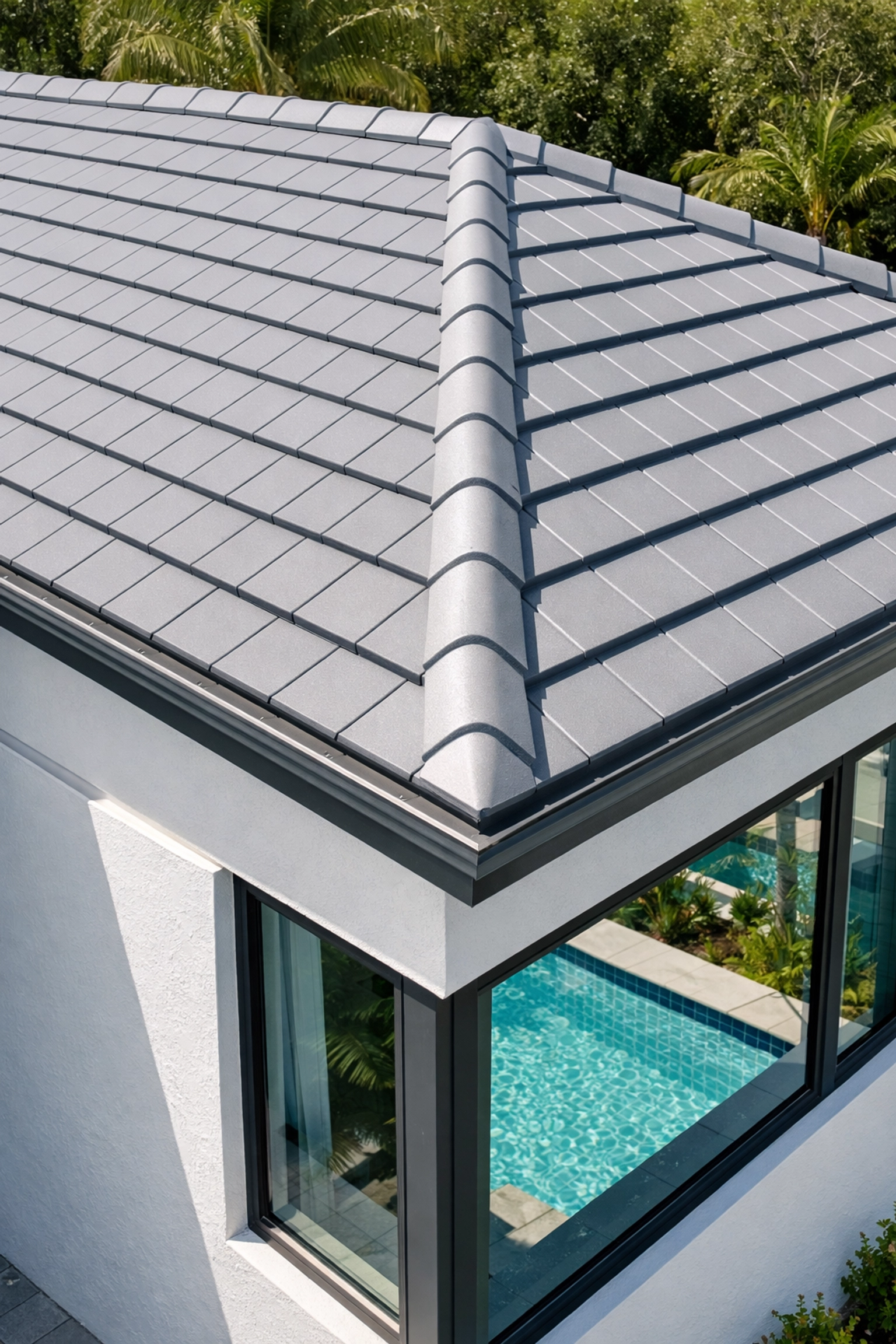
The Fix: Insurance companies in Florida have become incredibly strict. Many will refuse to write a new policy on a home with a shingle roof that is older than 15 years, or a tile roof older than 20-25 years: even if it looks perfect.
When you’re searching, check the age of the roof first. If it's nearing that 15-year mark, you need to budget for a replacement or negotiate it into the deal. Also, pay attention to the "Wind Mitigation" features. Does the roof have hurricane clips or wraps? Are the windows impact-rated? These details will save you thousands on your annual insurance premiums.
5. Getting the Quadrants Confused
Cape Coral is massive. It’s one of the largest cities by landmass in Florida, and it’s divided into four distinct quadrants: SE, SW, NE, and NW.
The Mistake: Choosing a home based on the house alone without understanding the "vibe" of the quadrant.
The Fix: Learn the Cape Coral quadrants before you fall in love with a kitchen.
- Southwest (SW): Often considered the most "premium" area. It has the most waterfront access, the Cape Harbour and Tarpon Point marinas, and generally higher price points.
- Southeast (SE): The "original" Cape Coral. It’s closer to the bridges (fast commute to Fort Myers) and has a more established, "Old Florida" feel with plenty of shopping and dining.
- Northwest (NW): The growth engine. This is where you’ll find newer construction and larger lots, though it’s a further drive to the bridges.
- Northeast (NE): Generally the most affordable quadrant. It's quiet, residential, and offers a lot of value for families, though it has fewer canals than the southern half.
Work with Cape Coral real estate agents who can tell you which quadrant actually matches your lifestyle.
6. Overlooking the "Pipe" Problem
This is a technical one, but it’s a dealbreaker if you miss it.
The Mistake: Not checking for polybutylene or aging cast iron pipes.
The Fix: Homes built between the late 1970s and mid-1990s often used polybutylene piping, which is prone to bursting and is a nightmare to insure. Similarly, older homes in the SE and SW may still have original cast iron sewer lines that are reaching the end of their lifespan.
When you do your home inspection, don't just look at the walls: look under the sinks and ask for a "sewer scope." Replacing a whole-house plumbing system can cost $10,000 to $20,000. It’s better to know that before you buy.
7. Buying the "Future" Instead of the "Present"
Cape Coral is a city in transition. That beautiful empty lot across the street? It might not stay empty for long.
The Mistake: Assuming the vacant land around your home will stay vacant.
The Fix: Check the zoning. Is that lot behind your house zoned residential, or is it "Commercial Professional"? If it's commercial, you might eventually have a gas station or a strip mall as your backyard neighbor.
The city is also undergoing a massive Utility Expansion Project (UEP). You need to know if the home you’re looking at is already on city water and sewer or if it's on a septic/well system. If it’s on a septic system, find out when the city plans to bring utilities to that neighborhood. There are "assessments" (costs) associated with this that can run into the tens of thousands of dollars.
The Bottom Line
Buying a home in Cape Coral is an exciting journey, but it’s one where "local knowledge" isn't just a buzzword: it's a financial shield. From understanding HOA fees in Cape Coral to navigating the complexities of SWFL waterfront homes, there are a lot of moving parts.
The best way to fix all these mistakes at once? Work with a team that lives here, works here, and knows every canal and cul-de-sac.
Summary Checklist for Your Search:
- Project your taxes based on the purchase price, not the seller's bill.
- Verify flood zones and get an elevation certificate.
- Check the roof age and wind mitigation features for insurance savings.
- Research the quadrants to ensure the location fits your commute and lifestyle.
- Investigate the plumbing and the utility expansion status of the neighborhood.
If you’re ready to start your search the right way, head over to http://www.swflhomestoday.com and let’s find you that dream home( without the nightmares.)